
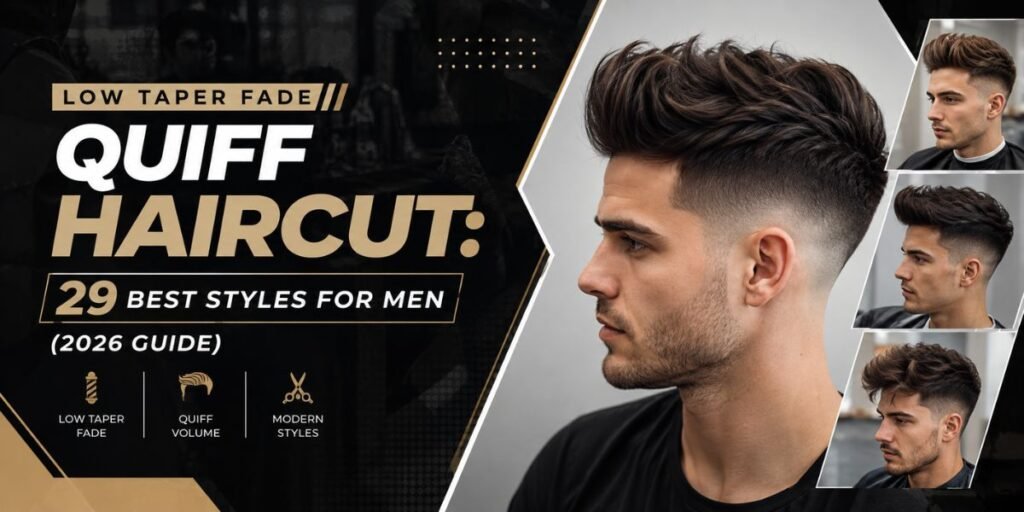
A low taper fade quiff haircut is short on the sides, tight at the neckline, and full of lift on top. It’s the cut guys ask for when they want sharp edges without looking like they tried too hard.
If you’re on the fence about this style, you’re not alone. This guide answers every question you’ve got, from what to say in the chair to how to keep it looking fresh past day three.
What Is a Low Taper Fade Quiff Haircut?
Think of it as two great haircuts fused into one clean package. The sides fade down low near the ear, and the top rolls up into a textured quiff haircut with real height.
It works because it’s flexible. You can wear it messy for the weekend or slick it back for a meeting. That kind of range is rare, and it’s a big reason barbers keep this modern quiff hairstyle in heavy rotation.
What Is a Low Taper Fade?
A low taper fade haircut starts its fade close to the ears and the neckline, not high up on the head. The blend is subtle, so there’s no harsh line where short hair meets longer hair.
This is different from a high or mid fade, which chops down dramatically higher up the skull. A low fade keeps things understated, which is exactly why it pairs so well with a bold quiff fade haircut on top.
What Is a Quiff Haircut?
The quiff hairstyle takes the front section of hair and pushes it up and back, away from the forehead. It’s a cousin of the pompadour, but usually softer and less structured.
You get volume right where your face needs it most, framing your features instead of hiding them. That’s the magic of a good men’s quiff haircut, it does the flattering work without you noticing the effort.
Why Is the Low Taper Fade Quiff Haircut So Popular?
Guys want a cut that photographs well but doesn’t take forty minutes to style every morning. The low taper quiff delivers both, and that combo is hard to find.
It also travels well across ages and settings. A teenager can wear it messy and casual for school. A guy heading into client meetings can smooth the same cut into something sharp and buttoned up.
Barbers love it too, honestly, because the taper fade quiff style shows off real skill. A clean, skin level fade takes technique, and clients notice the difference between a good barber and a great one.
Benefits of This Haircut
Low maintenance is the biggest selling point here, and it’s not even close. Once your barber nails the shape, you’re mostly just brushing product through and pushing hair up.
Face-flattering results come standard with this cut, since the volume on top balances out shorter or rounder faces. It draws the eye upward, which naturally makes your face look a touch longer and more defined.
The style also grows out gracefully, unlike some fades that look rough after two weeks. Because the fade sits low, regrowth blends in rather than creating an awkward, patchy transition zone.
Top 29 Best Low Taper Fade Quiff Haircut Styles
Here’s where things get fun. Below are 29 ways to wear this stylish quiff haircut for men, from classic to bold. Pick a couple that catch your eye and bring photos to your next appointment.
Classic Low Taper Fade Quiff Haircut
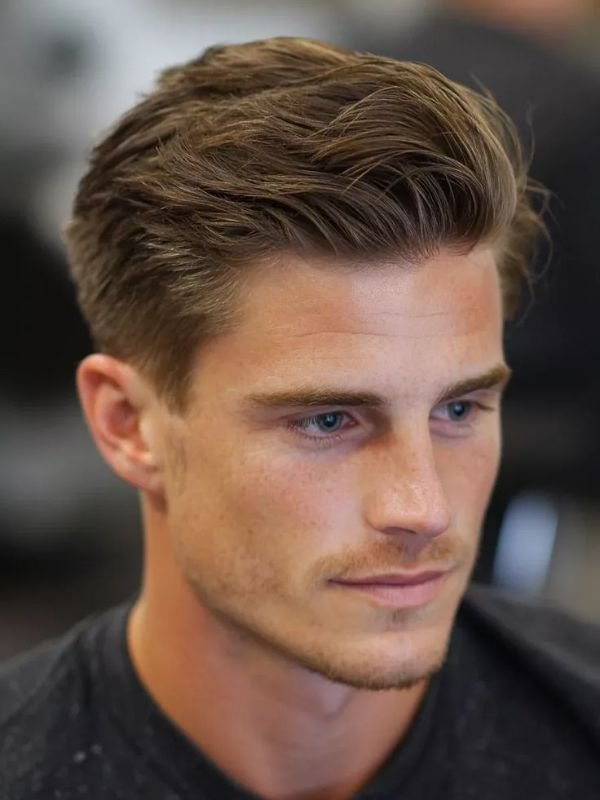
This is the original, the one that started the trend and never really left. Sides are clean, the top has moderate height, and everything is combed back neatly with a light shine.
It’s the safest pick if you’re new to this style and not ready to get experimental. A classic quiff hairstyle like this works in almost any professional setting without raising eyebrows.
Modern Low Taper Fade Quiff Haircut
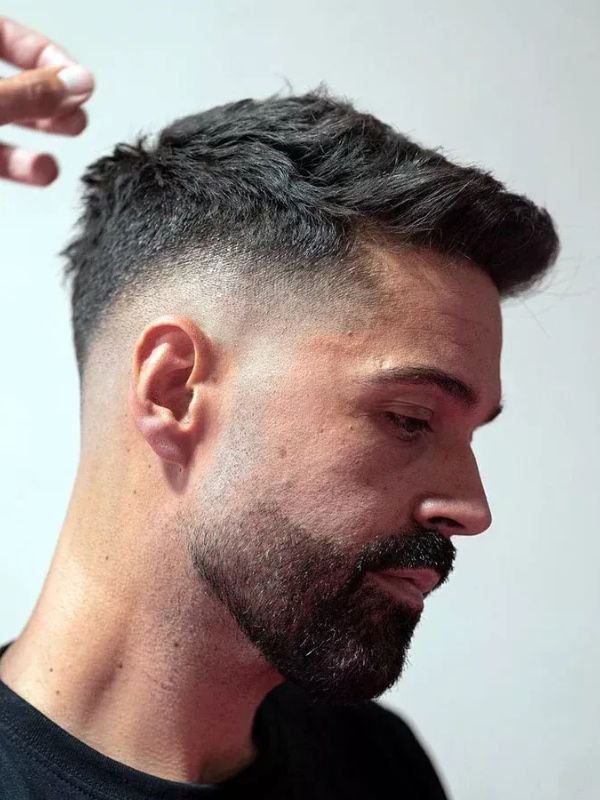
The modern take adds more contrast between the fade and the top, plus a bit more edge overall. Expect a slightly higher lift and maybe a disconnect for extra visual punch.
This version leans into current trends, think sharper lines and a bolder silhouette up top. If the classic feels too tame, this modern quiff with fade splits the difference nicely.
Textured Low Taper Fade Quiff Haircut
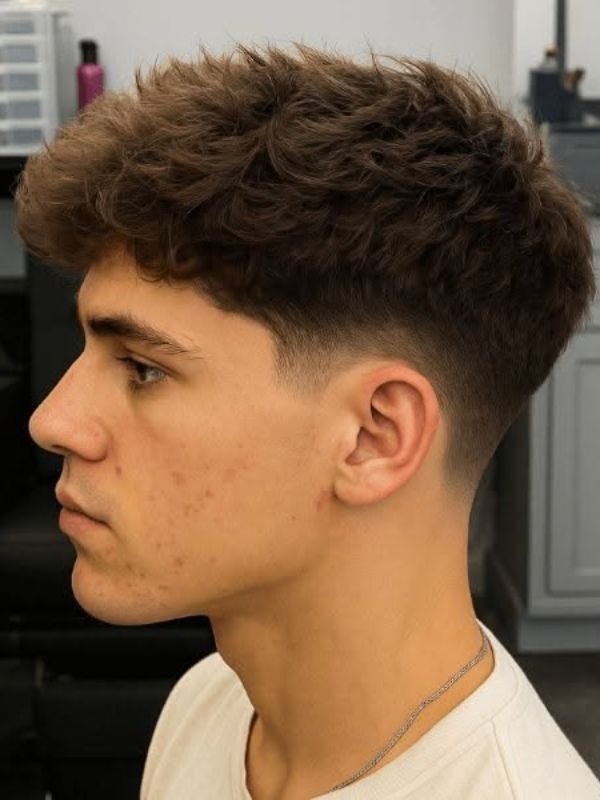
Texture changes everything about how a haircut reads. Instead of smooth and glossy, this version looks lived in. Choppy, piece-y layers on top give it that effortless, just rolled out of bed appeal.
Barbers create this look with point cutting or texturizing shears on the crown section. The result is a textured low taper fade quiff that photographs beautifully in natural light.
Textured Quiff Low Taper Fade
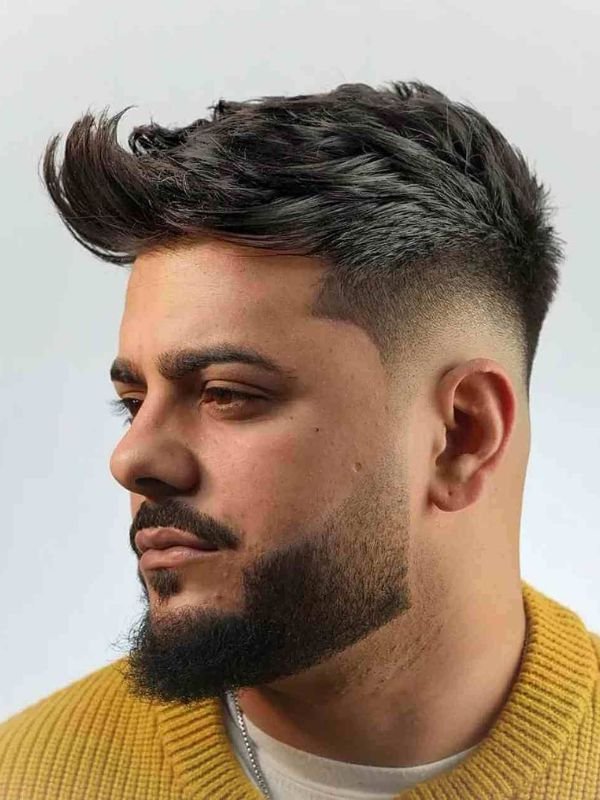
Slightly different from the version above, this style pushes texture through the entire top rather than just the front. Every strand gets some separation, giving the whole crown a fuller, more dimensional look.
Guys with naturally thin hair often request this specifically because texture creates the illusion of density. It’s one of the more forgiving options if your hair doesn’t hold volume on its own.
Messy Low Taper Fade Quiff
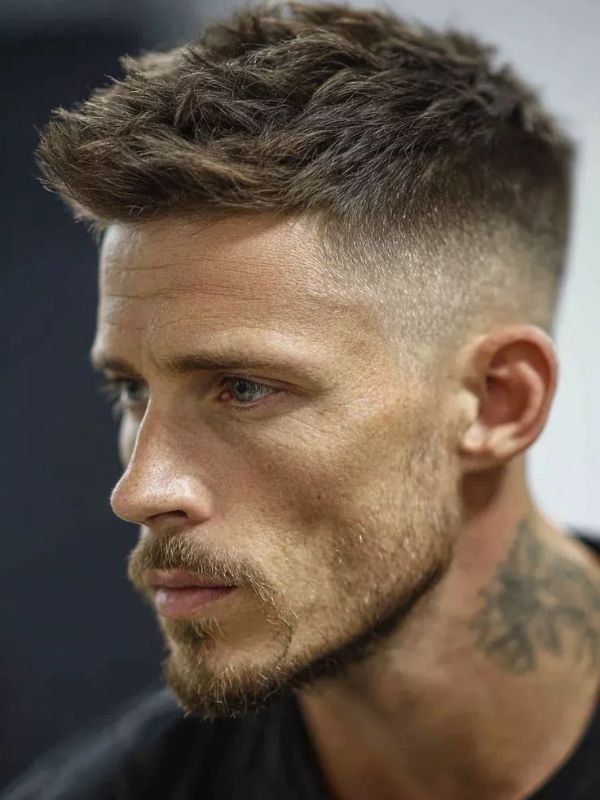
Some days you just don’t want to fuss with a comb, and that’s fine. The messy quiff with taper fade embraces that energy, with fingers doing most of the styling work.
You rake product through damp hair, tousle it up, and let pieces fall where they want. It still looks intentional because the fade underneath stays crisp, doing the heavy lifting visually.
Short Low Taper Fade Quiff
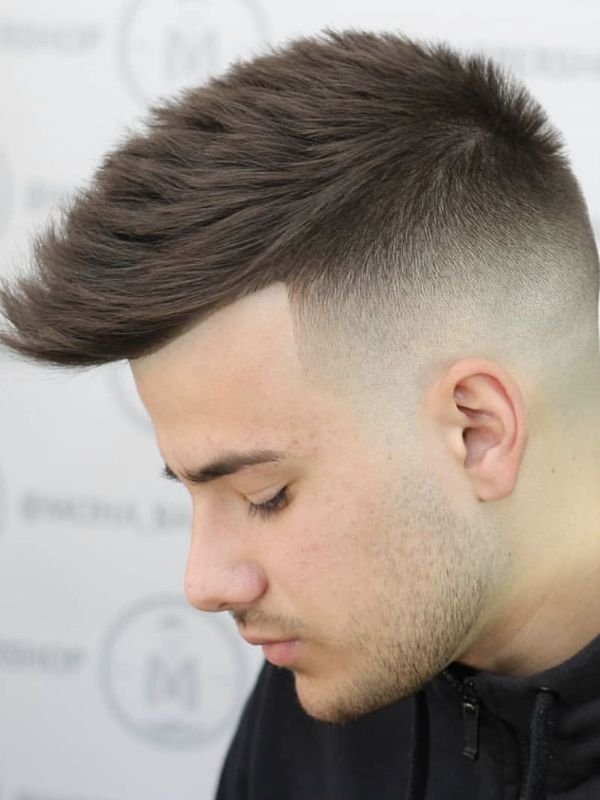
For guys who want low maintenance without losing the quiff shape, shorter length is the answer. Less hair on top means less time styling and fewer bad hair days overall.
The height comes from strategic cutting rather than length, so it still lifts nicely. This short quiff taper fade suits active guys, athletes, or anyone tired of daily blow drying.
Short Quiff with Low Taper Fade
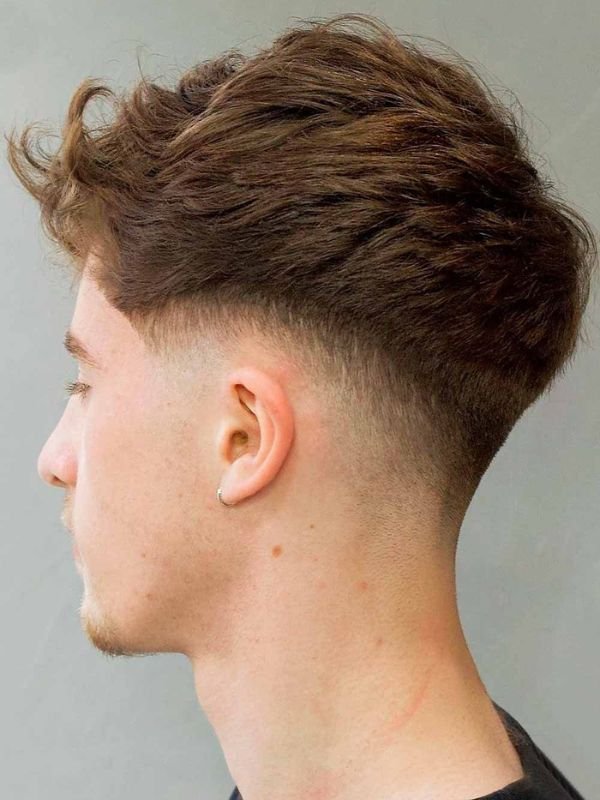
A close cousin to the style above, this one keeps things even tighter around the crown. It’s practically wash and go, with just a dab of matte product for texture and hold.
Perfect for summer or for guys transitioning out of a buzz cut who aren’t ready to grow much length. Sharp, clean, and about as fuss free as this haircut family gets.
Long Low Taper Fade Quiff
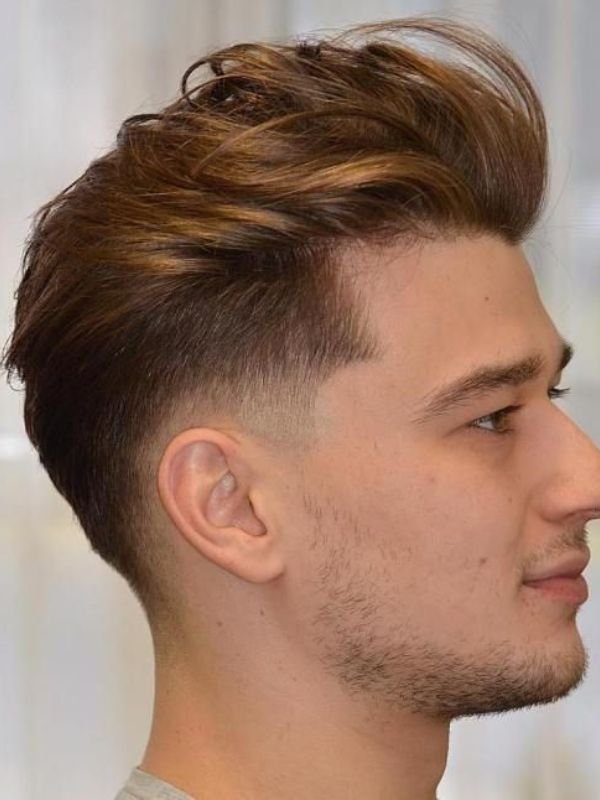
On the flip side, longer hair on top gives you dramatic height and serious styling flexibility. This long quiff low taper fade can be swept straight back or angled off to one side.
You’ll need a stronger hold product to keep length like this standing tall through the day. The payoff is a bolder, more fashion forward look that stands out in a crowd.
Low Taper Fade Quiff for Straight Hair
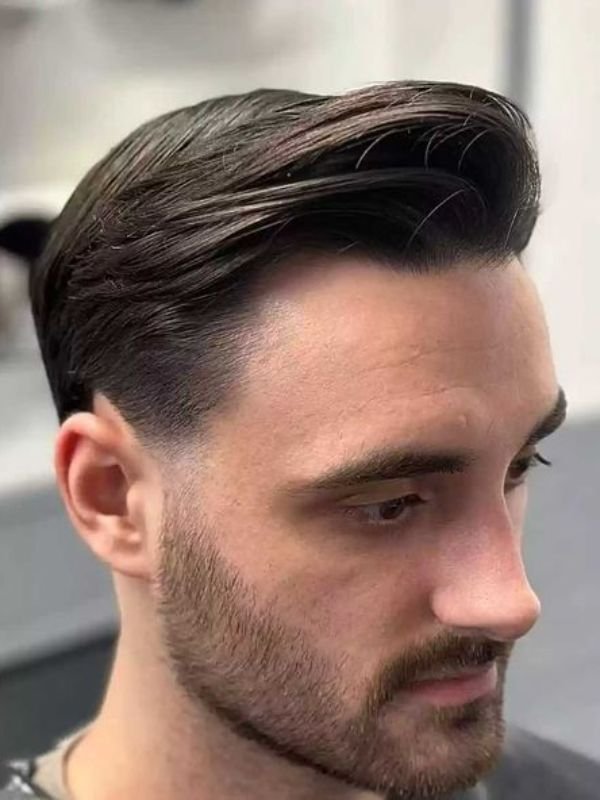
Straight strands take to this cut beautifully because they naturally lie flat and smooth when combed. That makes it easy to create a sleek, polished quiff without much fighting against your hair’s grain.
A little pomade adds shine and keeps flyaways under control throughout the day. This is honestly one of the most low effort combos in the whole low taper fade quiff straight hair category.
Low Taper Fade Quiff for Wavy Hair
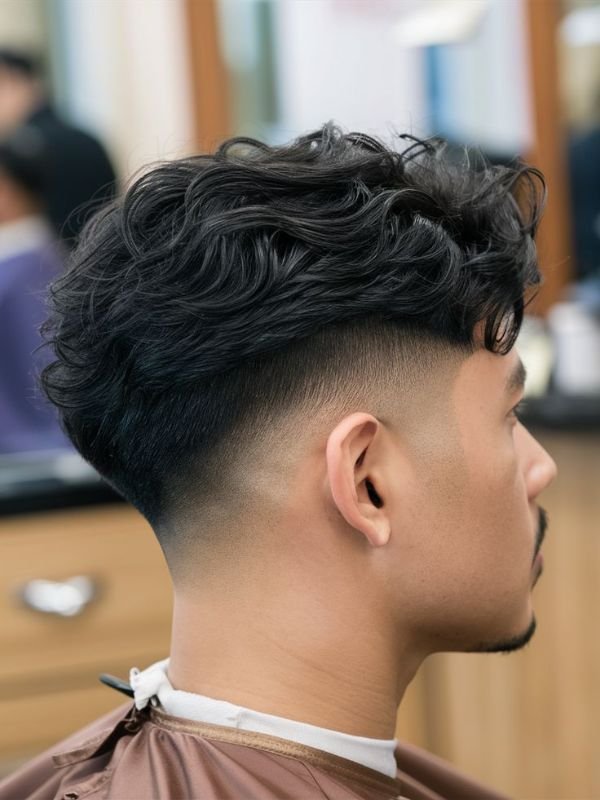
Waves bring natural texture to the table, so you get built in movement without trying. The quiff shape still holds, but with softer, more organic looking waves running through the top.
A sea salt spray or light texturizing cream enhances what your hair is already doing. It’s a great match if you want that effortless, beachy vibe mixed with sharp fade lines.
Low Taper Fade Quiff for Curly Hair
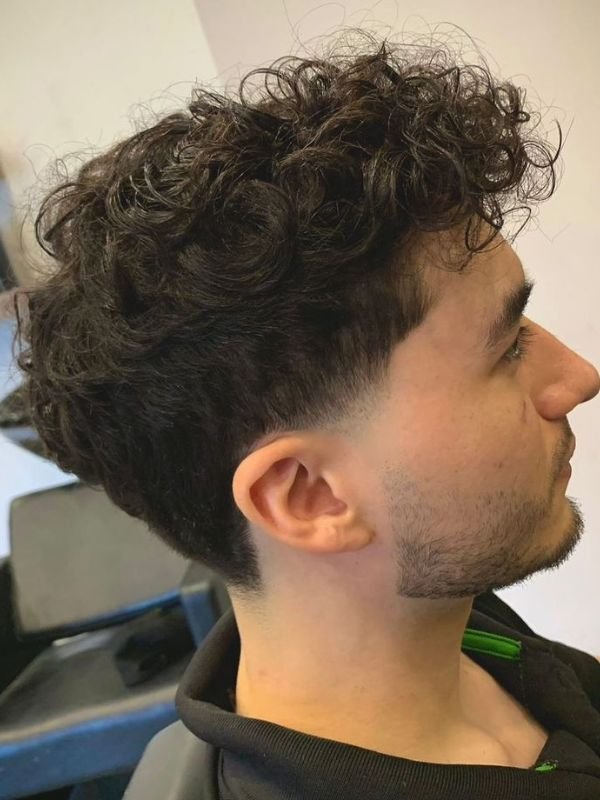
Curls add serious volume, which actually works in your favor for a low taper fade quiff curly hair look. You won’t need much product to create height since the curl pattern does most of that naturally.
A curl defining cream helps keep frizz down while letting individual curls stay visible on top. The contrast between tight curls up top and a smooth low fade below looks genuinely striking.
Thick Hair Low Taper Fade Quiff Haircut
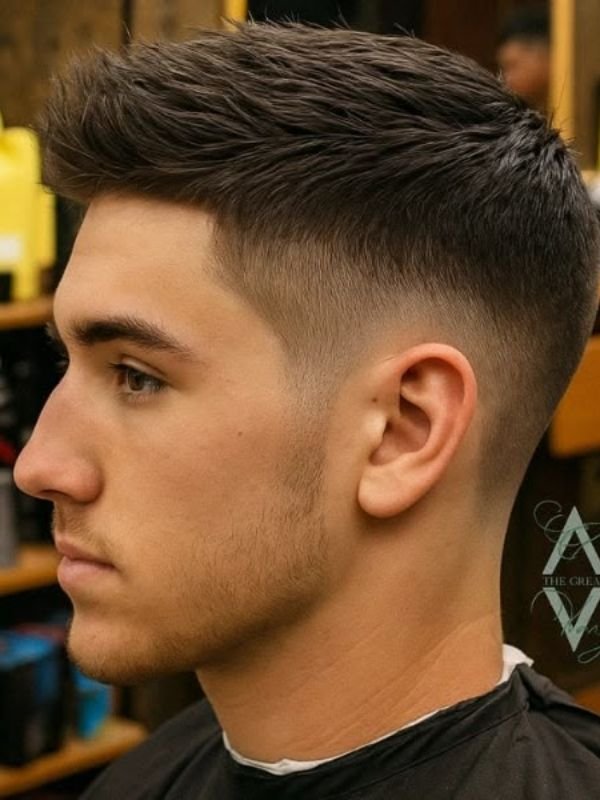
Thick strands hold shape well, so this cut sits tall and dense without collapsing by noon. Your barber may need to thin things out a bit so it doesn’t feel bulky or heavy.
A thick hair quiff style benefits from a matte clay, which controls without adding unwanted shine or weight. This is the hair type that can pull off the most dramatic height without much effort.
Thin Hair Low Taper Fade Quiff
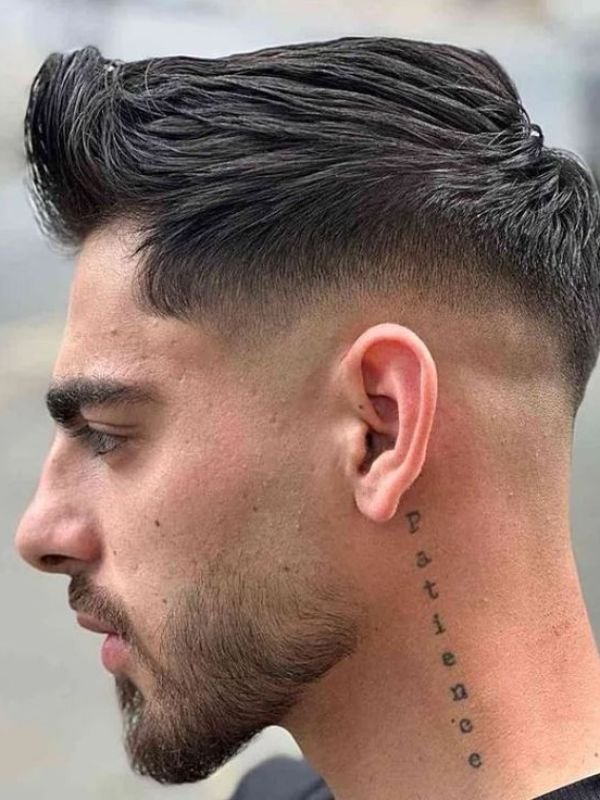
Thinner strands need a bit more help creating the illusion of fullness up top. Texturizing cuts and lightweight volumizing products both go a long way here.
Avoid heavy pomades, which can weigh thin hair down and flatten the whole effect. Instead, blow dry the roots up before applying product for a thin hair quiff haircut with real lift.
Low Taper Fade Quiff with Beard
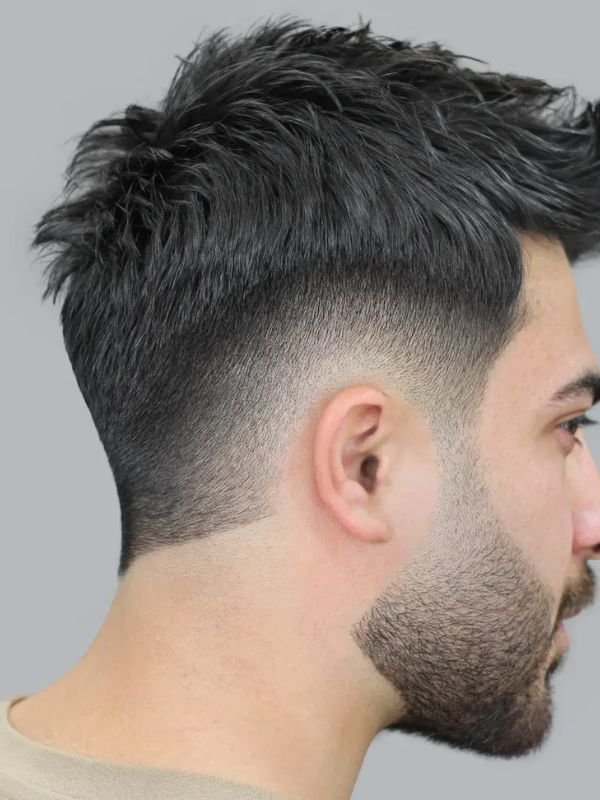
Pairing this cut with a well groomed beard creates a complete, polished package from top to bottom. The low fade often blends right into the beard line, so the whole look flows together seamlessly.
This combo is popular with guys who want a mature, put together image for work or dating profiles. Just keep the beard trimmed regularly so it doesn’t compete visually with the sharp lines up top.
Low Taper Fade Quiff with Line Up
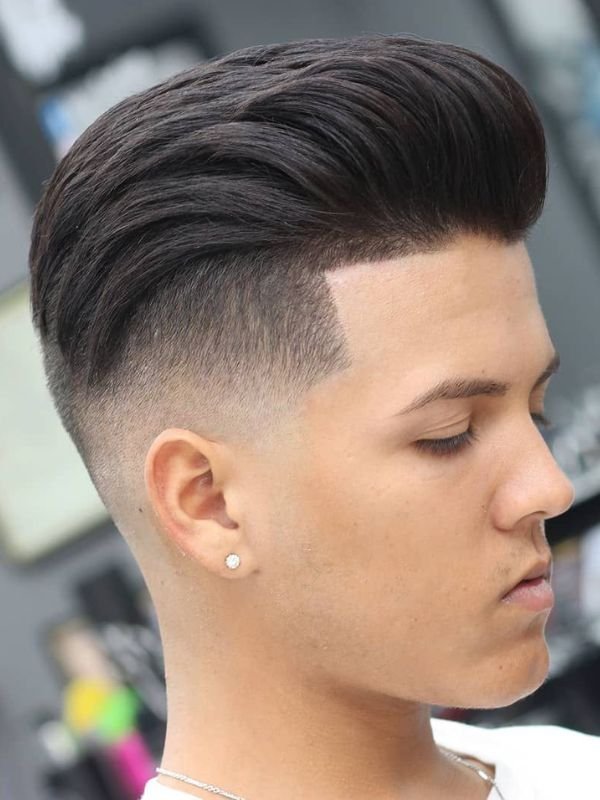
A crisp line up along the hairline and temples adds definition and a fresh, just left the barber feel. It’s especially popular with guys who have coarser or curlier hair textures.
The straight edge contrasts nicely against the soft, rounded shape of the quiff itself. Ask your barber for this detail specifically if you want that extra sharp, finished appearance.
Low Taper Fade Quiff with Hard Part
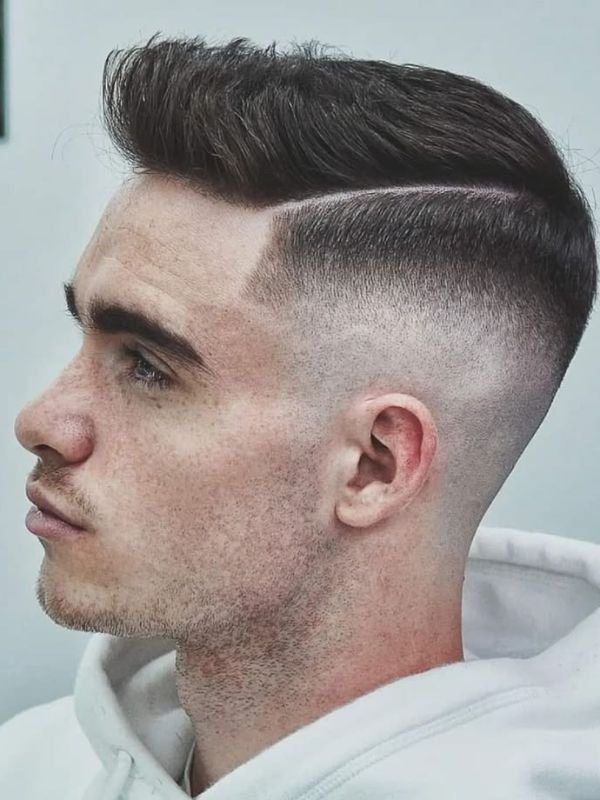
A hard part is a shaved line separating the top section from the fade below. It adds an edgy, graphic element that makes the whole cut feel more custom and deliberate.
This detail works especially well with the modern quiff with fade styles mentioned earlier. Keep in mind it needs touch ups every couple weeks to stay crisp as hair grows.
Blonde Low Taper Fade Quiff Haircut
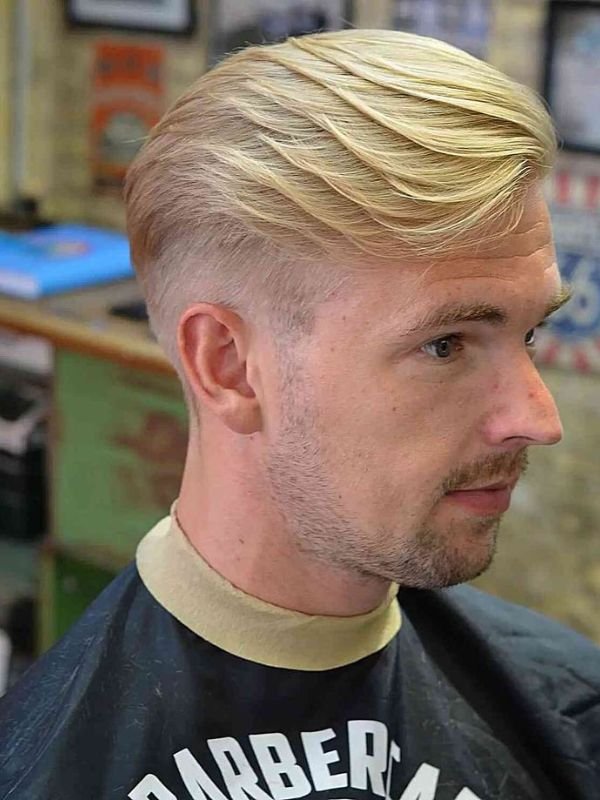
Color can completely change how a haircut reads, and blonde brings serious attention to the top section. Lighter shades highlight texture and movement, making every piece and layer more visible.
This works especially well over a skin taper fade, since the contrast between dark roots and light ends pops. Just budget for regular touch ups, since blonde tends to need more upkeep than your natural shade.
Asian Low Taper Fade Quiff Haircut
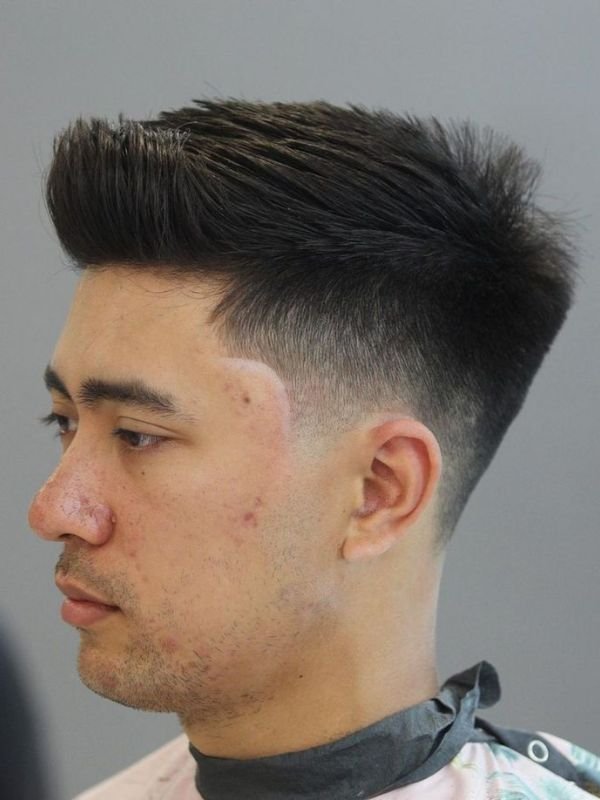
Asian hair tends to be thicker and straighter, which actually suits this style really well structurally. The strands hold a strong, architectural quiff shape without much product needed for support.
Barbers often add subtle texturizing to prevent the top from looking too block like or stiff. The result is a sharp, modern silhouette that’s become hugely popular across Asian barbershops recently.
Layered Low Taper Fade Quiff Haircut
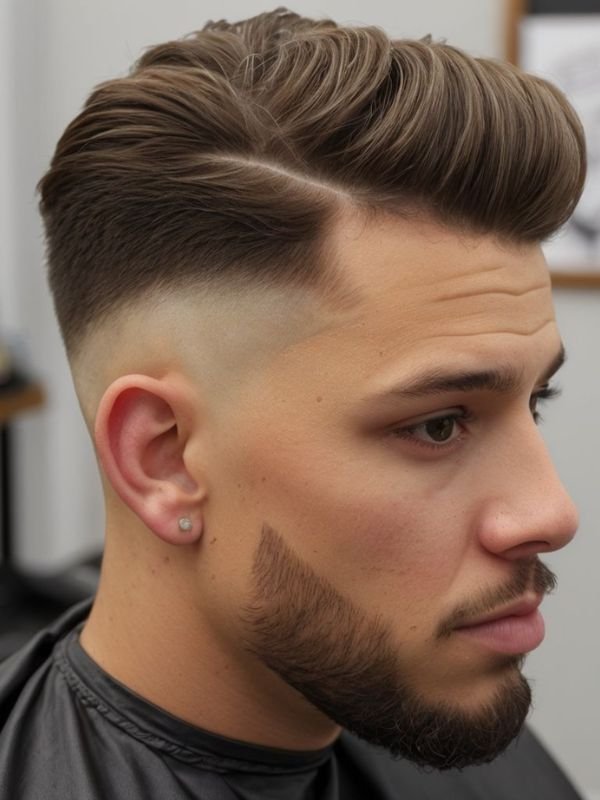
Layering adds dimension by cutting hair at different lengths throughout the top section. It creates natural movement and makes styling easier since the layers already suggest a direction.
This approach suits guys with longer hair on top who want a less blocky, more textured finish. It’s also a smart choice if your hair grows unevenly and needs a bit of shape correction.
Low Taper Fade Quiff with Volume
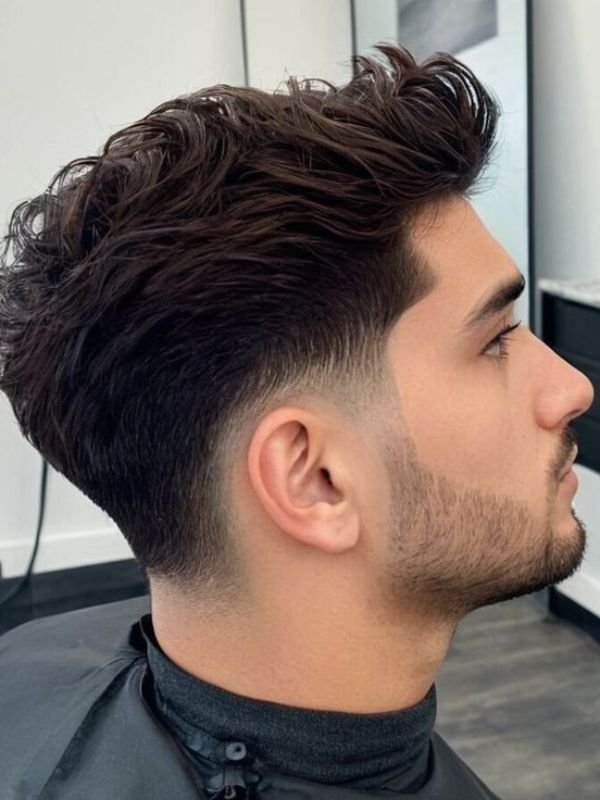
If height is your main goal, this variation focuses everything on maximizing lift at the crown. Blow drying against the direction of growth, then styling upward, builds serious volume before product even goes in.
A strong hold pomade or clay locks that height in place for the whole day. This is the go to pick for guys who want their hair to genuinely turn heads.
Matte Finish Low Taper Fade Quiff Haircut
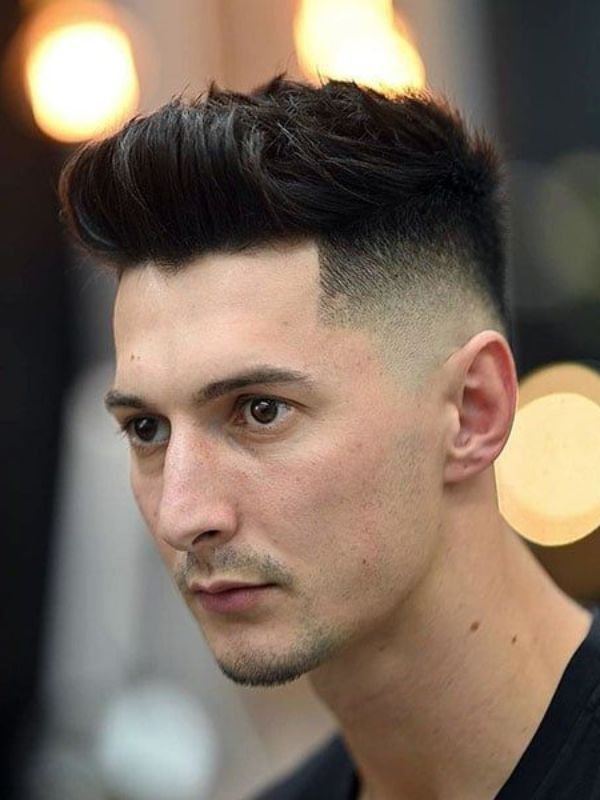
Not every guy wants shine, and that’s exactly what matte finishes are for. Matte clay for quiff styling gives you hold and texture without any glossy sheen at all.
It reads as more natural and modern, closer to how hair looks without product at all. This finish has become the default choice for most barbers working with textured hair today.
Low Taper Fade Quiff with Textured Top
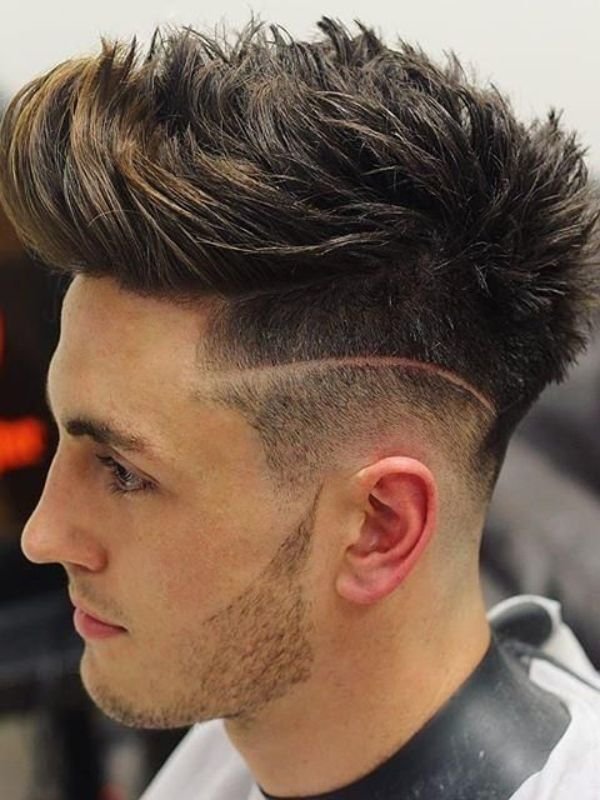
This variation leans hard into piece-y, separated strands rather than one smooth, unified shape. It’s achieved through texturizing scissors combined with a fingers first styling approach rather than a comb.
The look feels more casual and current, ideal for creative industries or laid back workplaces. Pair it with a light texturizing spray for the most natural, undone finish possible.
Professional Low Taper Fade Quiff Haircut
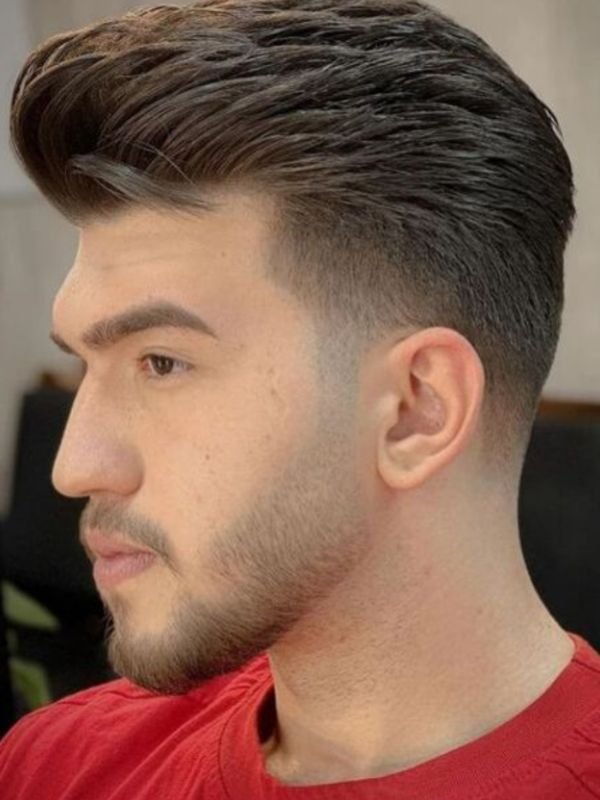
For the office, a more restrained, combed version of this cut reads as polished and put together. Height stays moderate, the sides stay tight, and everything gets smoothed into place with a bit of shine.
This professional quiff haircut works especially well for interviews, client facing roles, or formal events. It proves you can wear a trendy cut without sacrificing a buttoned up, credible appearance.
Low Taper Fade Quiff for Teen Boys
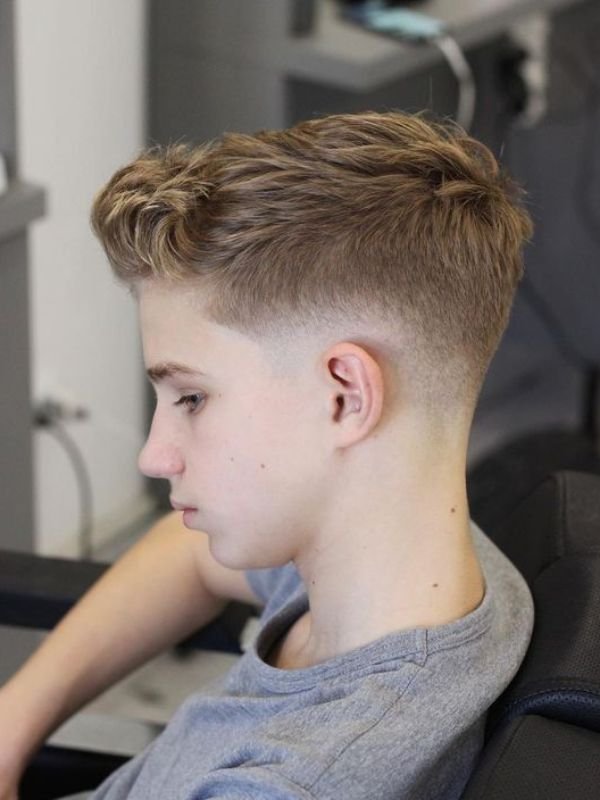
Younger guys often want something trendy but still easy to manage before school every morning. A shorter, lower maintenance version of this cut fits that need perfectly.
Parents like it because the low fade grows out without looking messy between appointments. It’s a great starter style for teens transitioning from a basic trim into something more grown up.
Clean Low Taper Fade Quiff
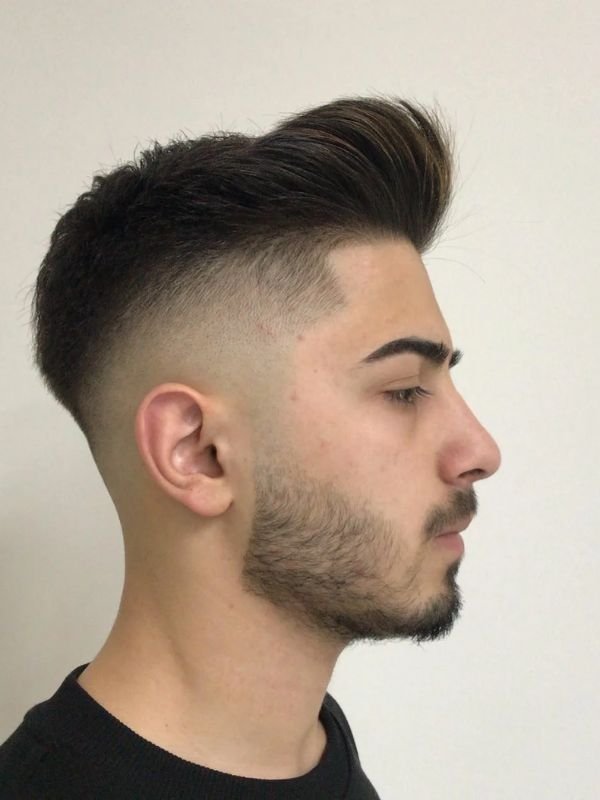
Sometimes simple really is better. This version strips away the extra texture and messiness for pure precision. Every line is sharp, the fade is seamless, and the top sits smooth and controlled.
It’s the haircut equivalent of a well pressed shirt, understated but clearly intentional. Guys who value clean appearance over trendiness tend to gravitate toward this exact style.
High Volume Low Taper Fade Quiff
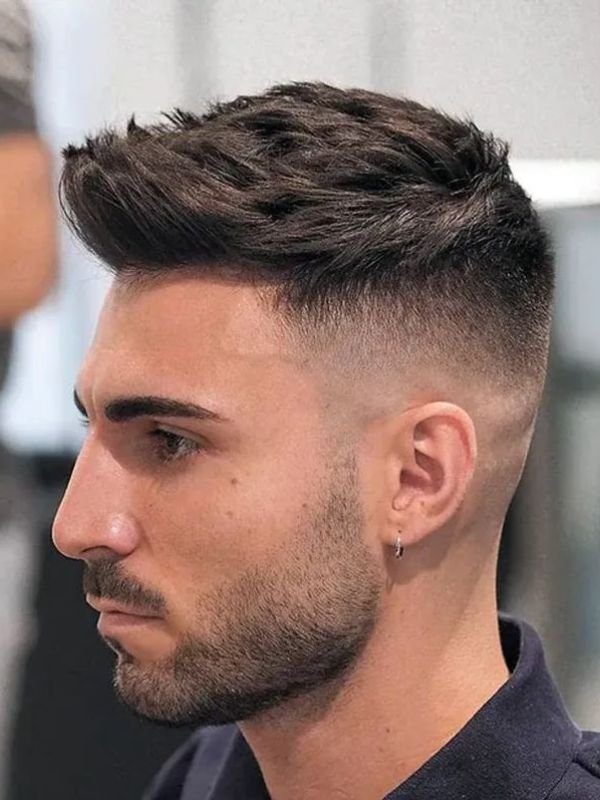
Similar to the volume focused variation above, but pushed even further for maximum drama. This style often needs a blow dryer and round brush combo to build height from the root up.
It suits guys with an outgoing personality who aren’t afraid of a little extra attention. Just know this version usually demands the most daily styling time of anything on this list.
Trending Low Taper Fade Quiff Haircut
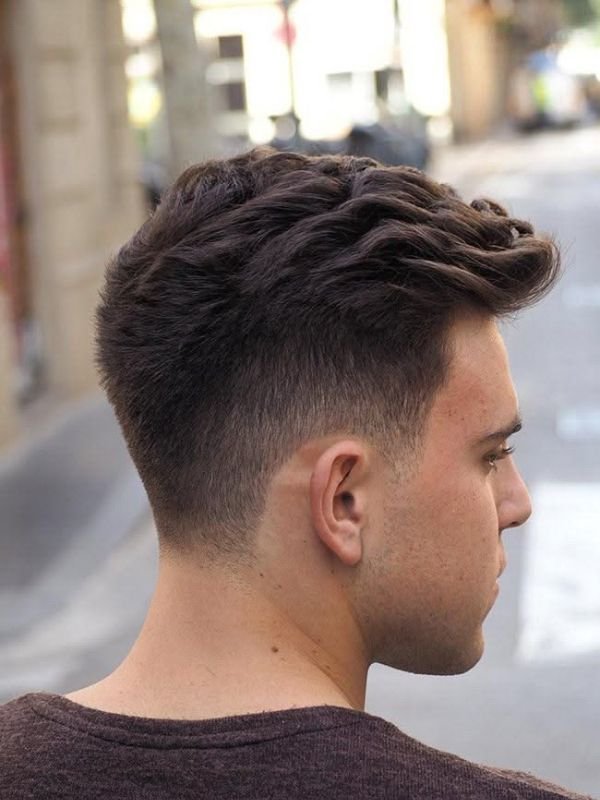
Barbershops are currently leaning into softer, more textured finishes rather than the sleek, glossy quiffs of a few years back. Disconnected fades and slightly asymmetrical tops are showing up more in trendy men’s hairstyles 2026 searches too.
If you want something that feels current, ask your barber what variations they’re seeing most this season. Trends shift, but the underlying structure, low fade plus lifted top, tends to stick around.
How to Ask Your Barber for a Low Taper Fade Quiff Haircut
Walking into a shop without the right words can turn a great idea into a mediocre haircut. Specifics matter here, so don’t just say “quiff” and hope for the best.
Bring a photo if you have one, since visuals communicate way more than verbal descriptions alone. Even experienced barbers appreciate a reference, because “low fade” can mean slightly different things shop to shop.
What to Tell Your Barber
Start with the fade. Say clearly that you want a low fade haircut, not mid or high, and point to your temple as reference. This single detail prevents the most common miscommunication in the chair.
Next, describe the top. Mention how much length you want to keep and how much lift you’re after. Finish by asking for a barber consultation on which texture or finish would suit your hair type best.
Barber Reference Guide
| Detail | What to Say |
| Fade height | “Low, starting near my ear” |
| Sides | “Skin taper fade” or “faded sides and back” |
| Top length | “Leave 3 to 4 inches for a quiff” |
| Finish | “Textured” or “matte, not glossy” |
| Line up | “Yes” or “No, keep it natural” |
Bring this table as a quick cheat sheet if you’re nervous about explaining everything out loud. Barbers appreciate clients who know what they want, and it speeds up the whole appointment too.
Best Face Shapes
This cut isn’t one size fits all, though it does flatter more faces than most other styles. The added height on top is the real secret weapon, since it visually balances proportions.
Round faces benefit the most because vertical volume elongates the face and slims the cheeks visually. Square jaws also look great, since the softer top contrasts nicely against strong, angular features.
Low Taper Fade Quiff for Oval Face
If you’ve got an oval face, honestly, almost anything works, and this cut is no exception. You’ve got the most flexibility of any face shape to experiment with height and texture.
Try a bolder, higher volume version since your proportions can handle the extra drama without looking unbalanced. This is the face shape barbers love working with for exactly this reason.
Best Hair Types
Straight, wavy, curly, thick, or thin, this cut genuinely adapts to nearly every hair type out there. The technique changes slightly, but the core silhouette, low fade plus lifted top, stays consistent.
Curly and wavy hair need less product for volume since natural texture does the work. Straight and fine hair usually need a bit more styling effort to hold that same lift.
Pros and Cons
Every haircut has trade offs, and being honest about them helps you decide if it’s really right for you.
Pros:
- Low maintenance once the shape is established
- Flatters most face shapes and hair types
- Grows out gracefully without awkward stages
- Works for casual and professional settings alike
- Shows off skilled barber fade technique
Cons:
- Needs fade touch ups every 3 to 4 weeks
- Longer top requires daily styling time
- Not ideal if you prefer a completely hands off routine
- Thin hair may need extra product for lift
How to Style a Low Taper Fade Quiff Haircut
Good styling starts before you even reach for product, believe it or not. Towel dry your hair until it’s damp, not soaking, since too much moisture weakens hold.
Work from the roots outward, focusing your effort on lifting the crown section first. The goal is height and direction, not just pushing product through randomly.
Best Styling Products
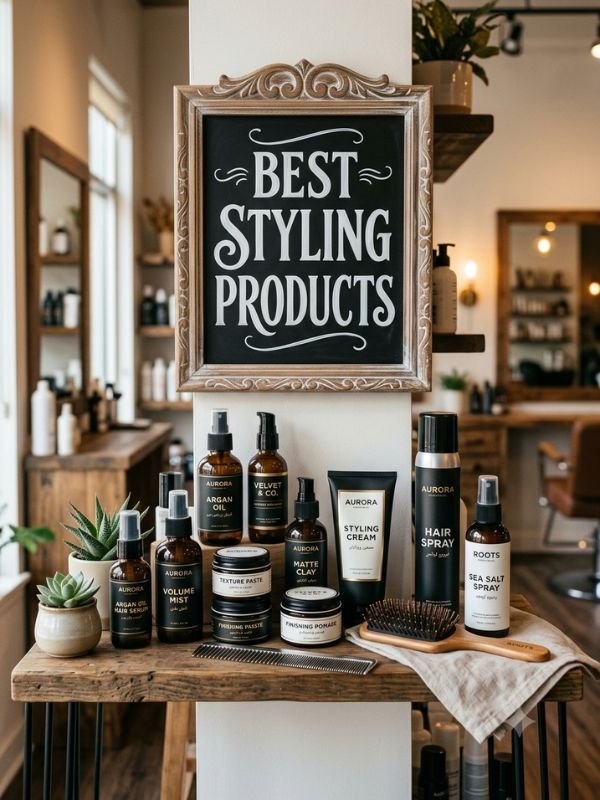
Pomade for quiff hairstyle builds gives you shine and firm hold, great for the classic, combed look. Matte clay works better if you want texture and a more natural, no shine finish.
For fine or thin hair, reach for a lightweight volumizing mousse before you even start blow drying. Heavier creams and pastes suit thicker, coarser hair that needs more control to stay put.
Step-by-Step Styling Guide
- Towel dry hair until damp, then apply a dime sized amount of product
- Blow dry the front section upward using a round brush for lift
- Comb or finger style the top back and slightly to one side
- Add a touch more product to the tips for texture and separation
- Finish with a light hairspray if you need extra hold through a long day
How to Maintain a Low Taper Fade Quiff Haircut
Regular trims keep this cut sharp, so plan for a barber visit every three to four weeks. Skip too many appointments and the fade grows out into a shapeless, overgrown mess.
Wash your hair every other day rather than daily, since overwashing strips natural oils that add texture. A maintenance routine built around light washing and regular product use keeps everything looking fresh.
Trim the top occasionally too, even if you’re growing it out, to prevent split ends from ruining your styling results. Healthy hair simply holds shape better than damaged, brittle strands.
Style Comparisons
Wondering how this cut stacks up against other popular options? Here’s a quick breakdown.
Low Taper Fade Quiff vs Pompadour
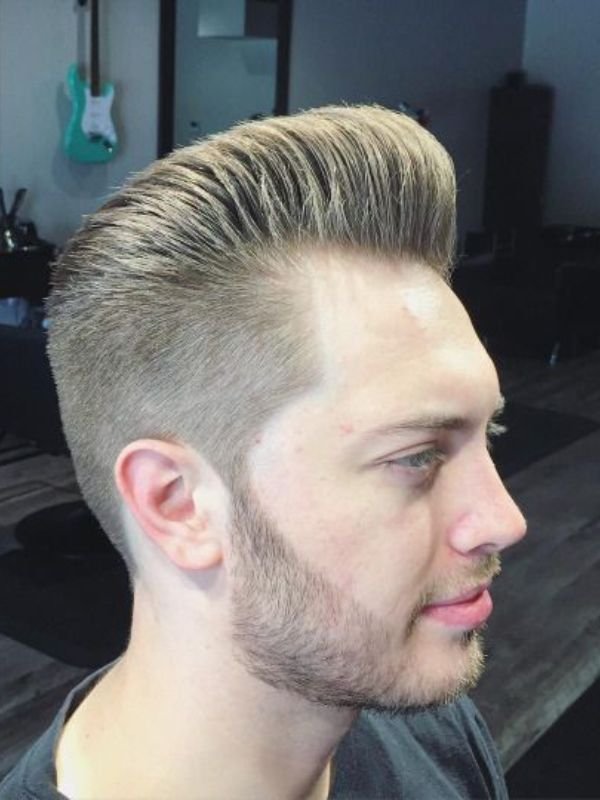
The pompadour usually has more height and a more structured, swept back shape overall. A quiff is generally softer and less rigid, giving it a more relaxed everyday feel.
If you want maximum drama, go pompadour. If you want something wearable daily, the quiff wins.
Low Taper Fade Quiff vs Slick Back
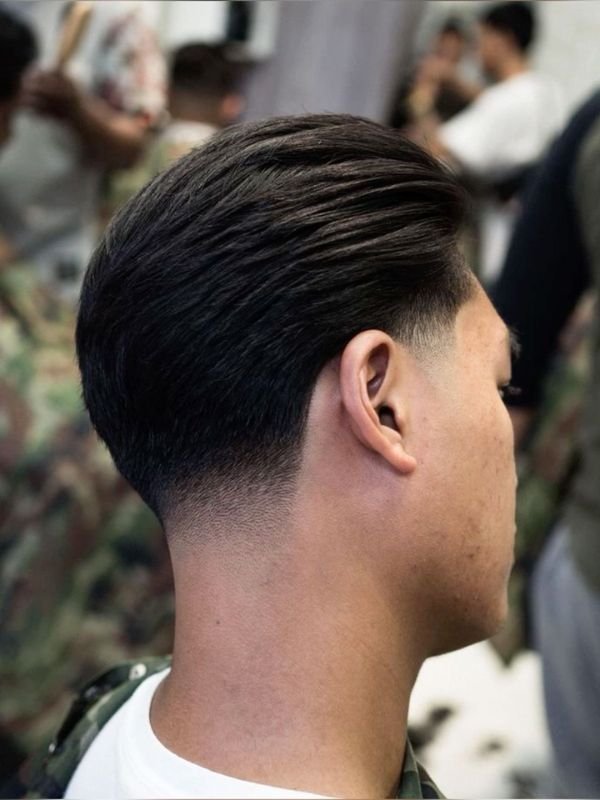
A slick back keeps hair flat against the head with heavy product and zero lift at the front. The quiff, by contrast, is defined by that forward volume and rounded shape up top.
Slick backs suit formal events better, while quiffs offer more everyday versatility.
Low Taper Fade Quiff vs Textured Crop
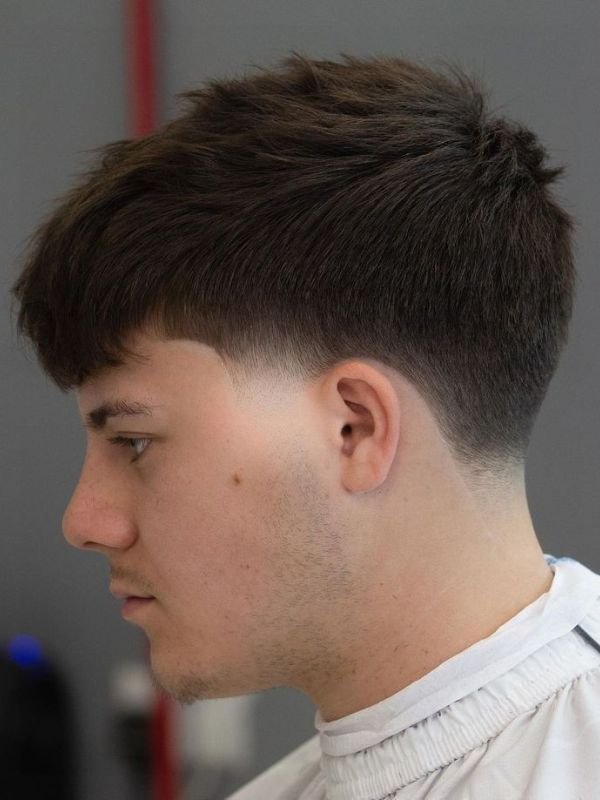
A textured crop keeps length short and choppy across the whole top, without much height at all. The quiff prioritizes lift and shape, while the crop prioritizes low maintenance texture.
Choose a crop if you want zero styling time. Choose a quiff if you like a bit more shape.
Celebrity Inspiration
Plenty of well known style icons have worn versions of this cut over the years, helping push it into the mainstream. Athletes, musicians, and actors alike have sported low fades paired with lifted, textured tops on red carpets and covers.
Search for recent celebrity haircut roundups if you want current, real world inspiration photos. Bringing one of these to your barber gives them a clear, specific target to work toward.
Common Mistakes to Avoid
Skipping the barber consultation is probably the biggest mistake guys make with this cut. Walking in without clear direction often leads to a fade that’s too high or a top that’s too short.
Overusing product is another common slip up, since too much clay or pomade weighs hair down fast. Start small. You can always add more, but you can’t easily undo a greasy, overloaded top.
Waiting too long between trims lets the fade grow out and lose its crisp, blended appearance. Stick to a regular schedule if you want this haircut to actually look its best.
Final Thoughts About the Low Taper Fade Quiff Haircut
This cut earns its popularity honestly. It’s flattering, flexible, and doesn’t demand hours of daily upkeep. Whether you go classic and clean or messy and textured, the low taper fade quiff haircut adapts to your style.
Bring a photo, know your hair type, and communicate clearly with your barber. Do that, and you’ll walk out with a cut that looks sharp on day one and day twenty alike.
FAQ About Low Taper Fade Quiff Haircut
How long does hair need to be for a quiff?
Around 3 to 4 inches on top gives you enough length to build real height and shape.
Does a low taper fade suit round faces?
Yes, the added height elongates round faces and creates better visual balance overall.
How often should I get this haircut trimmed?
Every three to four weeks keeps the fade sharp and prevents an overgrown, shapeless look.
Can curly hair pull off a quiff?
Absolutely, curls add natural volume that makes the top look full without much extra product.
What product works best for a quiff?
Pomade for shine and hold, or matte clay if you prefer a natural, textured finish instead.