

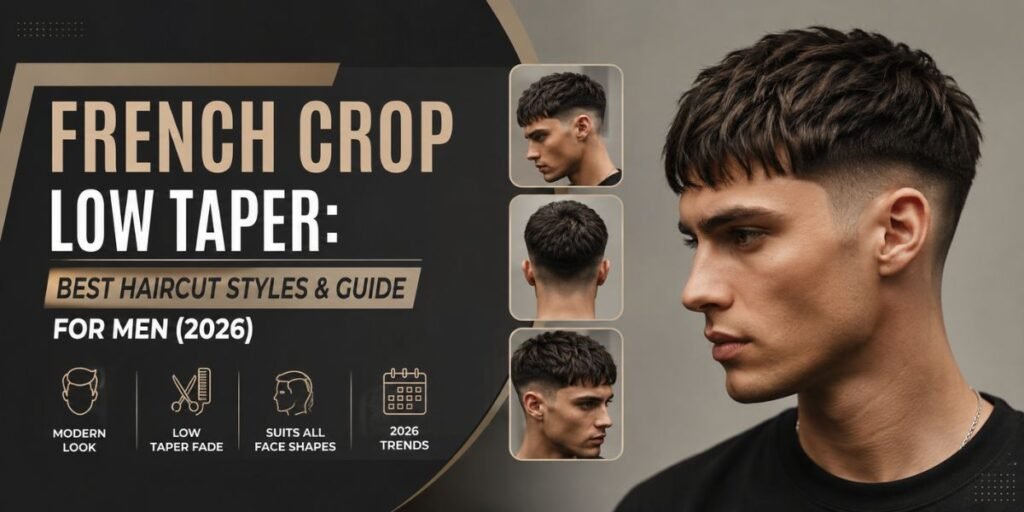
Thinking about a French crop low taper? You’re in the right place. This cut is short, sharp, and it just works. No fuss, no long styling sessions, no bad hair days where nothing sits right.
It’s the kind of haircut that looks put together even when you rolled out of bed five minutes ago. That’s rare for a style this trendy, and it’s exactly why so many guys are switching to it in 2026.
In this guide, you’ll get everything. What the cut actually is, why guys can’t stop asking for it this year, twenty five style variations to try, how to talk to your barber so you don’t leave the chair disappointed, and how to keep it looking fresh at home. Let’s get into it.
What Is a French Crop Low Taper?
A French crop low taper is a short haircut with a textured top and a forward fringe that sits above the forehead. The sides and back get tapered close to the skin, but the fade stays low, right above the ears and along the tapered neckline.
Think of it as two great haircuts fused into one. You get the choppy, textured top of a classic French crop haircut, plus the clean, controlled blend of a low taper fade. The result is sharp on top and neat underneath, without looking too severe or overdone.
What makes it stand out is the balance. It’s not as aggressive as a high fade, and it’s not as shaggy as a full crop with no taper at all. It sits right in that sweet spot most men actually want, sharp but wearable, styled but not high maintenance.
Why the French Crop Low Taper Is Trending in 2026
Guys are tired of high maintenance haircuts. That’s the honest truth. The French crop low taper is trending because it looks intentional without demanding thirty minutes in front of a mirror every morning before work.
It also works with almost any hair texture, which is rare for a single style. Whether your hair is straight, wavy, or curly, this cut adapts to what you’ve naturally got. Barbers love recommending it because it photographs well and grows out gracefully instead of looking messy after two weeks.
There’s also a cultural pull here. Footballers, actors, and streetwear influencers have been rocking versions of the modern French crop across social feeds all year. When a haircut looks sharp on camera and holds up in real life, it sticks around, and that’s exactly what’s happening with this one.
25 Sharp French Crop Low Taper Styles Every Man Should Try
Not every French crop looks the same. Small tweaks to length, texture, or fade style completely change the vibe of the cut. Some lean classic, others lean bold, and a few are built purely for practicality.
Here are twenty five ways to wear a French crop with low taper fade in 2026, whatever your hair type, face shape, or personal style happens to be.
1. Classic French Crop Low Taper
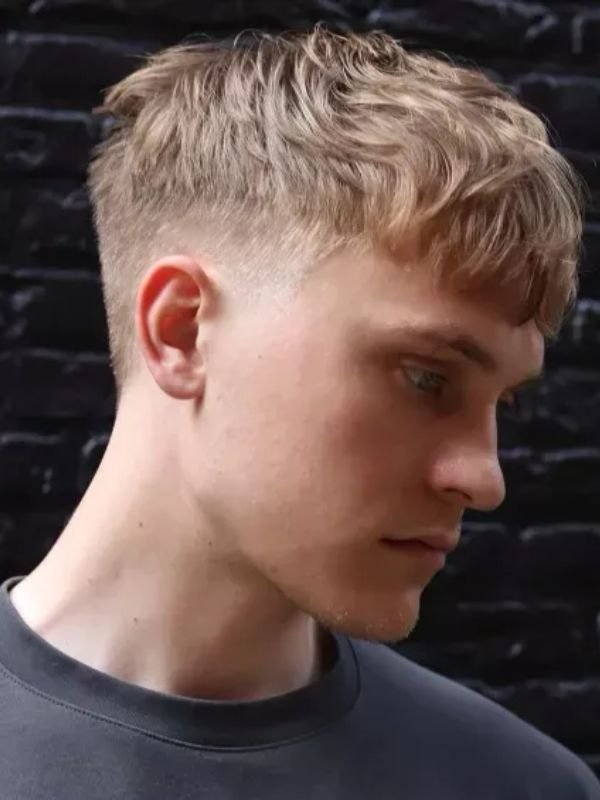
The original. A short textured top, forward fringe, and clean tapered sides. It’s simple, timeless, and it works in almost any setting, from the office to a night out.
2. French Crop Low Taper Fade
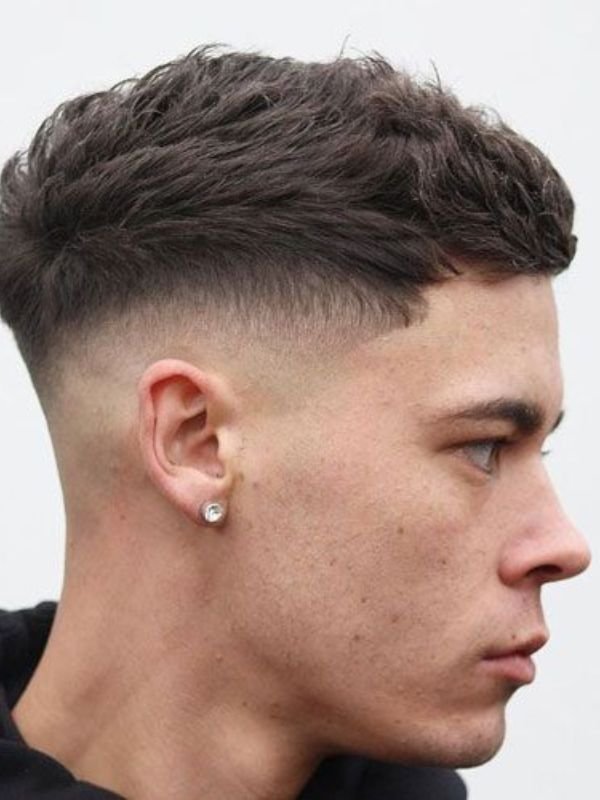
This version blends the taper into a soft fade for extra polish. The transition from top to sides feels seamless, and it reads a little more refined than the classic cut.
3. Textured French Crop Low Taper Fade
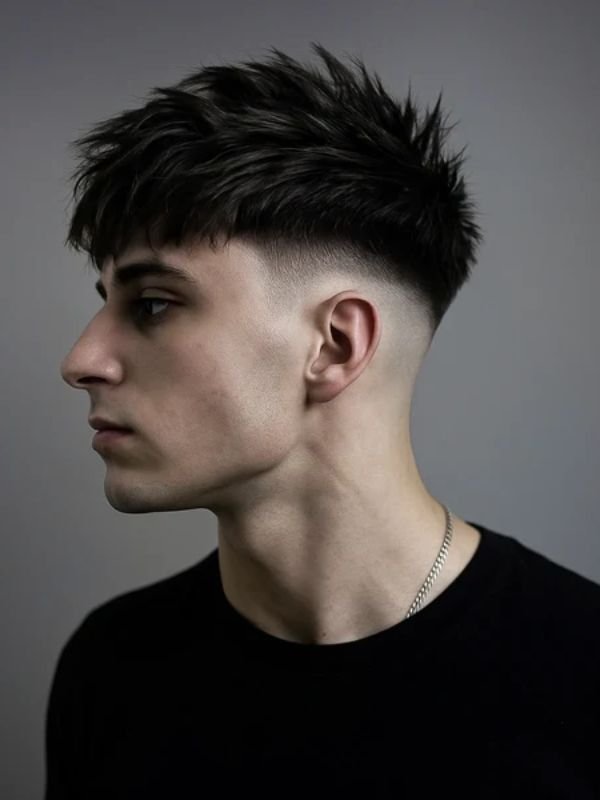
Add texture powder or matte clay to lift the top. It creates volume and definition without looking greasy, and it gives the fringe that lived-in, textured finish barbers love recreating.
4. Messy French Crop Low Taper Fade
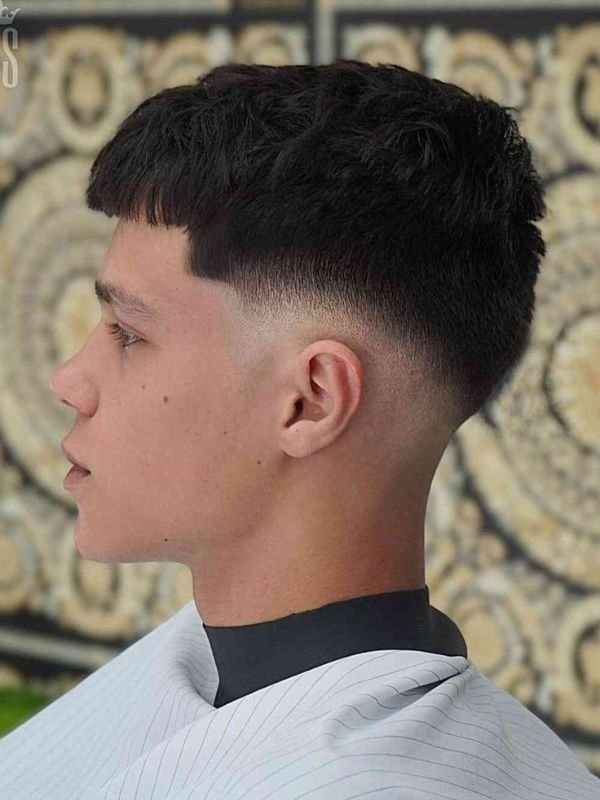
Fingers through damp hair, a little product, done. This one’s built for guys who want effortless over polished, and it hides a bad hair day better than almost any other style.
5. Short French Crop Low Taper
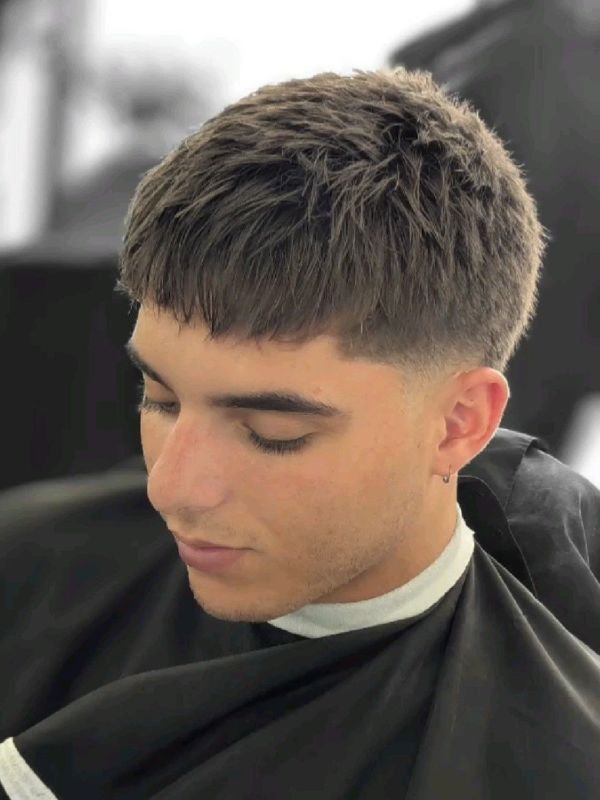
A tighter version with a short textured top and a shorter fringe overall. It’s great for hot climates, active lifestyles, or anyone who wants a genuinely low maintenance haircut.
6. Long French Crop Low Taper
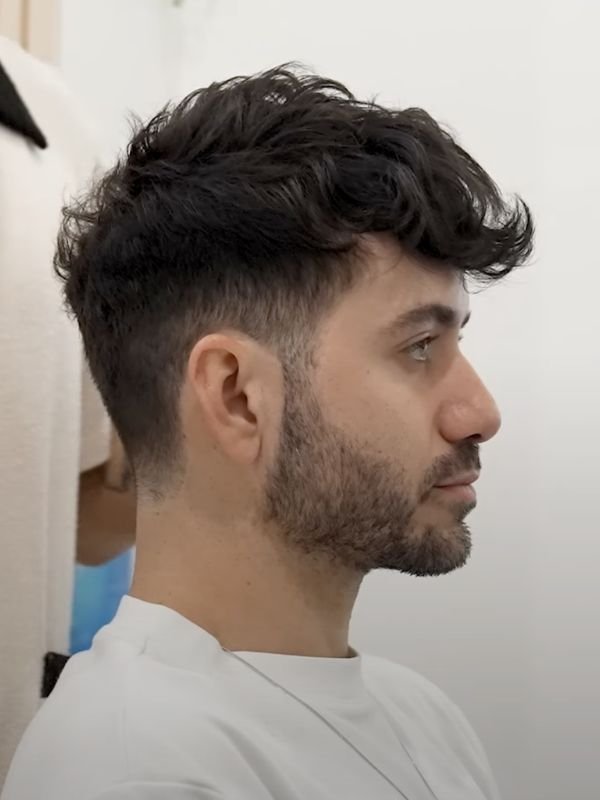
More length on top means more room to play with texture and movement throughout the day. Still tapered clean underneath, it just gives you more styling flexibility up front.
7. Modern French Crop Low Taper
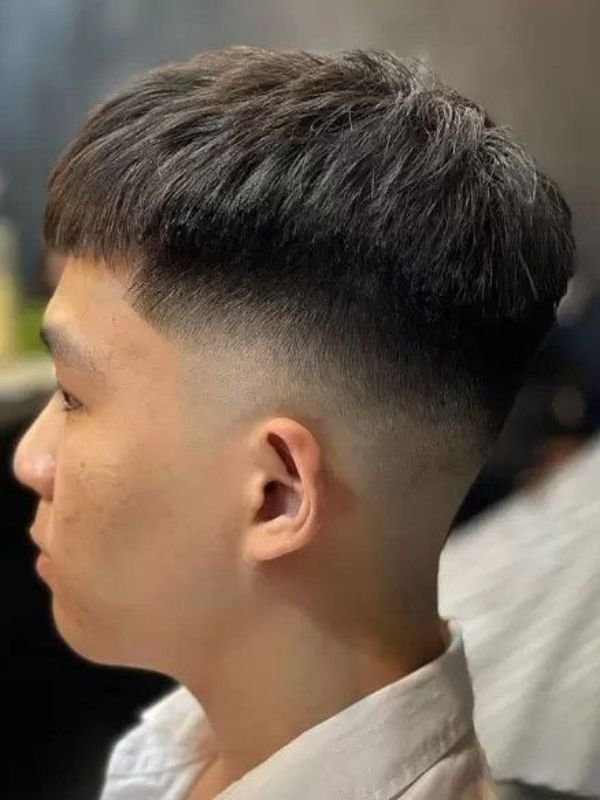
Sharper lines, a crisper fade, a bit more edge overall. This take suits guys who want something contemporary and bold, closer to a modern men’s hairstyle than a traditional one.
8. French Crop Low Taper for Wavy Hair
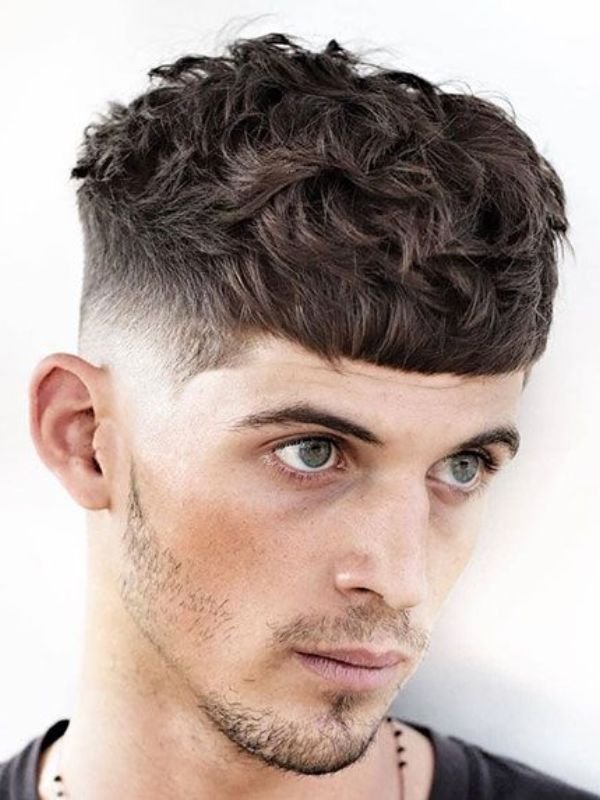
Natural waves add texture that pairs beautifully with a French crop for wavy hair. Minimal product is needed here since the waves already do most of the work.
9. French Crop Low Taper for Straight Hair
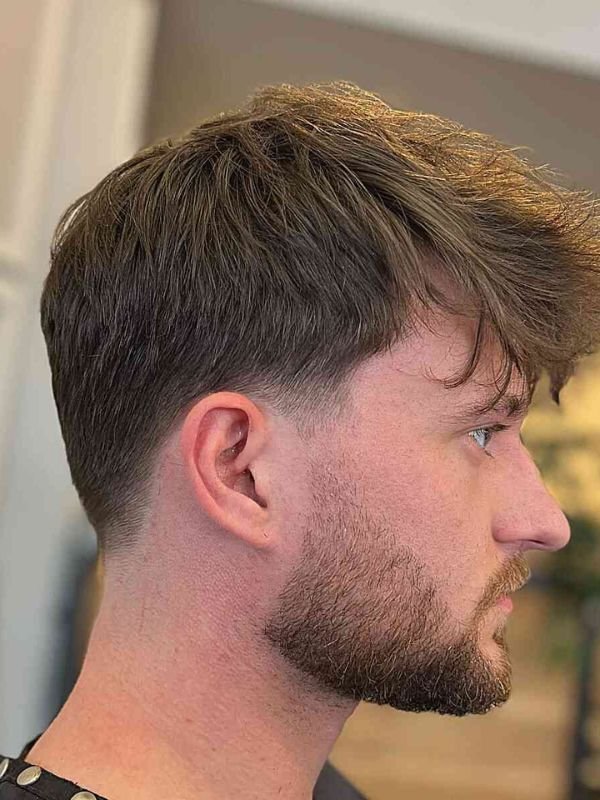
Straight strands give a sleeker, more structured finish overall. A touch of styling paste keeps the fringe in place all day without weighing it down.
10. French Crop Low Taper for Curly Hair
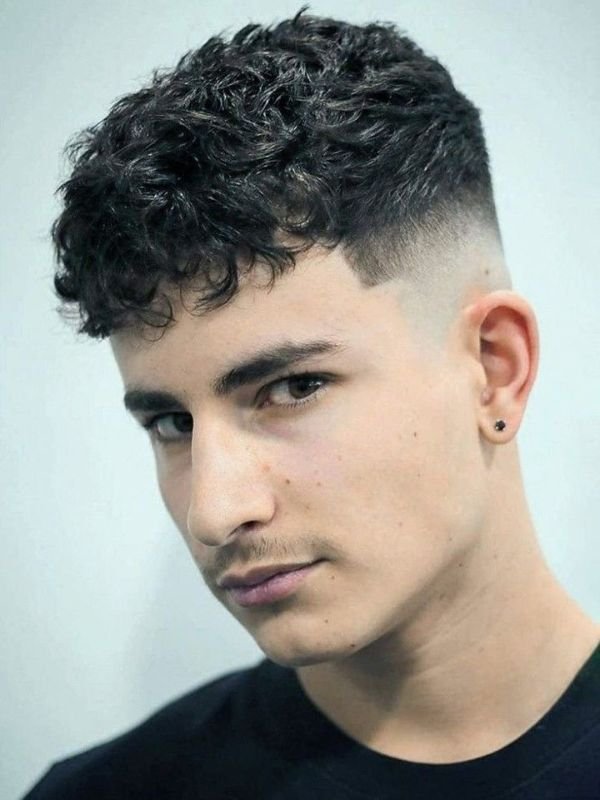
Curls bring built in volume, so a French crop for curly hair often needs less product and more curl cream for definition and shape instead.
11. French Crop Low Taper for Thick Hair
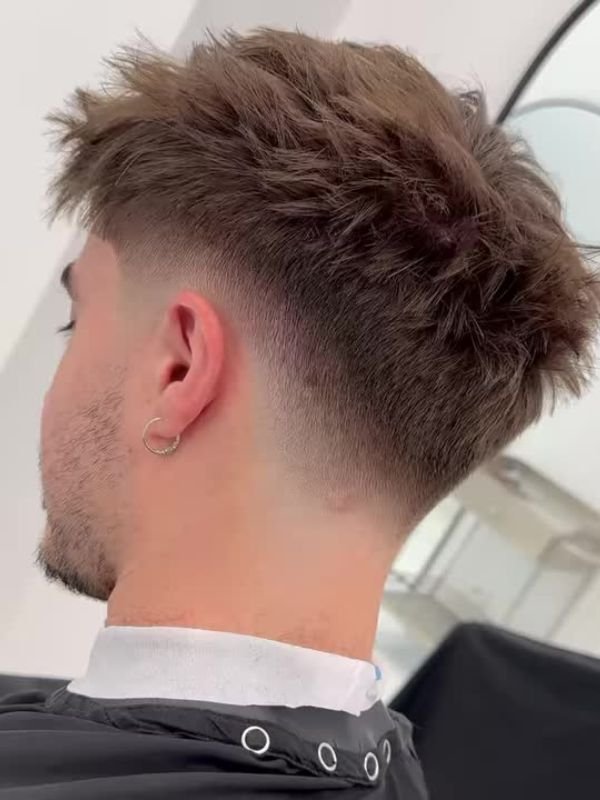
Thicker strands hold shape well, making a French crop for thick hair look fuller and more textured on top with barely any extra styling effort.
12. French Crop Top Low Taper
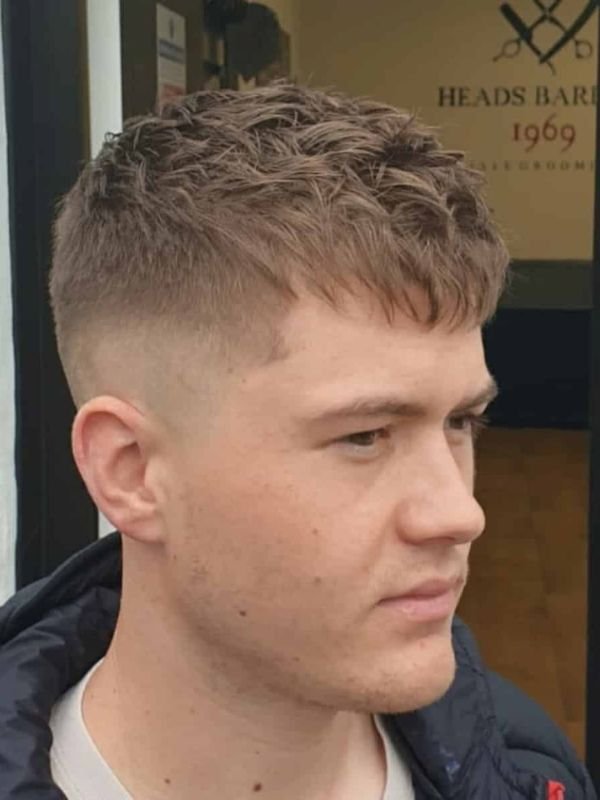
Here the focus stays entirely on the crop itself, with the taper kept subtle and understated on the sides so the top does all the talking.
13. French Crop Low Taper with Textured Fringe
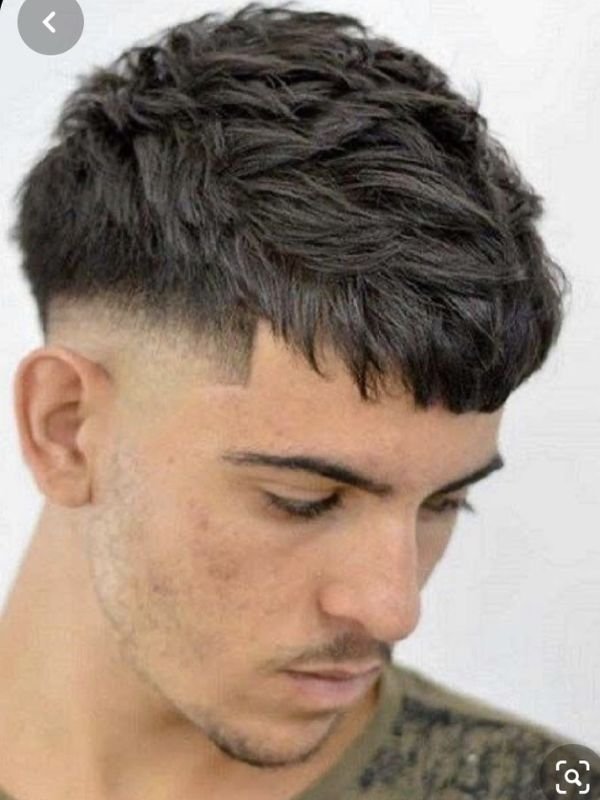
A choppy, uneven textured fringe gives the front a lived-in, effortless look that never feels flat or overly styled, even a day or two after cutting.
14. Low Taper Mullet French Crop
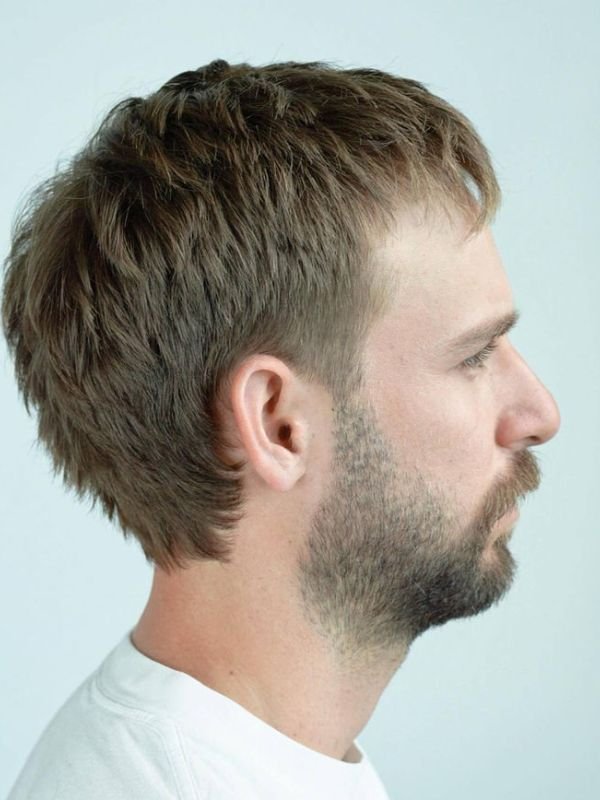
A fun mashup of two eras. Short crop up front, a bit more length left at the back, and it brings a genuinely unexpected edge to the classic French crop.
15. French Crop Low Taper with Beard
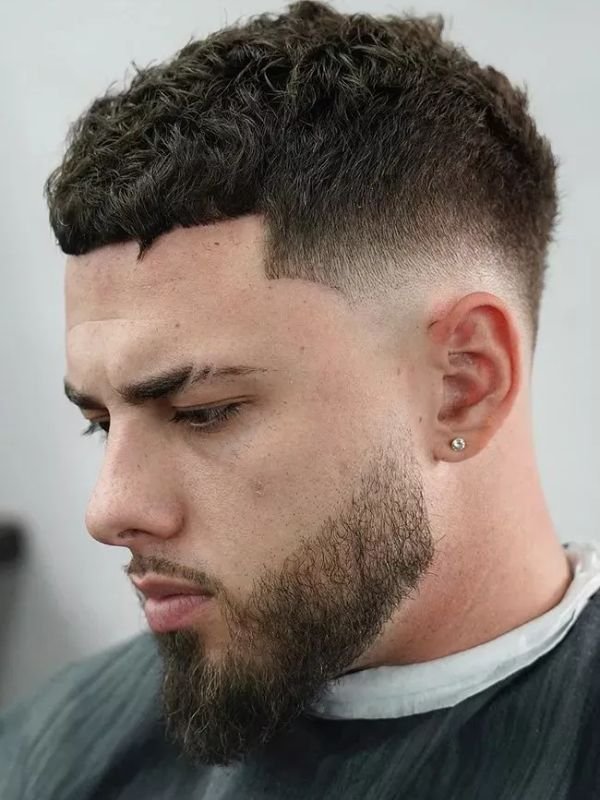
Pair the cut with a well groomed beard for a fuller, sharper overall look. The taper and beard line should meet cleanly for a proper finish.
16. French Crop Low Taper for Round Face
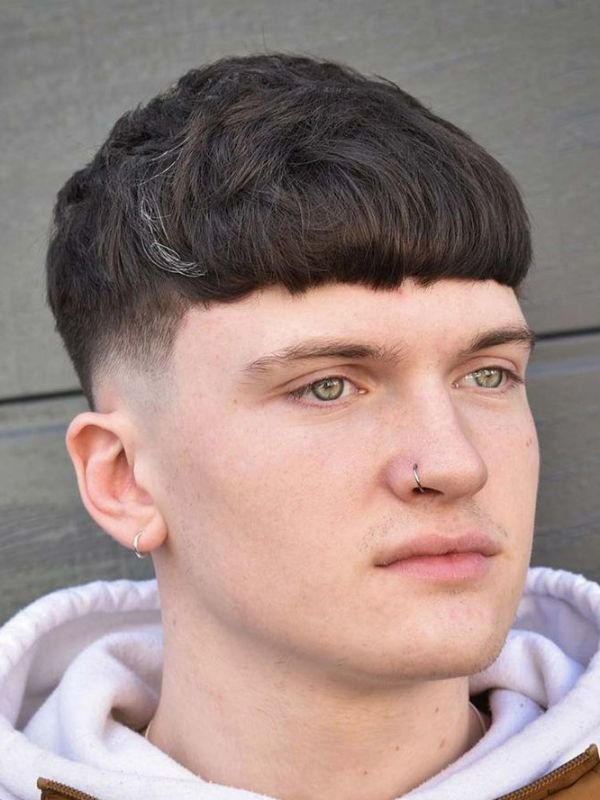
For a round face, keep the top slightly longer and the fringe forward. It adds visual length and breaks up the natural roundness of the face.
17. French Crop Low Taper with Skin Fade
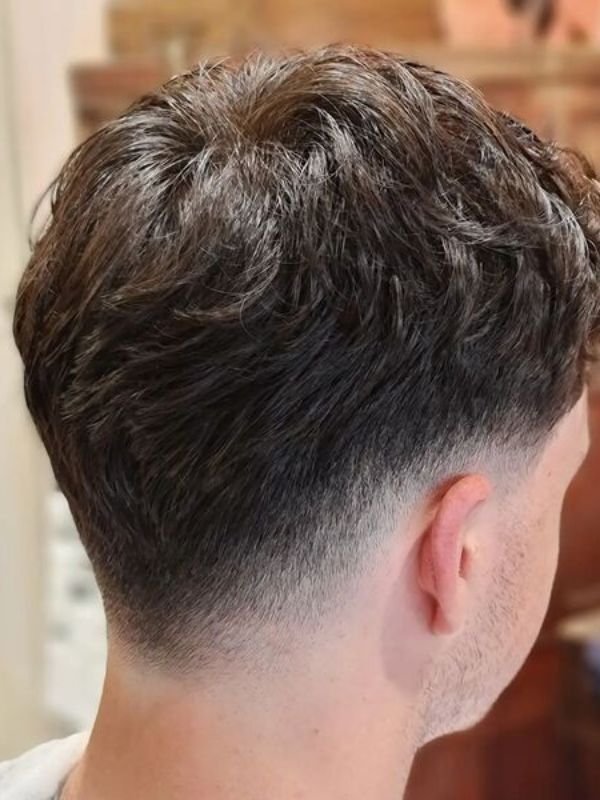
Swap the soft taper for a skin fade underneath if you want sharper contrast between the top and sides. It’s a bolder, more dramatic version.
18. French Crop Low Taper with Line Up
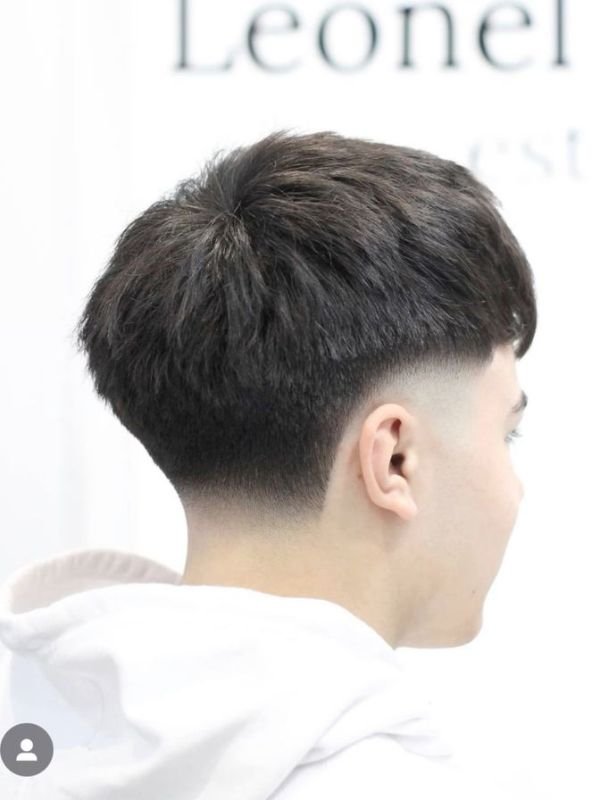
A crisp line up along the hairline sharpens the whole look instantly. It’s a small detail that barbers add, but it makes a genuinely big visual impact.
19. French Crop Low Taper for Receding Hairline
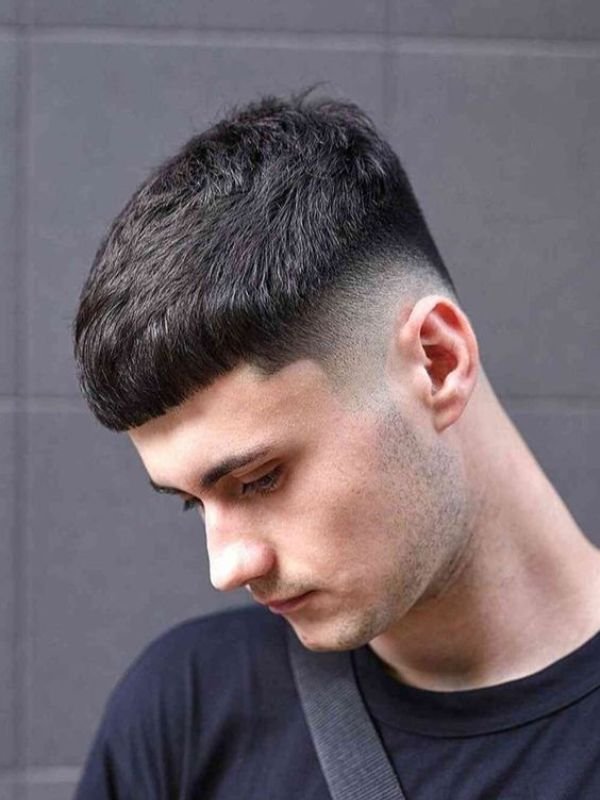
A shorter fringe and textured layers can soften a receding hairline while keeping the crop’s signature shape and structure fully intact.
20. French Crop Low Taper with Hair Design
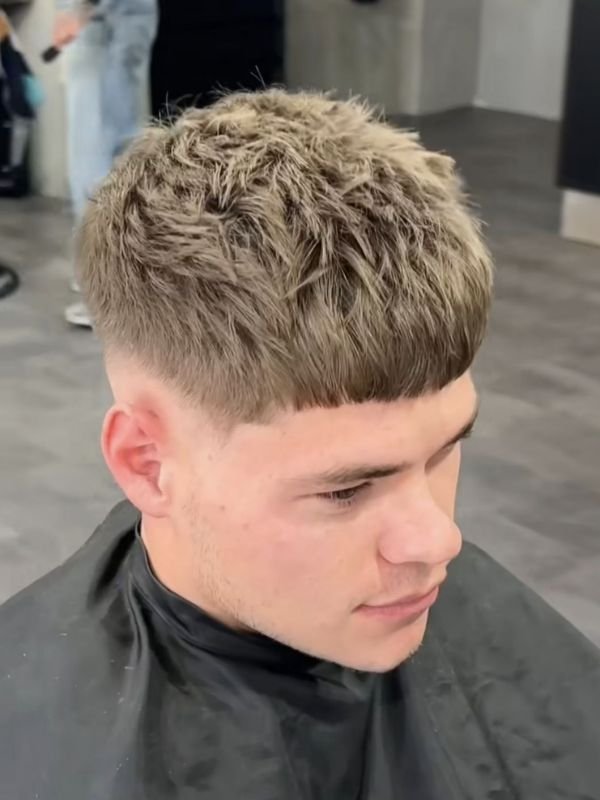
Add a shaved line or a small pattern into the taper for a personalized, standout finish that separates your cut from everyone else’s.
21. French Crop Low Taper Drop Fade
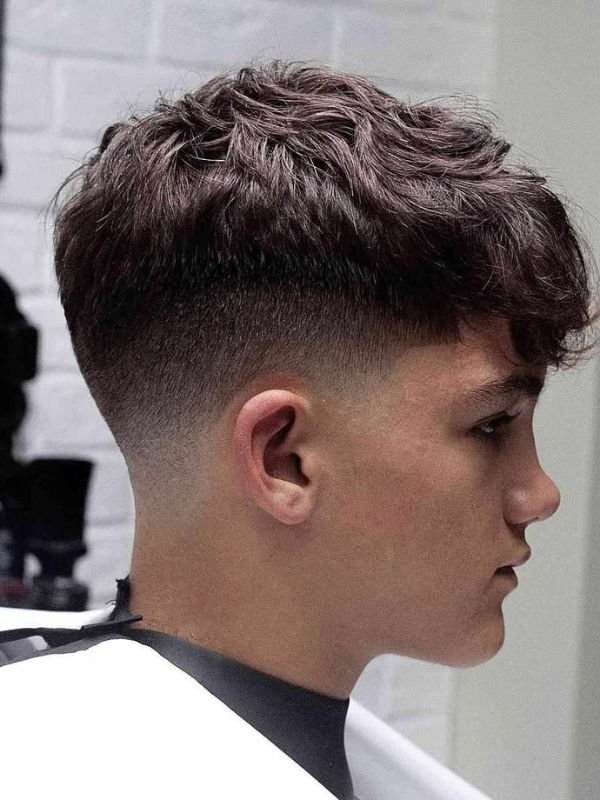
The fade curves down behind the ear instead of staying straight across. It rounds off the whole silhouette and softens the transition nicely.
22. French Crop Low Taper Burst Fade
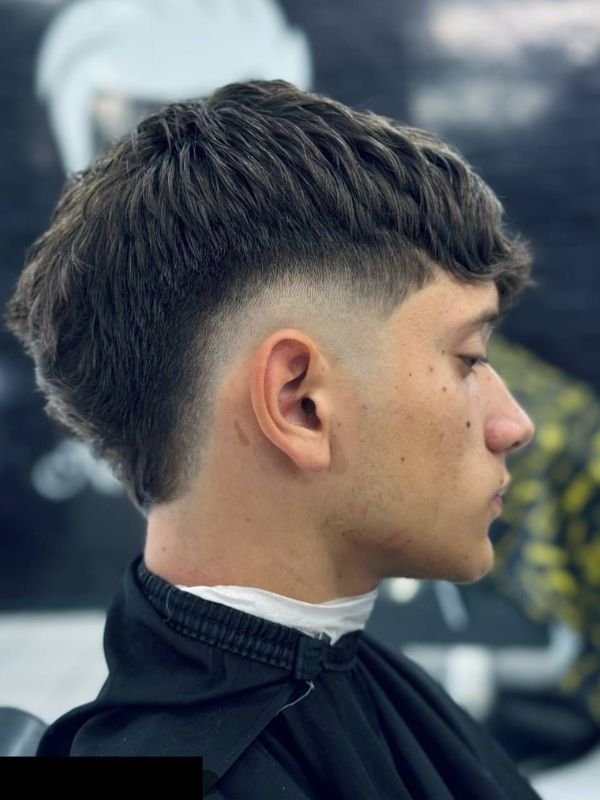
The taper bursts around the ear only, leaving more length at the back overall. It’s great for guys who want subtlety over a full aggressive fade.
23. French Crop Low Taper Blonde
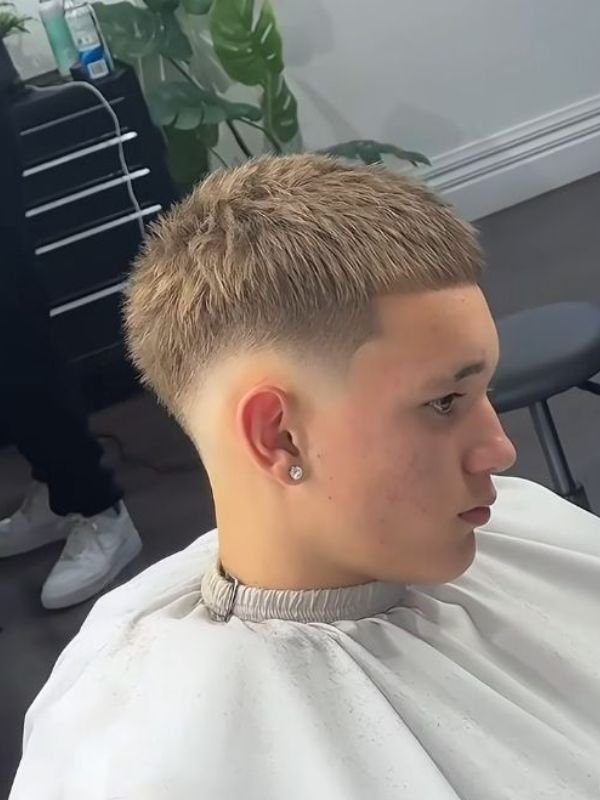
A lightened top adds contrast against the darker, tapered sides underneath. It’s bold, but genuinely easy to pull off with the right skin tone.
24. French Crop Low Taper for Asian Hair
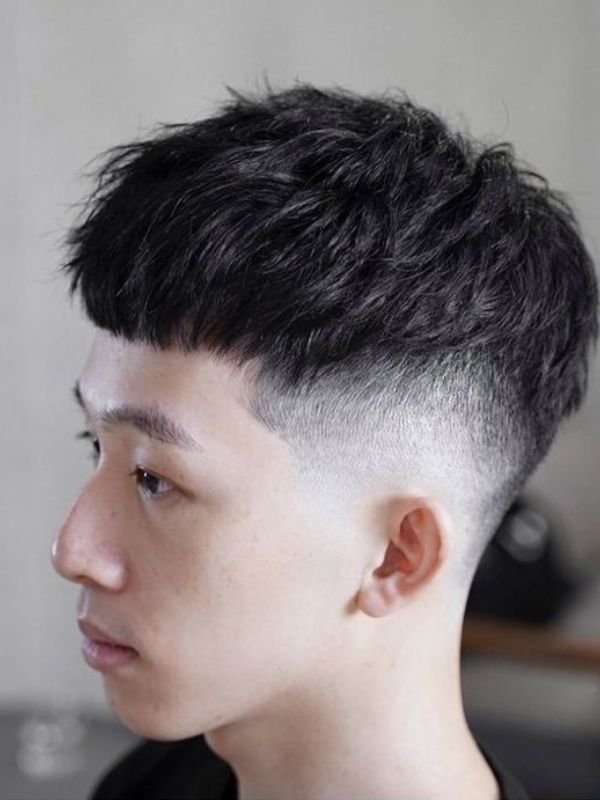
Thicker, straighter strands common in French crop for Asian hair styles hold the fringe shape especially well, often with only light product needed daily.
25. French Crop Low Taper for Kids
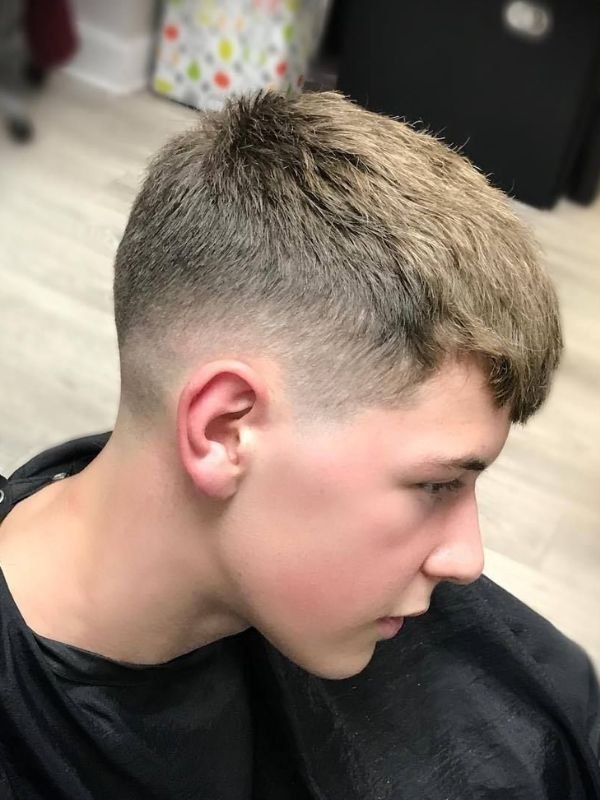
A junior version with a shorter fringe and a gentle, easy taper. It’s neat for school, and genuinely easy for parents to maintain between visits.
French Crop vs. Low Taper Fade: What Is the Difference?
People mix these two terms up constantly, and it’s an easy mistake to make. A French crop haircut refers to the top only, that textured, cropped section with a forward fringe sitting above the brow.
A low taper fade, on the other hand, refers purely to the sides. Hair gradually shortens down toward the skin near the ears and along the neckline, creating that clean sides finish barbers are known for.
So technically, you can have a French crop without any taper at all, just scissor cut sides with no fade. And you can have a low taper fade paired with a completely different top entirely. Combine both, and you land on the full French crop low taper this whole guide is about.
How to Ask Your Barber for a French Crop Low Taper
Walking in and saying “give me a French crop” isn’t really enough on its own. Barbers need specifics to nail your exact version of the cut, not a generic guess.
Here’s how to communicate clearly so you walk out happy, not disappointed, after your barber consultation.
Discuss Fringe Length and Top Texture
Tell your barber how long you want the fringe and whether you’re after a textured top or something smoother and sleeker. This one detail genuinely changes the entire look.
Specify Your Desired Guard Length for the Fade
Ask for a specific guard length on the low fade, usually a number 1 or 2 on the sides. This keeps the taper fade haircut consistent and clean throughout.
Bring a Reference Photo
A haircut reference photo removes all the guesswork from the conversation. Save a few images beforehand so your barber sees exactly what you’re picturing before the clippers even come out.
How to Style and Maintain Your French Crop Low Taper
Getting the cut is step one. Styling it right at home is what actually makes it look good every single day, not just fresh out the barbershop chair.
A little effort here goes a long way toward keeping the whole style sharp between visits.
Choose the Right Matte Clay or Pomade
A small amount of matte clay gives texture without shine, which suits most French crop styles. If you prefer a wetter, more defined look, a light styling paste works better instead.
Styling Techniques for Different Hair Types
Curly hair benefits from curl cream applied on damp strands to lock in definition. Straight hair, meanwhile, holds shape longer with a quick blow dry and a light product before styling.
Maintenance and Trim Schedule
Book a trim every two to three weeks for best results. The low taper fade grows out fastest of any part of the cut, so regular visits keep the whole style looking sharp.
Face Shapes and Choosing the Right Fringe Length
Your face shape genuinely changes how this cut should be tailored to you. It’s not one size fits all, no matter what any influencer online might claim.
For an oval face, almost any fringe length works well since the proportions are already naturally balanced. For a long face, a fuller fringe with more forward weight helps shorten the appearance visually and adds width.
A square face pairs nicely with softer, textured edges that ease off the jawline’s sharp, strong angles. Matching the fringe to your face shape is the difference between a good haircut and a great one.
Common Mistakes Men Make With This Haircut
A lot of guys accidentally ruin a great cut with small daily habits. Overloading product is the biggest one by far, since it flattens texture instead of lifting it the way it should.
Skipping trims is another common issue. The clean taper you loved on day one turns patchy and uneven by week four without regular upkeep.
Lastly, using the wrong product for your hair density, like heavy pomade on naturally fine hair, weighs everything down and kills volume fast. Match the product to your hair, not just the trend.
How the French Crop Low Taper Compares to Other Popular Cuts
Guys often ask how this style stacks up against a regular men’s French crop without the taper, or a plain low taper fade with a different top entirely. It genuinely helps to see the difference laid out plainly.
A standard crop with scissor cut sides gives you the same textured top and forward fringe, but the sides stay bulkier and less defined. It’s a solid look, just not as sharp around the edges as this version.
A plain low taper fade with a different top, like a buzz cut or a quiff, gives you the same clean sides but loses the texture and movement up front. The French crop low taper basically takes the best of both, sharp sides and a dynamic top, and puts them together in one barbershop style worth asking for by name.
Frequently Asked Questions (FAQs)
Is a French crop low taper good for thin hair?
Yes, but keep the top shorter overall. Length on French crop for thin hair tends to fall flat, so a shorter, more textured cut works noticeably better.
How often should I get this haircut trimmed?
Every two to three weeks for the low fade, and roughly every four to six weeks for the top length itself.
Can I do a French crop low taper at home?
The top is manageable with clippers and scissors if you’re careful. The fade blending is trickier though, so a proper barber consultation is genuinely worth it.
Does this haircut suit every face shape?
Mostly yes, with small tweaks to fringe length and top volume depending on your specific face shape and features.
What products work best for styling?
Matte clay for texture, texture powder for extra volume, and a sea salt spray if you want a more relaxed, tousled finish overall.
Conclusion
The French crop low taper earns its popularity honestly. It’s sharp, genuinely low maintenance, and flexible enough to suit almost any guy walking into a barbershop in 2026, regardless of hair type or face shape.
Whether you go classic, messy, textured, or add a fade twist of your own, the foundation stays the same. A clean taper underneath, and a confident, textured crop on top.
Bring a photo, speak up about your fringe length, and stay on top of your trim schedule. Do that, and this haircut will carry you through the entire year looking sharp every single time you step out.