
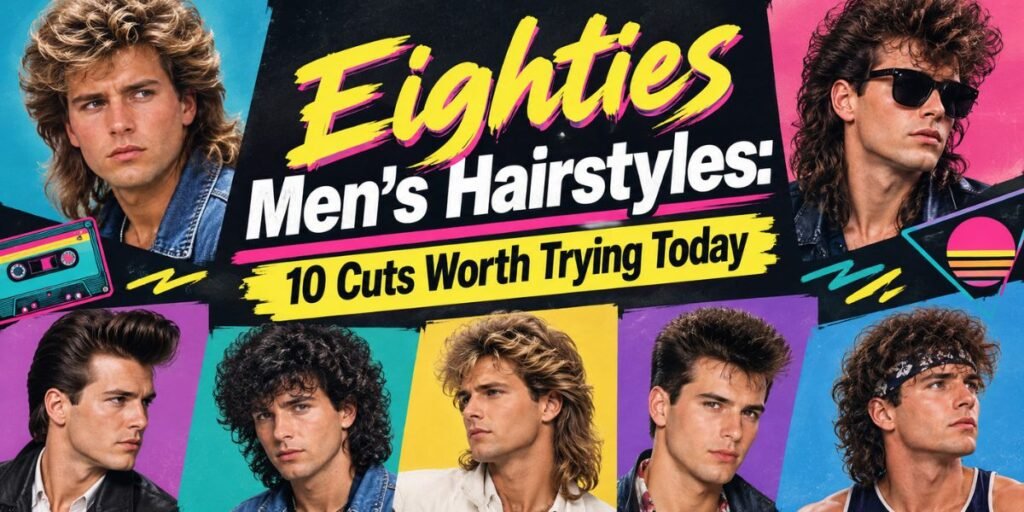
The best 80s men’s hairstyles for today are the modern mullet, textured pompadour, flat top, feathered layers, glossy curls, high-top fade, rocker curly shag and new wave bowl cut. Each one still works when you soften the extremes and match the cut to your face shape and hair texture.
Skip the full costume look. Keep the shape that made 1980s hairstyles for men famous and trim the excess. That’s the whole trick behind a modern retro haircut.
Try these 80s men’s hairstyles on your own photo
Ever wondered whether a mullet would make you look cool or just confused? Guessing is a risky way to book a haircut. A quick preview on your own photo takes the nerves out of it.
Upload a clear, front-facing picture with your hair pushed back. Test two or three retro hairstyles and save your favorites. Then take the screenshots to your barber.
Key Takeaways
Short on time? Here’s the quick version.
- Modern 80s mullet: shorter sides and a tidy back keep it wearable.
- Textured pompadour: volume up front with a matte finish looks current.
- Flat top and high-top fade: best for thick hair and strong jawlines.
- Feathered layers and curly shag: built for wavy hair and curly hair.
- Bowl cut and glossy curls: soft shapes that suit slim faces.
- Short options: a taper fade brings the 80s edge without the upkeep.
Which 80s Men’s Hairstyle Should You Choose?
Standing in front of the mirror, wondering which cut fits you? Start with three things: your hair type, your face shape and how many minutes you’ll give it each morning. Those three answers narrow eleven options down to two or three.
Picture two guys at the same barber. One has thick, straight hair and ten spare minutes. The other has fine, flat hair and no patience. They shouldn’t leave with the same 80s haircut ideas.
The list below runs from bold to subtle. Read the maintenance notes before you commit. Some cuts look easy in photos but demand real daily effort.
1. Modern 80s Mullet
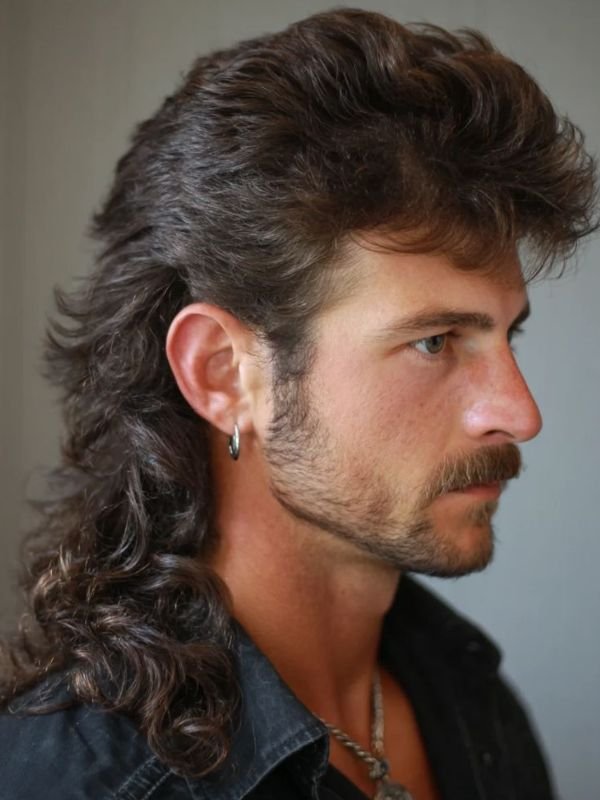
Think the mullet is a joke? It was once. Today’s modern 80s mullet keeps the short top and longer back but blends everything with texture and a clean neckline.
The shift is in the proportions. Sides get a light taper fade and the back stays shoulder length at most. It reads deliberate instead of accidental.
Try on Modern 80s Mullet
Worried about the back length? Preview it first. A photo test shows how the 80s mullet haircut frames your jaw before any hair gets cut.
Best for wavy hair and medium thickness. Style it with a light hair styling product such as sea salt spray. Finish with a quick scrunch and leave it alone.
2. Textured 80s Pompadour
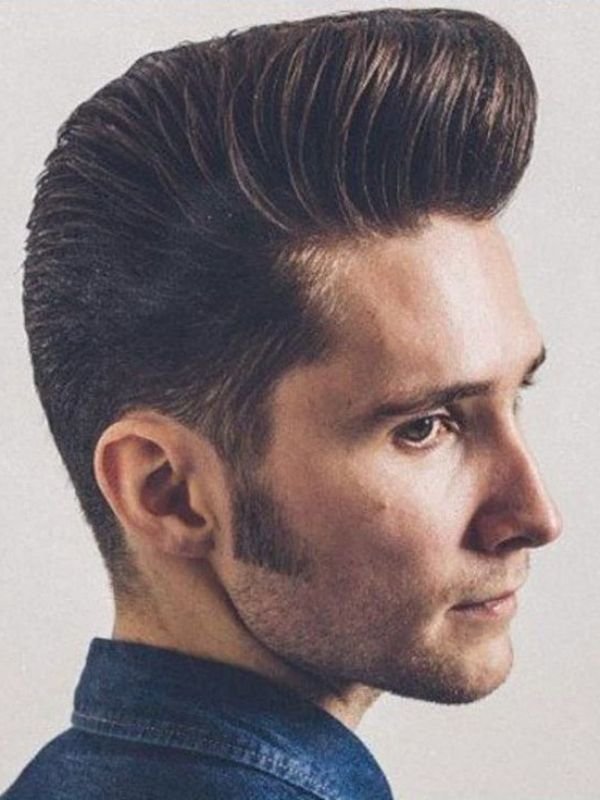
Want height without the shiny, helmet look? The 80s pompadour rewards a looser approach. Today’s version uses matte clay and a softer sweep instead of rigid hairspray.
Keep the sides short or faded and leave three to four inches on top. That contrast creates the shape. A pompadour haircut also draws the eye upward, which helps rounder faces look longer.
Try on 80s Pompadour
Nervous about looking like a throwback act? Preview the height. Too much volume can dwarf a small forehead.
Blow dry the front upward with a round brush. Add a pea-sized amount of paste and push the hair back with your fingers. Done in five minutes.
3. Flat Top
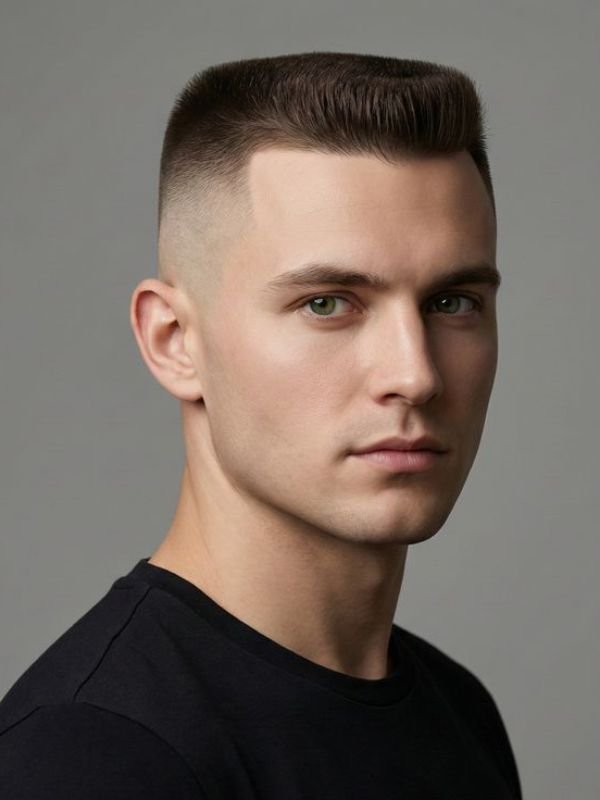
Is the flat top haircut still a thing? Absolutely. Athletes and military haircuts kept it alive for decades and barbershops now treat it as a precision skill.
The top gets cut level like a tabletop while the sides fade tight. It needs thick hair that stands up on its own. Fine hair will fall flat in every sense.
Try on Flat Top
Not sure your head shape suits it? That’s the right question. Flat tops highlight skull shape and jawline, so a preview saves regret.
Expect a trim every three weeks. The straight edges lose sharpness fast. A small tub of firm wax keeps the top level in humid weather.
4. Feathered Layers
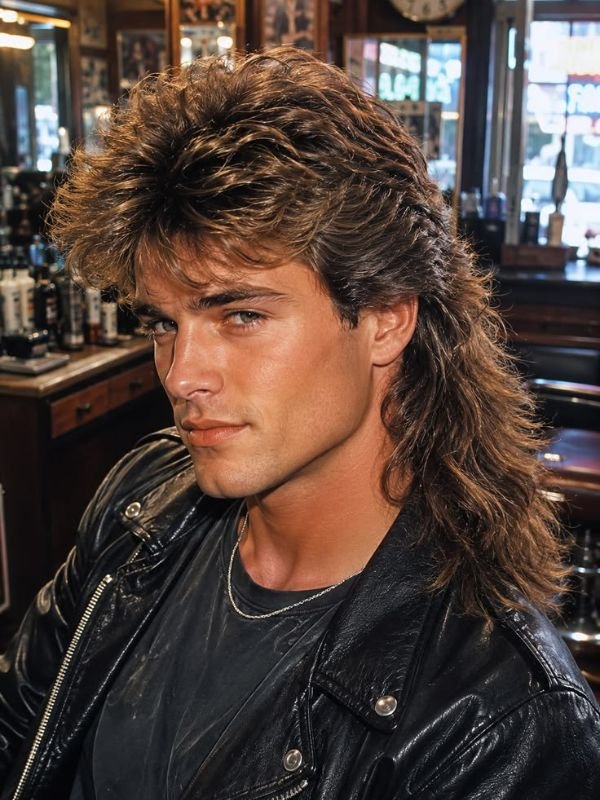
Remember the swept wings from old rock posters? Feathered layers create that soft, flowing shape by cutting the hair in graduated lengths. The result looks light instead of heavy.
This layered hair style works on long hair and medium lengths. Feathered hair rewards natural movement, so straight and wavy textures cope best.
Try on Feathered Layers
Afraid the layers will look dated? Preview how face-framing layers fall around your cheeks. Longer pieces near the cheekbones add softness to angular faces.
Use a light mousse on damp hair and blow dry with a brush pulled away from the face. Keep the finish natural. Stiff hair breaks the whole effect.
5. Glossy Curls
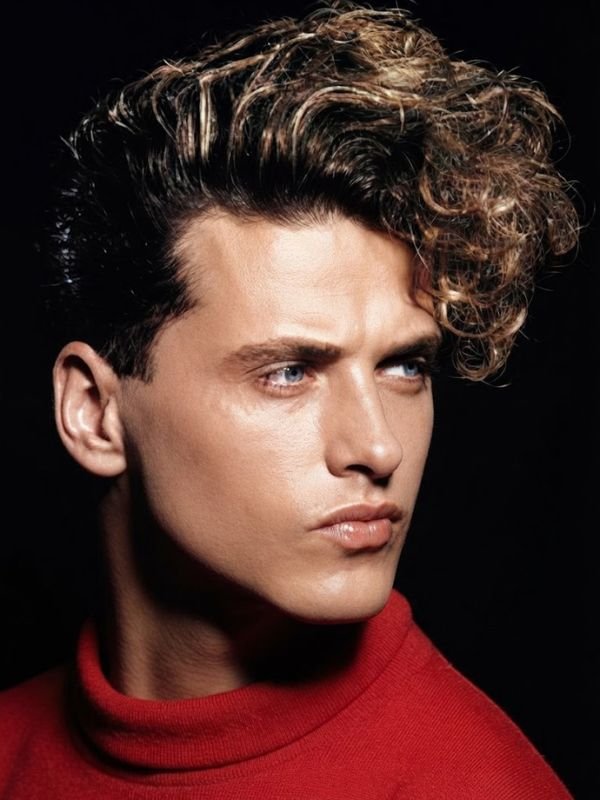
Do your curls frizz the second you leave the house? Glossy curls are the fix. This look pairs defined curly hair with a healthy shine, a hallmark of the decade’s pop stars.
The cut matters less than the moisture. Ask for even length through the top so curls stack neatly. A touch of leave-in cream does the rest.
Try on Glossy Curls
Curious how much volume your curls will add? Preview the shape from the side as well as the front. Curls grow outward and change the silhouette more than most people expect.
Skip brushing when dry. Detangle in the shower with conditioner on and use a diffuser afterward. Your curls will hold their pattern.
6. High-Top Fade
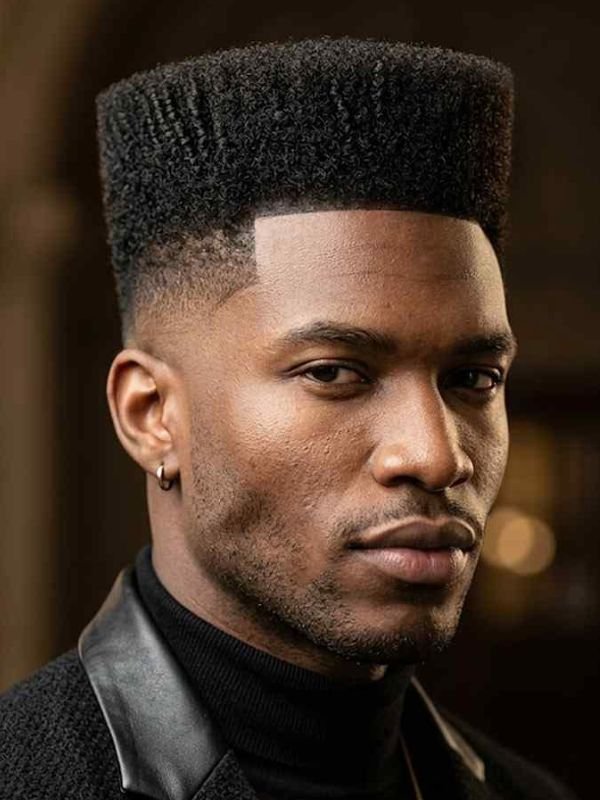
Looking for something louder than a fade yet tidier than a mullet? The high-top fade delivers height on top with sharply faded sides. It became a signature of late 80s street style.
The high-top haircut needs coily or very thick hair that can hold its own height. Barbers shape the top into a clean block or a slight slant. Detail work matters here.
Try on High-Top Fade
Wondering how tall is too tall? Preview a couple of heights. Two extra inches change the whole proportion of your face.
Pick the top with an afro pick and moisturize often. A fade haircut needs a refresh every two weeks to stay crisp. Book the next visit before you leave the chair.
7. Rocker Curly Shag

Got natural curl and a rebel streak? The rocker curly shag fits you well. It stacks choppy layers around the crown and lets the ends flip however they want.
The curly shag haircut pulls from 80s rock hairstyles without the heavy teasing. It suits medium to long hair and hides uneven growth beautifully. Messy is the entire point.
Try on Rocker Curly Shag
Not sure how much layering is too much? Preview it. Over-layered fine hair can look thin at the ends.
Apply curl cream to damp hair and air dry. Trim every eight weeks. Between visits a loose texture spray revives the shape.
8. New Wave Bowl Cut
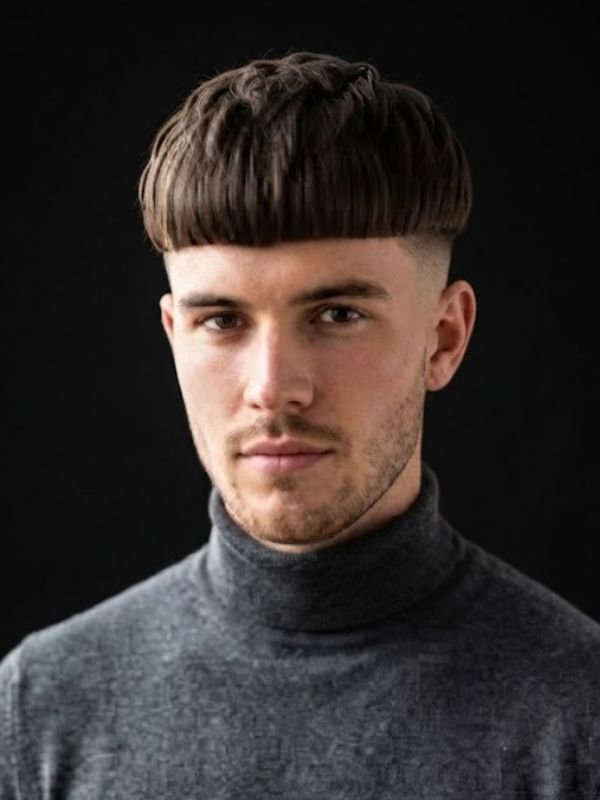
Think a bowl cut hairstyle is a childhood haircut gone wrong? New wave artists proved otherwise. The new wave bowl cut has a sharp fringe and a sleek, slightly angled finish.
The modern version thins the edges and keeps the sides clean. It flatters slim faces with strong cheekbones. Round faces should be careful because the fringe adds width.
Try on New Wave Bowl Cut
Wary about the fringe line? Preview it. A fringe cut too high can shorten the face, while one that sits lower adds drama.
Straight, fine hair handles this cut well. Use a flat iron on low heat and a smoothing serum. Everyday upkeep is simple.
10. Eighties men’s hairstyles short hair
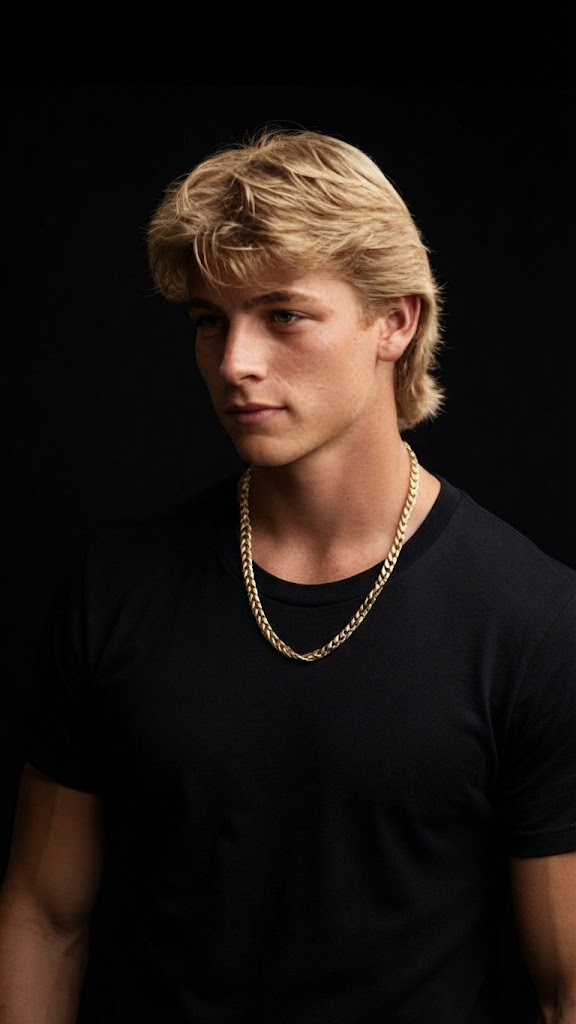
Tired of daily styling? Short 80s cuts offer the best return on effort. Wash, towel dry and you’re out the door.
A tight taper fade with a bit of length on top gives the classic shape in minutes. This is one of the most practical men’s hairstyles from the era.
Low-Maintenance Short Hairstyles from the 80s
Which short cuts need the least work? The textured crop tops the list. The flat top haircut in a cropped version works too.
Plan a visit every three to four weeks. Use a small amount of paste or powder for grip. That covers hairstyle maintenance for most mornings.
Face Shape Guide
Does your face shape actually matter? Yes, quite a bit. The right haircut for face shape balances your features instead of fighting them.
- Round: go for height, like a pompadour or high-top fade.
- Square: soften with feathered layers or glossy curls.
- Oval: most cuts work, so pick by hair texture.
- Long: avoid extra height and try the bowl cut or shag.
Not sure of your shape? Pull your hair back and look at your jaw and forehead in a mirror. Compare width and length. Most faces lean toward one type.
Hair Texture and Maintenance
Is your hair too fine or too thick for these cuts? Texture decides how a style behaves. Thick hair holds flat tops and pompadours. Fine hair does better with feathered layers or short crops.
Wavy hair and curly hair love shags and mullets. Straight hair suits the bowl cut. Match the cut to the hair you’ve got, not the one you wish you had.
Maintenance varies by style. Fades need two to three weeks between trims. Layered looks last six to eight weeks. Ask your barber how often the cut needs attention.
What to Tell Your Barber
Ever left the chair with a cut you didn’t ask for? Clear barber tips prevent that. Bring photos from two angles and name the cut plainly.
Specify the lengths on top, sides and back. Say “taper fade” or “scissor cut” instead of “short.” Mention how much time you’ll spend styling each day.
Ask what the barber would change for your hair type. A good one welcomes the question. Trust grows from that small exchange.
How to Preview the Cut in HairWow
Want to see the haircut before you commit? HairWow is a tool that lets you try styles on your own picture. Features can change, so check the current options inside the app.
Upload a bright, front-facing photo with no hat. Choose a style and compare a few versions side by side. Save the best two.
Show the results to your barber. Visual references reduce guesswork and awkward conversations. They also help you notice details like fringe length and side height.
Styling Without Damaging the Hair
Does constant styling wreck your hair? It can. Heat, harsh gels and daily washing strip natural oils and cause breakage. The men’s grooming routine matters as much as the cut.
Use heat protectant before blow drying and keep the dryer on medium. Pick water-based hair styling products over alcohol-heavy gels. Wash two or three times a week unless your scalp is oily.
Dermatology groups such as the American Academy of Dermatology suggest gentle handling and limited heat for healthy hair. Follow that advice and your voluminous hairstyles will last longer. Your scalp will thank you.
Common Mistakes
What goes wrong most often? Guys pick a cut because of a photo and ignore their hair texture. A pompadour on fine, limp hair rarely holds.
Other slip-ups include:
- Overdoing product: too much gel creates a crunchy, dated look.
- Skipping the neckline: a messy nape ruins a mullet.
- Ignoring trims: fades and flat tops fall apart fast.
- Copying the full costume: keep one 80s element and modernize the rest.
Learn from these and your hairstyle trends experiments stay stylish.
Conclusion
The best 80s men’s hairstyles are the ones that suit your hair and daily routine. Pick one cut, preview it, and bring clear references to your barber. Small tweaks make a retro look feel fresh.
Which style are you leaning toward? Drop your pick in the comments and tell others what worked for you. Share this guide with a friend who keeps threatening to get a mullet.
Eighties Men’s Hairstyles FAQ
What is the most popular 80s men’s hairstyle today?
The modern mullet and the textured pompadour lead the pack. Both adapt well to different hair types.
Can fine hair pull off 80s cuts?
Yes. Feathered layers, short crops and a light bowl cut suit fine hair. Avoid stiff flat tops.
How often should I trim an 80s style?
Fades and flat tops need a trim every two to three weeks. Layers and shags last six to eight weeks.
Is a mullet still acceptable at work?
A neat, modern mullet with faded sides can pass in relaxed offices. Conservative workplaces may prefer a short pompadour or a taper.
What products work best?
Matte clay for pompadours, curl cream for shags and glossy curls, and firm wax for flat tops. Choose water-based formulas when possible.
How do I choose between styles?
Match your face shape and hair texture first. Preview two or three options and ask your barber for honest feedback.
Sources
- American Academy of Dermatology Association, hair care and styling guidance for healthy hair
- Barber and stylist consultation notes on fades, tapers and layered cuts
- Fashion and music history references on 1980s hairstyles (mullet, pompadour, flat top and new wave looks)
- HairWow app, for virtual try-on features (check current details in the app)