
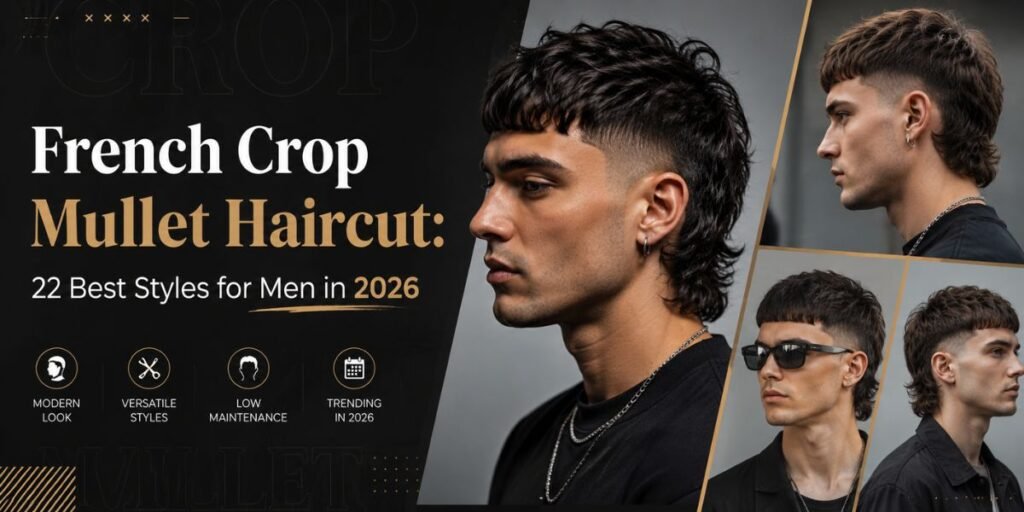
Scrolling through your barber’s Instagram and keep seeing the same cut pop up? That’s the French crop mullet haircut, and it’s not going anywhere in 2026. Short on top, textured up front, longer at the back. It’s the cut that says you put in effort without trying too hard.
This guide breaks down everything you need. What the cut actually is, 22 style variations to bring to your barber, which face shapes it flatters, and how to keep it looking sharp between trims. No fluff. Just what you came here for.
What Is a French Crop Mullet?
A French crop mullet haircut blends two classic cuts into one bold look. You get the short, textured fringe and tight sides of a French crop, paired with the longer back of a mullet. The result sits somewhere between tidy and rebellious.
Think of it like ordering a coffee with an extra shot. You’re taking something familiar and adding a kick. The front stays neat and structured. The back grows out and gives you that extra personality most fades just can’t offer.
Barbers love this cut because it works with natural texture instead of fighting it. Whether your hair is straight, curly, or somewhere in between, the French crop with mullet style adapts. That’s part of why it’s landed on so many “cut to try” lists this year.
Why Is the French Crop Mullet Trending in 2026?
Men are done with cuts that need twenty minutes and three products every morning. The modern French crop mullet delivers style with barely any daily effort. Wake up, run some product through it, and you’re out the door.
Social media gets a lot of credit here too. Footballers, musicians, and street style influencers keep showing up with French crop mullet men looks, and barbershops are seeing the requests pour in. It’s the kind of cut that photographs well from every angle, which matters more than ever.
There’s also a bigger shift happening in men’s grooming. Guys want cuts that feel personal, not cookie cutter. A French crop mullet hairstyle lets you dial the length, texture, and fade up or down based on your face, your job, and your mood. That flexibility is rare, and it’s exactly why the style has staying power.
22 Best French Crop Mullet Hairstyles to Try
Here’s the fun part. Below are 22 ways to wear this cut, from the barbershop classic to bolder, statement versions. Screenshot a few before your next appointment.
1. Classic French Crop Mullet
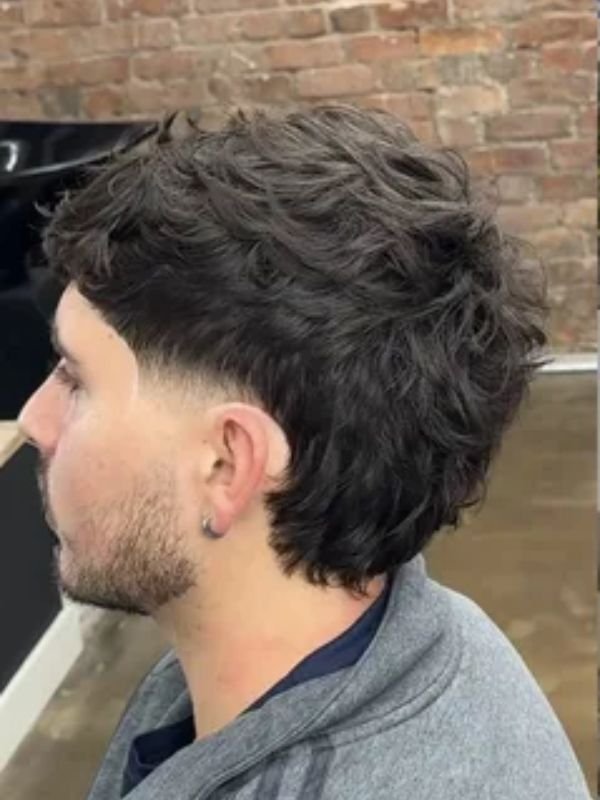
This is the original blueprint. Short, choppy fringe on top, tapered sides, and a back that grows past the collar. It’s clean enough for the office and cool enough for the weekend.
The classic French crop mullet works because it doesn’t try too hard. You get texture up front without spikes or heavy styling. Ask your barber to keep the crown slightly longer so the fringe has something to fall into.
2. Textured French Crop Mullet
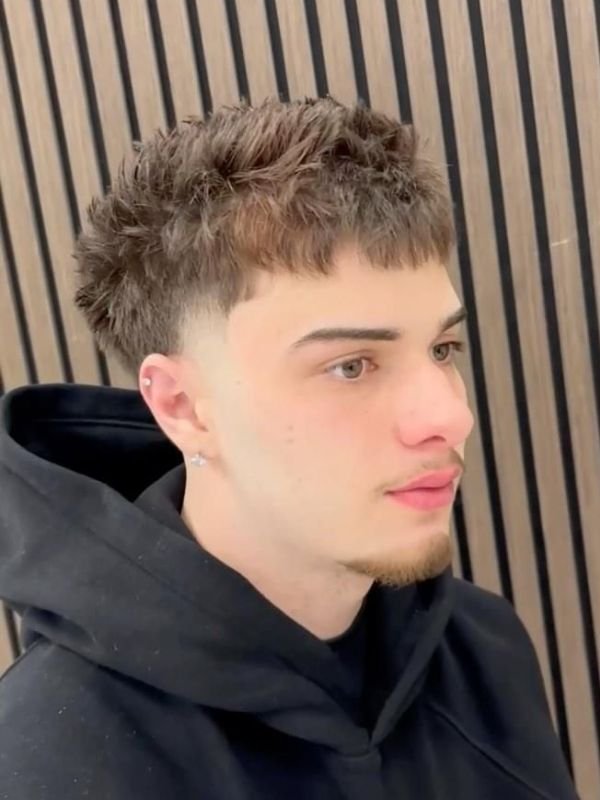
Want more movement? The textured French crop mullet uses point cutting and thinning shears to break up the top. Instead of one solid block of hair, you get layers that catch light and shadow.
This version pairs beautifully with a bit of sea salt spray. Scrunch it in while your hair’s still damp, and you’ll get that just out of the ocean look without actually going anywhere near water.
3. Short & Sharp French Crop Mullet
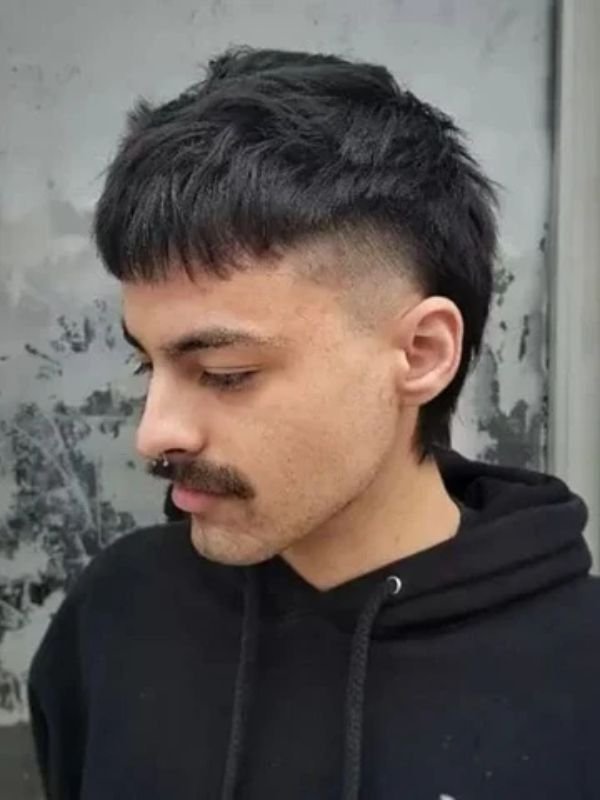
If you’re not ready to commit to a long, dramatic back, this is your entry point. The short French crop mullet keeps everything tighter, including the back section, so it reads more “edgy crop” than full mullet.
It’s a low commitment way to test the trend. Barbers often recommend this to first timers because it’s easier to grow into a bigger mullet later, or trim back down if it’s not for you.
4. Long & Flowing French Crop Mullet
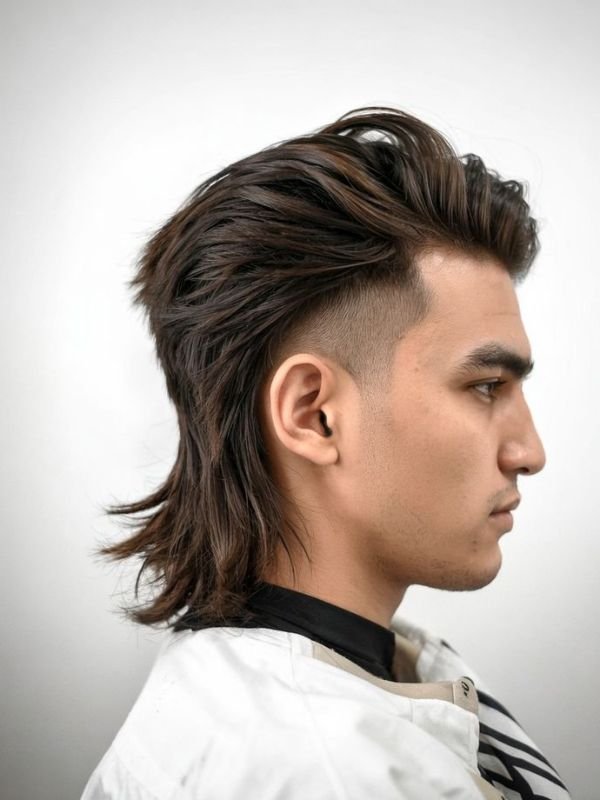
On the opposite end sits the dramatic version. Here the back grows out several inches, giving you real length and flow. Combine that with a cropped, textured fringe up front for maximum contrast.
This style takes patience. Growing the mullet back section out evenly means regular check ins with your barber so it doesn’t get patchy along the way.
5. French Crop Mullet for Curly Hair
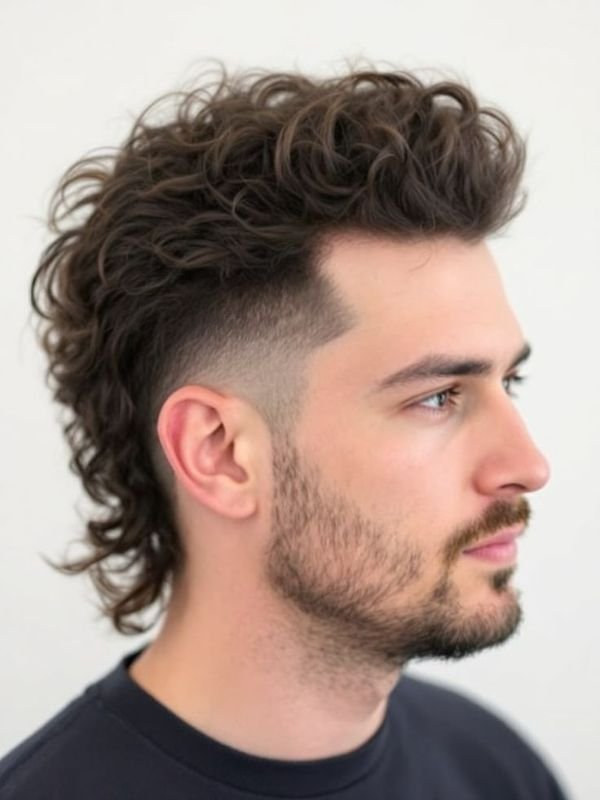
Curls add natural texture that most other cuts try to tame. This one works with it instead. The French crop mullet for curly hair leans into your natural volume, letting the curls spring up on top while the back curls loosely down the neck.
Skip heavy gels here. A lightweight curl cream defines each curl without weighing it down or making it look crunchy.
6. French Crop Mullet for Straight Hair
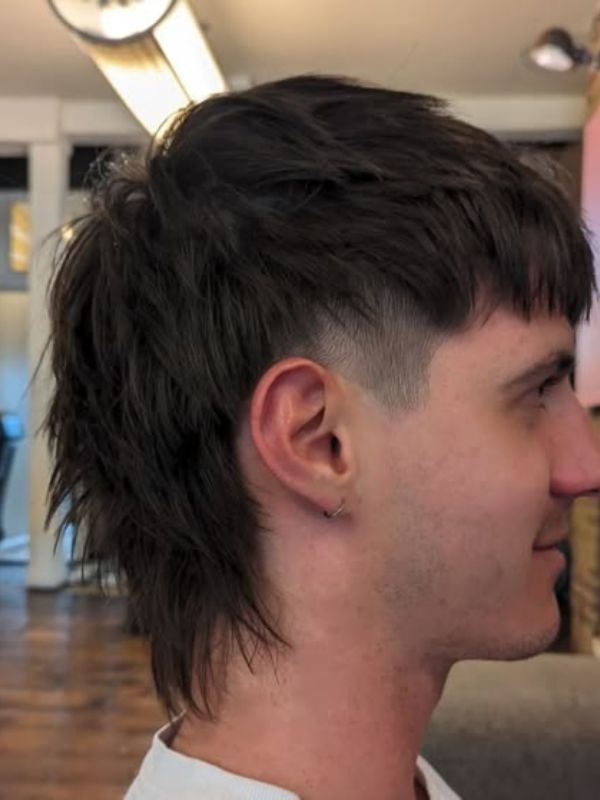
Straight strands give this cut a sleek, almost architectural edge. The French crop mullet for straight hair shows off crisp, clean lines since there’s no natural wave to soften the shape.
Because straight hair falls flat easily, a light styling cream or matte paste helps hold the fringe upright without looking greasy.
7. Wavy French Crop Mullet
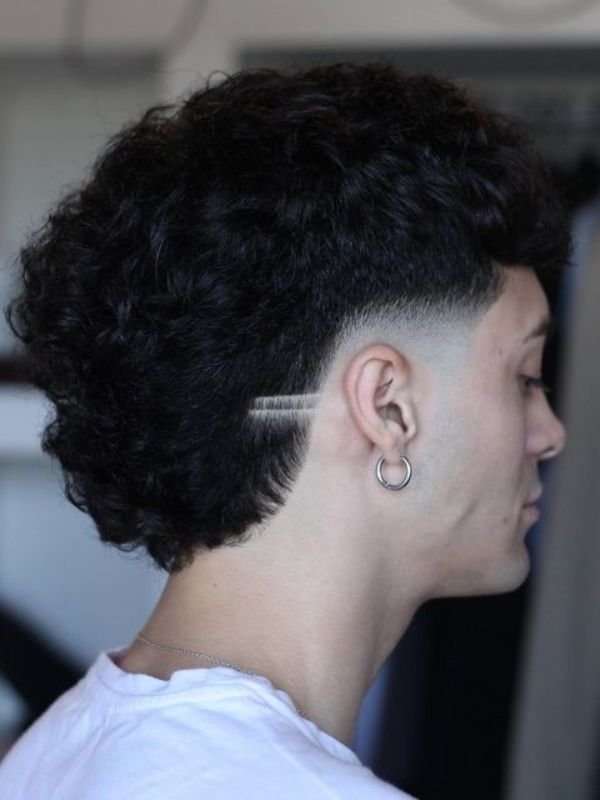
Waves sit right in the sweet spot between curly and straight, and this cut shows it off. The wavy French crop mullet gives you effortless texture on top while the waves roll gently through the longer back section.
A quick scrunch with sea salt spray after a shower is usually all this style needs. It’s genuinely one of the lowest maintenance versions on this list.
8. French Crop Mullet for Thick Hair
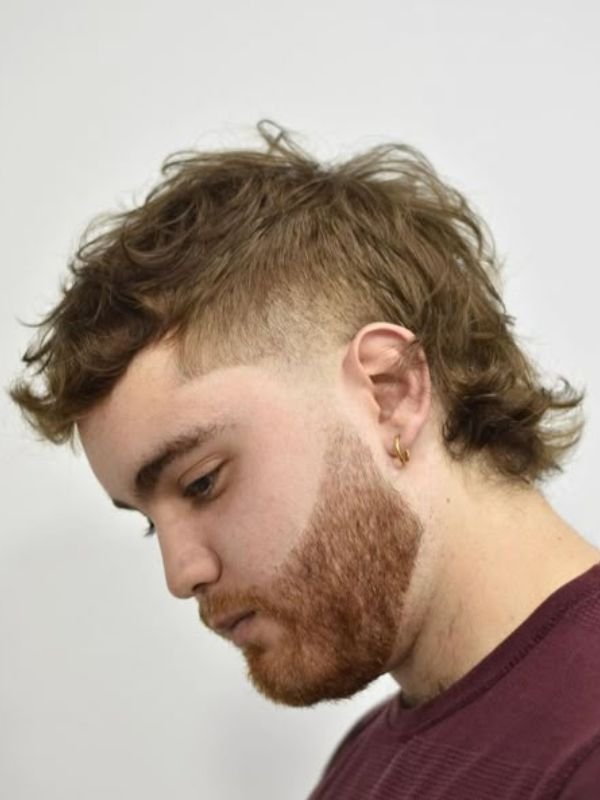
Got a lot of hair to work with? Good, because thick hair holds this cut’s shape beautifully. The extra density gives the fringe more lift and makes the back section look fuller and more dramatic.
Barbers will often thin out the crown a bit here so the weight doesn’t drag the style down. Ask for point cutting if your hair tends to sit heavy.
9. French Crop Mullet Fade
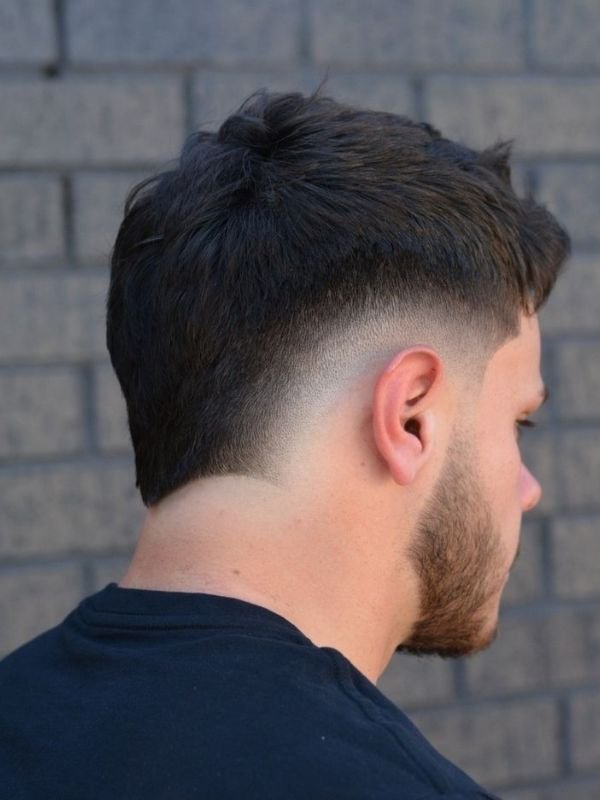
Combine a crisp fade with the crop mullet shape, and you get one of the most requested versions in barbershops right now. The French crop mullet fade cleans up the sides while letting the top and back do all the talking.
It’s the cut equivalent of a tailored suit. Sharp where it needs to be, relaxed everywhere else.
10. Low Fade French Crop Mullet
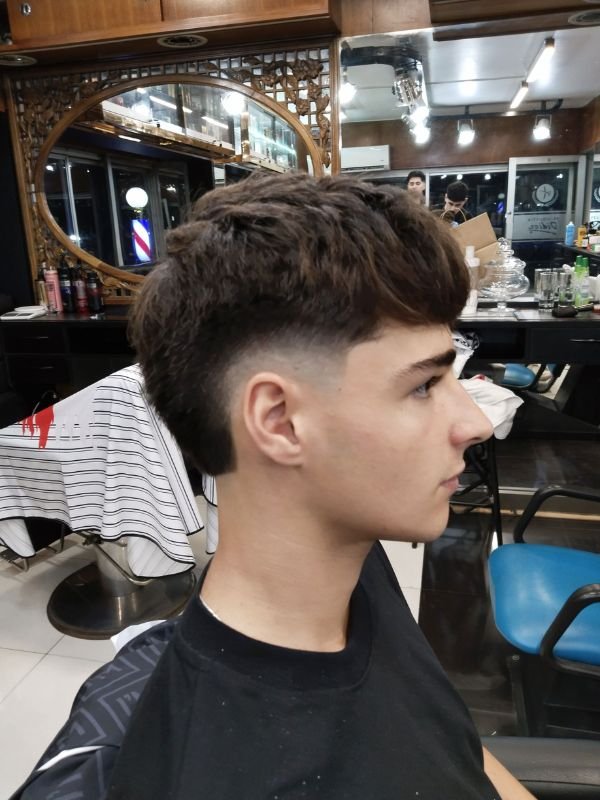
The French crop low fade mullet keeps the fade close to the ears, barely climbing above them. It’s subtle, workplace friendly, and doesn’t scream for attention.
If you’re easing into fades for the first time, start here. It’s forgiving as it grows out too, so you won’t need to rush back to the chair.
11. Mid Fade French Crop Mullet
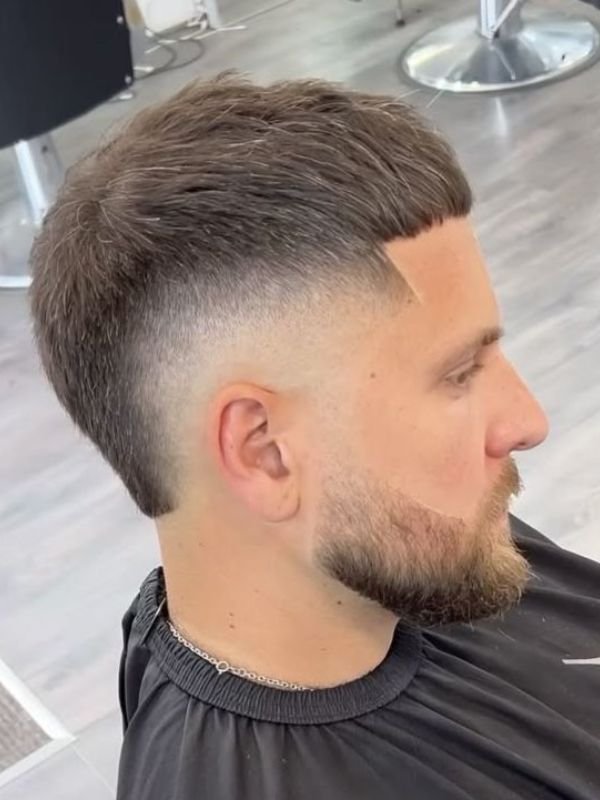
Sitting between low and high, the mid fade gives a noticeably sharper contrast against the top and back. It’s the most popular middle ground, striking a balance most guys find flattering.
This works particularly well if you’ve got a rounder face, since the fade creates the illusion of more angles along the sides.
12. High Fade French Crop Mullet
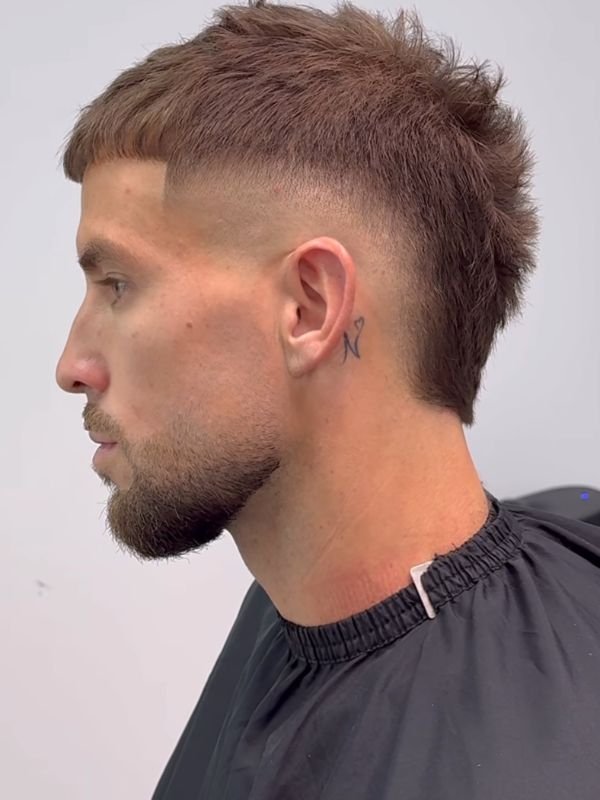
For maximum contrast, go with the high fade. The sides are cut close nearly up to the temple, making the longer top and back look even more dramatic in comparison.
This is a bolder statement cut. It suits guys who want their haircut noticed, not just admired quietly from across the room.
13. French Crop Burst Fade Mullet
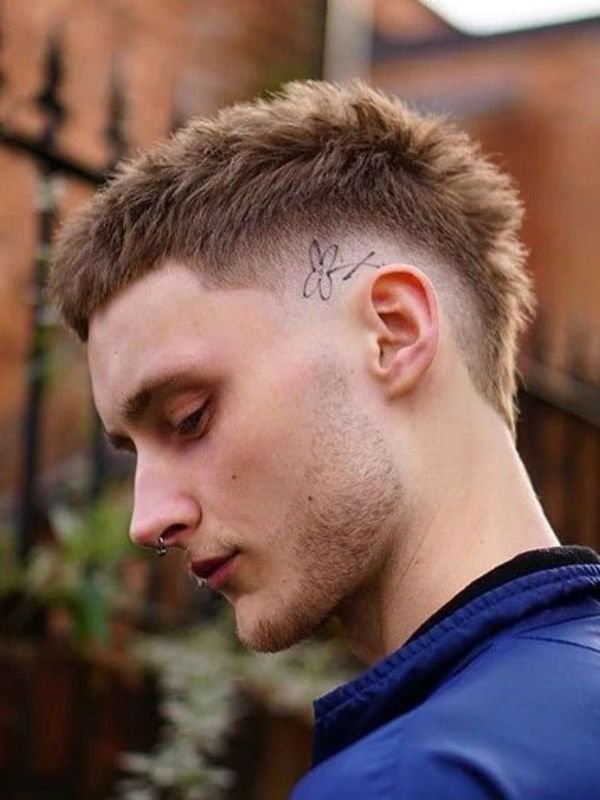
Instead of a straight fade line, the French crop burst fade mullet curves around the ear in a burst pattern. It adds a rounded, almost sculpted feel to the sides.
This version photographs incredibly well because of the curved lines. If you’re after a cut that looks good in every selfie angle, this one delivers.
14. Drop Fade French Crop Mullet
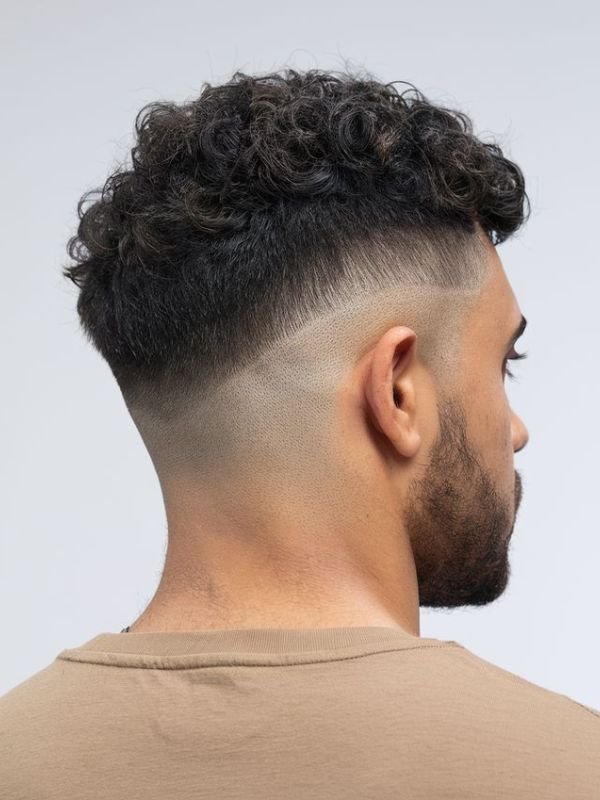
The drop fade dips lower behind the ear before rising back up, creating a subtle curve rather than a straight taper. Paired with the crop mullet shape, it softens the overall look while keeping things sharp.
It flatters most face shapes because that dropping line draws the eye downward, balancing out wider foreheads.
15. Skin Fade French Crop Mullet
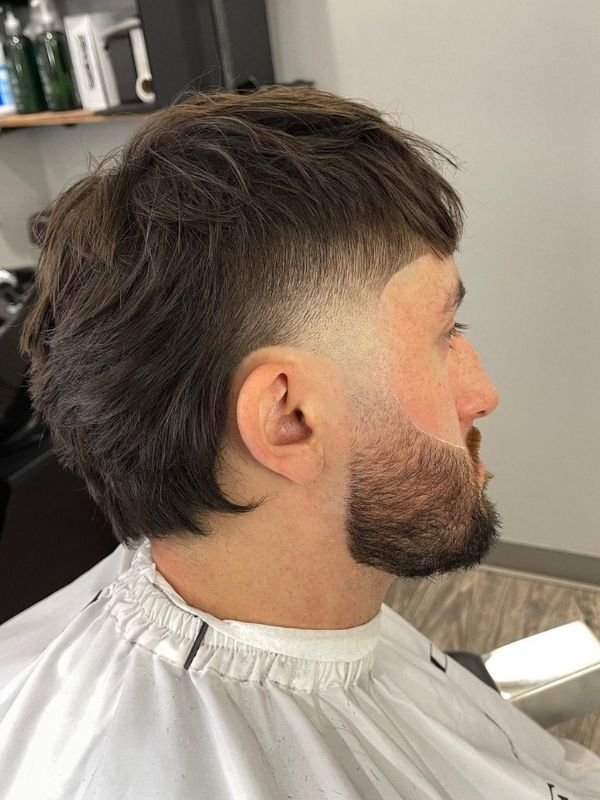
Want the boldest contrast possible? The skin fade takes the sides down to bare skin, leaving nothing but the top and back to carry the style. This makes the French crop mullet fade pop even harder.
Maintenance is the tradeoff here. Skin fades grow out faster than other fades, so plan on more frequent barbershop visits to keep those clean edges.
16. French Crop Taper Mullet
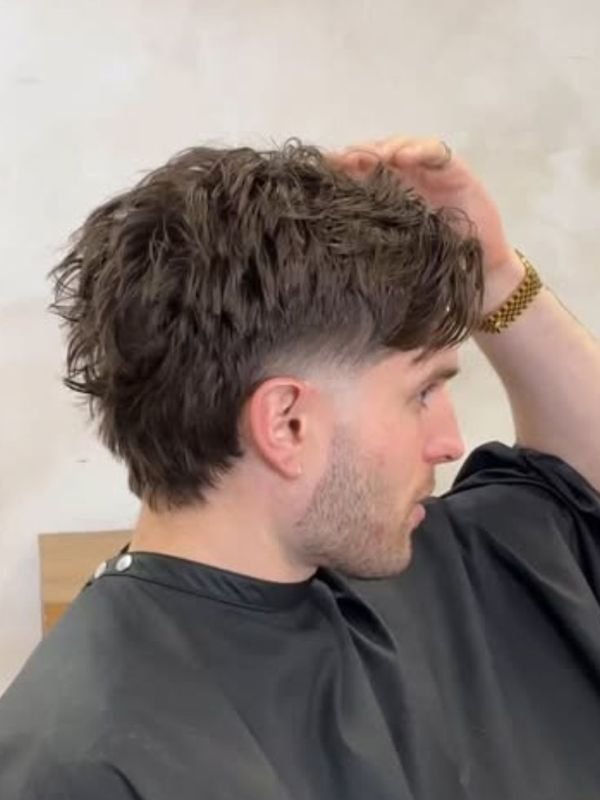
Not everyone wants a hard fade line. The French crop taper mullet blends the sides gradually instead, without ever going down to skin. It’s a softer, more natural transition from short to long.
This suits guys who want a low key, everyday cut that still has personality. It’s easier to maintain yourself between trims too, since there’s no sharp line to keep touched up.
17. Modern Minimalist Crop Mullet
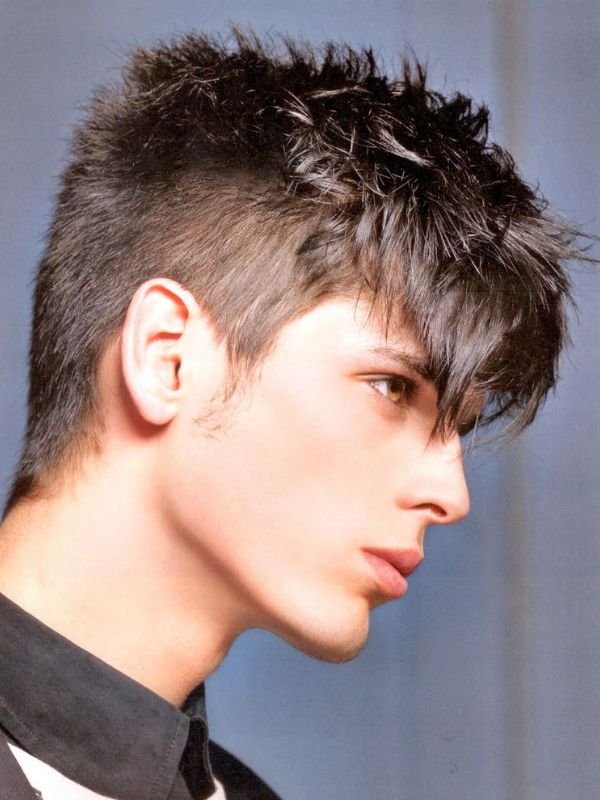
Sometimes less really is more. This version strips back the drama, keeping the fringe short and neat, the sides tapered but not too dramatic, and the back just barely past the collar.
It’s a great pick if your workplace has stricter grooming expectations but you still want in on the trend. Subtle, clean, and still unmistakably a modern French crop mullet.
18. Messy & Edgy French Crop Mullet
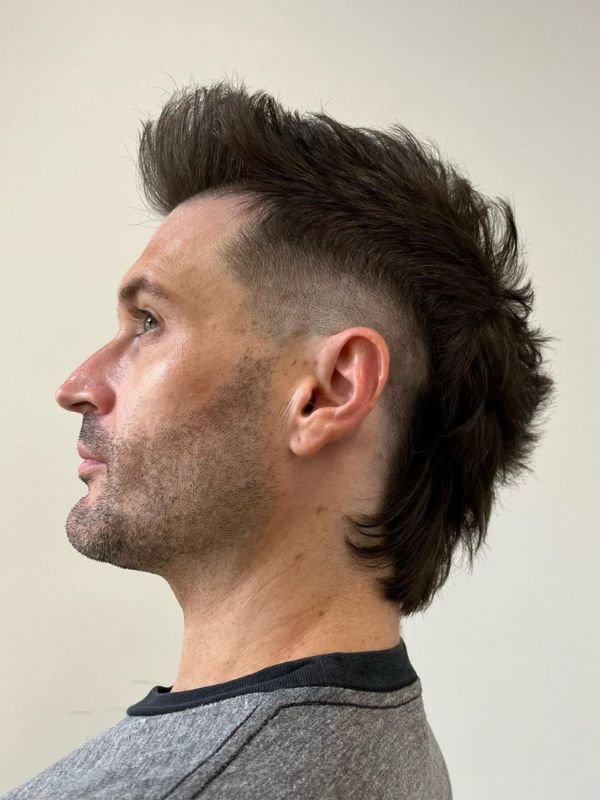
On the flip side, this style embraces chaos, in a good way. The messy French crop mullet uses a matte finish and finger styling to create that “just rolled out of bed but somehow it works” look.
Texture paste is your best friend here. Rub a small amount between your palms and rake it through with your fingers rather than a comb.
19. Korean Inspired French Crop Mullet
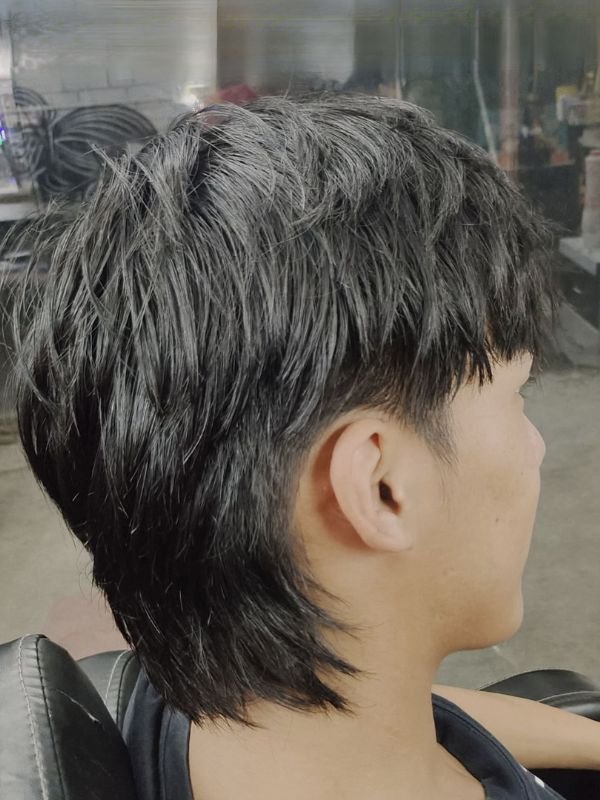
Korean street style has influenced menswear for years, and this cut borrows that same soft, layered fringe with a straighter, cleaner silhouette overall. Expect a fuller, curtain like top rather than choppy spikes.
Pair it with straight or lightly textured hair for the most authentic version of this look.
20. Asian French Crop Mullet Fade
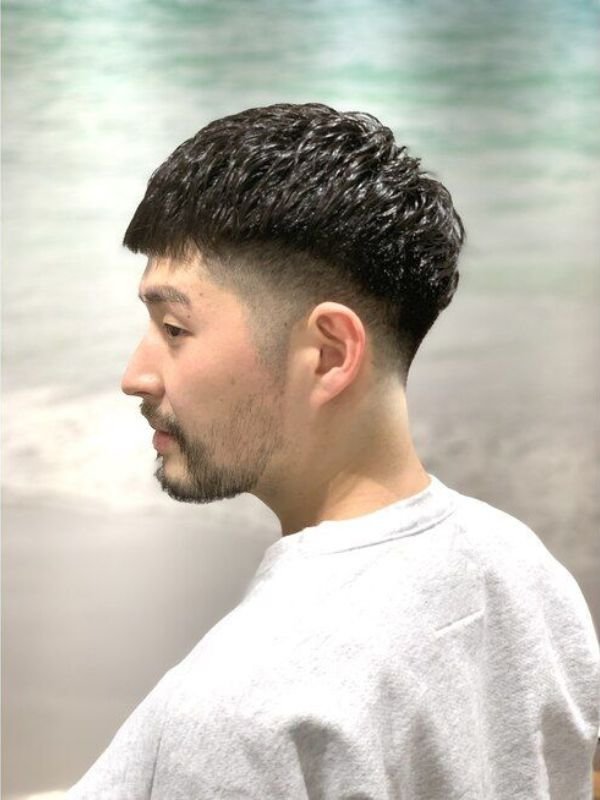
Built specifically with thicker, straighter Asian hair textures in mind, this variation combines a defined fade with extra attention to the fringe’s weight distribution. Barbers often use razor work here to prevent the top from looking too bulky.
It’s a great option if you’ve struggled with cuts that make your hair look like one solid block instead of styled layers.
21. French Crop Mullet with Undercut
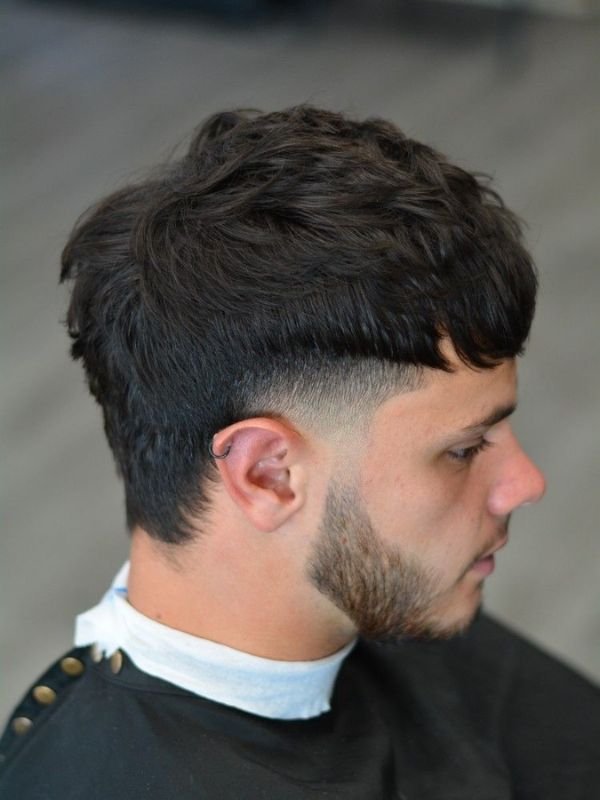
This version pushes the contrast further by pairing an aggressive undercut with the classic crop mullet shape. The sides go almost shaved while the top stays long and full, creating serious drama.
It’s not for the office cautious crowd. But if you want a cut that turns heads, this is about as bold as the style gets.
22. French Crop Mullet for Kids
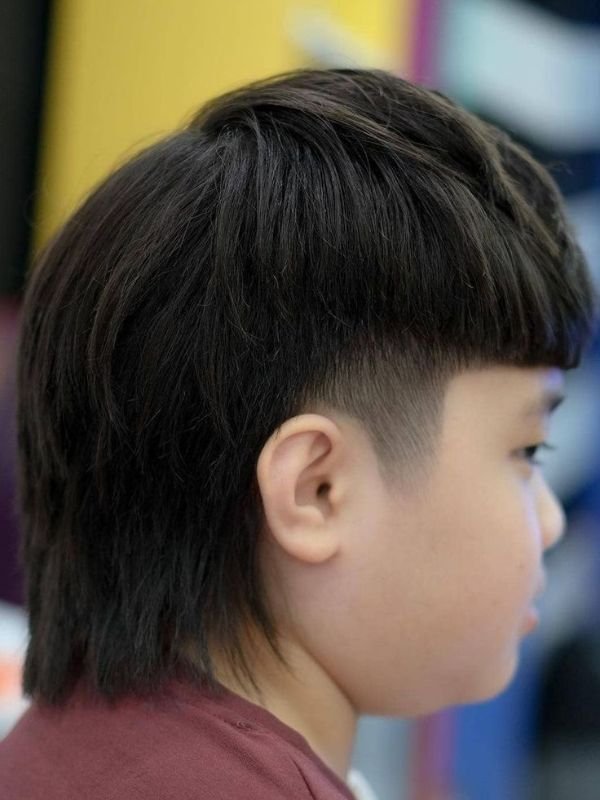
Yes, even the younger crowd is getting in on this trend. A French crop mullet for kids version usually keeps things simpler, shorter fringe, a gentle taper instead of a hard fade, and a back that’s easy for parents to manage.
It’s a fun way to let kids have a bit of personality in their cut without going overboard on maintenance.
French Crop Mullet vs Other Crop & Fade Styles
So how does this cut stack up against a regular crop or a standard fade? A classic French crop keeps everything short and even all around, no length at the back at all. It’s tidy, but honestly, a little predictable.
A standard fade, meanwhile, focuses purely on the sides going from short to shorter. It doesn’t touch the top length or shape much beyond a basic trim. The French crop mullet haircut borrows the best of both, sharp sides from the fade world, textured top from the crop, and adds that extra flair at the back that neither of those cuts offers on their own.
If you want a cut that stands out from what everyone else at the gym is wearing, this hybrid gives you that edge. It’s familiar enough that your barber knows exactly what you’re asking for, but different enough to actually turn heads.
Who Should Try a French Crop Mullet?
Honestly? Most guys can pull this off with the right adjustments. It works for teenagers experimenting with their look, professionals who want something sharp for the office, and creatives who want a cut that matches their personality.
That said, it suits certain lifestyles a bit more naturally. If you’re comfortable with a bit of upkeep, don’t mind regular barbershop visits, and like having options for how you style it day to day, you’ll get the most out of this trendy haircut.
If you’ve got an extremely conservative workplace dress code, you might want to start with one of the shorter, tighter versions from the list above rather than jumping straight to the long, flowing back.
Best Face Shapes for a French Crop Mullet
This cut is genuinely one of the more flexible styles out there when it comes to face shape. Still, small tweaks make a big difference in how flattering it looks.
- Oval face: Almost anything works here, but a classic or textured crop mullet keeps that natural balance intact.
- Round face: A high fade or burst fade adds sharp angles, cutting down on the roundness.
- Square face: Softer, wavy or curly versions help balance out a strong jawline without hiding it.
- Diamond face: A longer fringe with a low fade draws attention downward and softens sharp cheekbones.
- Heart face: Keep more volume at the crown and a shorter fringe to balance a wider forehead.
- Long face: Avoid too much height on top. A low fade with a fuller fringe helps shorten the overall look.
What to Ask Your Barber (Step by Step Guide)
Walking into a barbershop without the right words can turn a great cut into a mediocre one. Here’s exactly what to say, step by step.
- Start with the base. Tell them you want a French crop mullet haircut, and mention which fade level you want (low, mid, high, or taper).
- Specify the fringe. Say whether you want it choppy and textured, or fuller like the Korean inspired version.
- Talk length at the back. Give a rough measurement or reference photo for how far past the collar you want it to grow.
- Mention your hair type. Curly, wavy, straight, thick, or fine, this changes how they cut and layer it.
- Bring a photo. Seriously, this one step alone prevents most miscommunications in the chair.
How to Style a French Crop Mullet at Home
Getting the cut is step one. Styling it yourself every day is where the real payoff happens.
Styling Guide by Hair Type (Straight, Curly, Wavy, Thick)
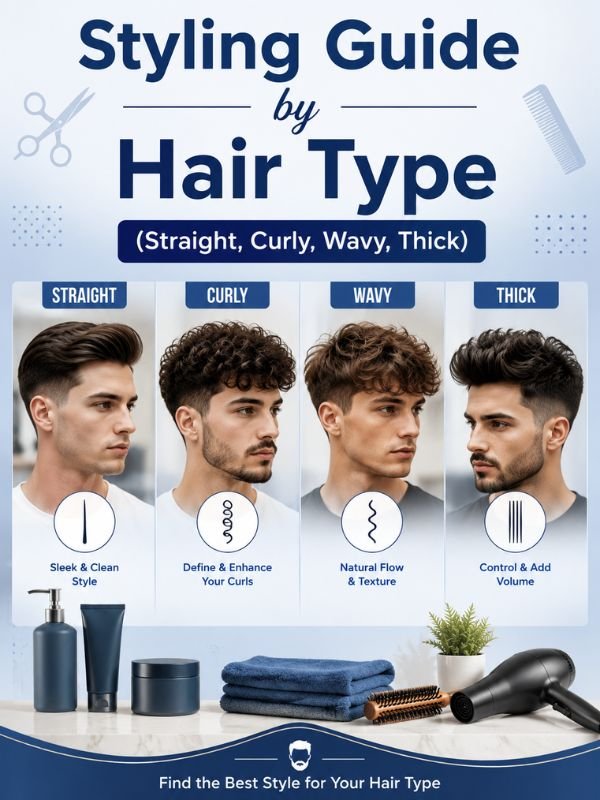
Straight hair needs a bit of product to hold shape, since it tends to fall flat fast. Work a small amount of matte paste through damp hair and push the fringe up and forward.
Curly hair styles best with a lightweight curl cream applied while your hair is still wet. Scrunch upward gently and let it air dry for the most natural, defined result.
Wavy hair barely needs anything at all. A spritz of sea salt spray and a quick tousle with your fingers usually does the job in under a minute.
Thick hair benefits from a lighter touch with product so it doesn’t get weighed down. A pea sized amount of matte clay, worked from mid lengths to ends, keeps things textured instead of clumpy.
Best Styling Products (Matte Clay, Sea Salt Spray, Powder)
Matte clay is your go to for structure and hold without shine. It’s ideal for the choppy, textured top that most crop mullet versions rely on.
Sea salt spray brings out natural texture and works wonders on wavy or curly hair types looking for that lived in finish. Spray it onto damp hair before you let it air dry or diffuse it.
Texturizing powder adds volume at the roots for guys with fine or thin hair. A light dusting at the crown before styling gives the illusion of extra density.
Maintenance & Care Tips
This cut isn’t set it and forget it, but it’s not high maintenance either. A trim every three to four weeks keeps the fringe and sides sharp, especially if you’ve got a fade involved.
Wash your hair with a gentle shampoo two to three times a week rather than daily. Overwashing strips natural oils that actually help with texture and manageability, especially for curly or wavy hair types.
Regular trims matter more than most guys realize. Letting the back grow unevenly, or letting the fade grow out completely before your next visit, makes the whole cut look messy rather than intentionally styled.
5 Common Mistakes to Avoid
Even a great cut can go sideways with the wrong choices. Here are the mistakes barbers see most often.
Making the Back Too Long Too Fast
Patience matters here. Growing the back out too quickly between trims leads to an uneven, mullet gone wrong look rather than the intentional style you’re after.
Cutting the Sides Too High
Going in for an aggressive high fade before you’re ready can feel jarring, especially if you’re used to more length. Ease into higher fades gradually if you’re not sure.
Using Heavy Gels Instead of Matte Clay
Gels create shine and stiffness, which fights against the textured, natural look this cut is built around. Stick with matte products for a more authentic finish.
Ignoring Natural Hair Texture
Fighting your natural texture every day with heat tools or heavy products creates extra work and damage. Lean into what your hair naturally does instead.
Not Showing a Reference Photo
Words alone rarely capture the exact style you’re picturing. A reference photo bridges that gap and keeps everyone on the same page.
Is the French Crop Mullet Good for Daily Life & Work?
For most workplaces, yes, especially the tapered or low fade versions from this list. They read as intentional and groomed rather than rebellious, which matters in more traditional office settings.
If your job leans creative, whether that’s in media, hospitality, fashion, or anything client facing in a modern industry, the bolder versions like the burst fade or undercut variation can actually work in your favor. It shows personality without looking unkempt.
Daily upkeep is minimal too. Most guys spend under five minutes styling this cut each morning, making it genuinely practical for busy schedules, not just a weekend look.
FAQs About French Crop Mullet
Is a French crop mullet hard to maintain?
Not really. Trims every three to four weeks and a bit of daily product is all it typically needs.
Can I get a French crop mullet with fine hair?
Yes. Texturizing powder and shorter layers help create the illusion of extra volume and density.
How long does it take to grow the back section out?
Usually two to four months, depending on your natural hair growth rate and how long you want it.
Does this cut work for curly hair types?
Absolutely. Curly hair actually adds natural texture that suits this style especially well.
What’s the difference between a crop and a crop mullet?
A standard crop stays short all around. A crop mullet adds extra length at the back for contrast.
Final Thoughts
The French crop mullet haircut earns its spot as one of the standout styles of 2026 because it genuinely works with almost any hair type, face shape, and lifestyle. Whether you go bold with an undercut and burst fade, or keep it subtle with a low taper, there’s a version here that fits.
Bring a reference photo, talk through your fade preference, and be upfront about how much length you actually want at the back. Do that, and your next barbershop visit should land you exactly the cut you were picturing.