
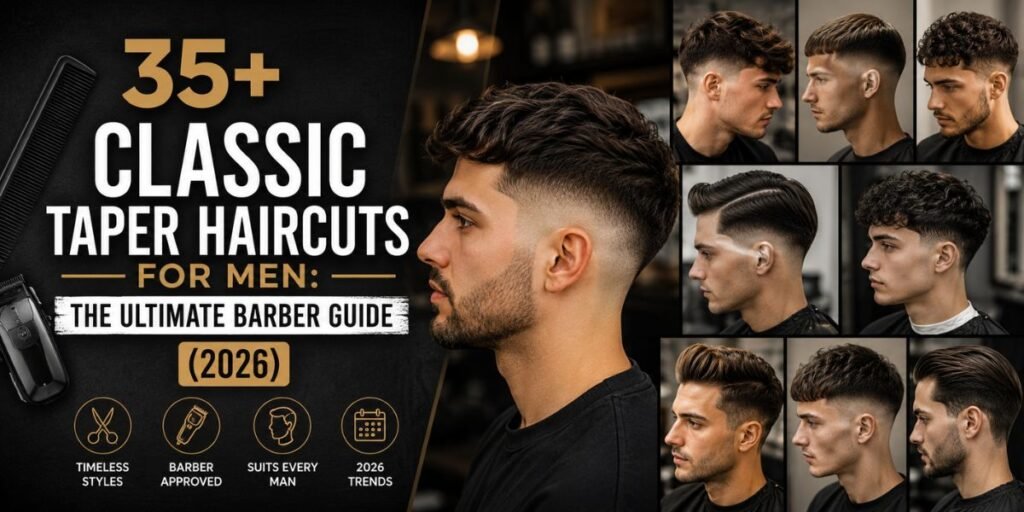
Walking into a barbershop without knowing what to say is rough. You sit in the chair, the clippers buzz, and someone asks “what are we doing today?” If you’ve ever frozen up at that question, this guide fixes that for good.
A classic taper haircut is the answer to almost every “what haircut should I get” worry a guy has. It’s clean, it’s sharp, and it works for job interviews, first dates, and everyday Tuesdays alike. By the end of this guide, you’ll know exactly what to ask for and why it’ll look great on you.
We’re covering everything here. Face shapes, hair types, styling products, barber scripts, and more than 35 real style options. Think of this as the one bookmark you need before your next haircut. Let’s get into it.
What Is a Classic Taper Haircut?
A classic taper haircut keeps hair short around the ears and neckline while gradually getting longer as it moves up the head. There’s no harsh line, just a smooth, gradual hair transition from skin to length. It’s the haircut your grandfather probably wore, and it still looks just as good today.
People often confuse a taper with a buzz cut or a fade, but they’re not the same thing. A taper is about that soft blend, not a dramatic drop in length. This is exactly why barbers call it the safest, most timeless men hairstyle in the book.
What makes it “classic” is the restraint. No flashy designs, no shaved patterns, just a clean haircut that respects proportion. It’s a haircut built on structure, not trend. That’s also why it rarely needs explaining twice to your barber once you know the terms.
Understanding the “Classic” Definition & Aesthetic
“Classic” here means balanced, neat, and low key rather than boring. Think sharp haircut style with soft edges, not a buzzed, aggressive look. The top usually stays long enough to comb or style, while the sides fade down smoothly.
This aesthetic leans on symmetry and clean lines around the ears and neckline. It’s the kind of cut that photographs well from any angle. No wonder it’s survived decades of changing hair trends without losing relevance.
Classic Taper vs. Regular Taper: Is There a Difference?
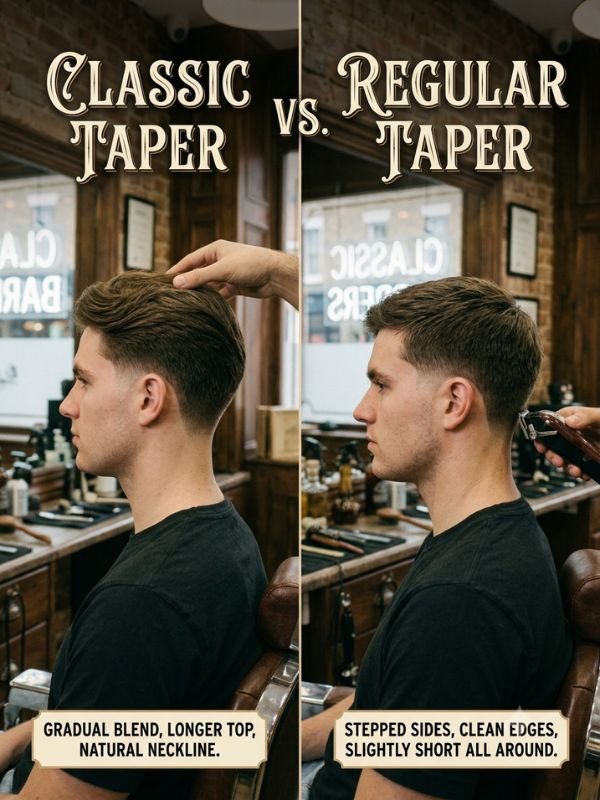
Honestly, these two terms get used interchangeably by most barbers. A regular taper haircut and a classic taper haircut usually describe the same blending technique. The word “classic” just signals a more traditional finish, like a side part instead of a spiky top.
If you want something more current, ask for a “modern taper.” If you want tradition, say “classic.” Your barber will know the difference immediately. It’s a small wording change that saves a lot of back and forth in the chair.
Taper vs. Fade vs. Taper Fade: Key Differences Explained
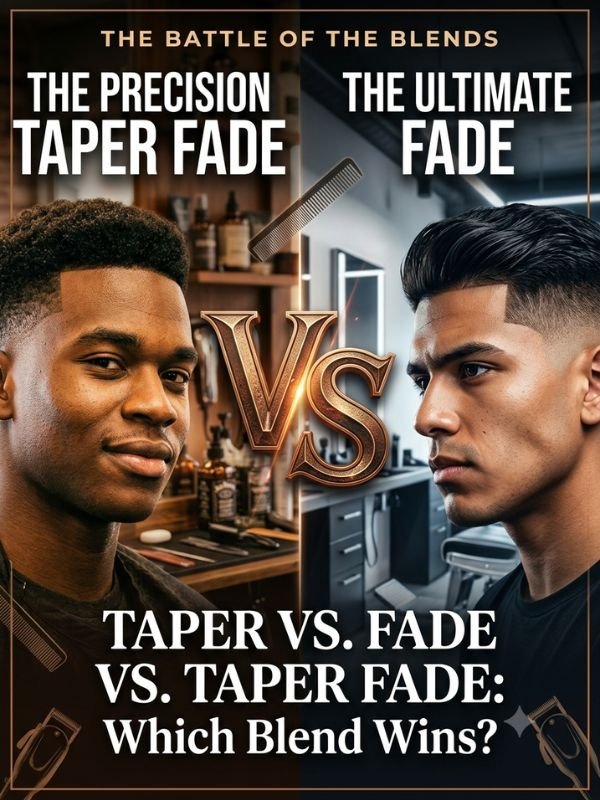
This is where most guys get confused, so let’s clear it up fast. A taper fades gradually and never goes fully down to skin. A fade can go all the way to bald fade haircut territory, showing bare skin near the bottom.
A taper fade haircut blends both ideas. It tapers naturally but includes a tighter fade section near the hairline. Think of taper as the technique and fade as the intensity level. Knowing this difference between taper and fade means you’ll never leave the chair disappointed again.
The 100-Year History: Why This Style Never Goes Out of Fashion
Believe it or not, this haircut dates back over a century, worn by soldiers, businessmen, and everyday workers. It became a symbol of discipline and neatness long before “grooming trends” were even a phrase. Every decade adds its own twist, but the bones of the cut never really change.
That’s the secret to its staying power. It adapts to textured tops, beards, and slick backs without losing its identity. You could show a 1950s photo and a 2026 photo side by side, and the core haircut still matches. Few style choices age this well.
35+ Best Classic Taper Haircut Styles for Men
Here’s where things get fun. There are dozens of ways to wear a classic taper haircut, and no two guys need to look the same. Your face shape, hair texture, and lifestyle all play a part in picking the right one. Below, we’re breaking down the most requested classic taper hairstyles barbers see walk through their doors.
Whether you want something low maintenance or a bit more detailed, there’s a version here for you. We’ll also touch on beard pairings and skin tone considerations as we go. Grab a coffee, this section is packed.
Low Taper
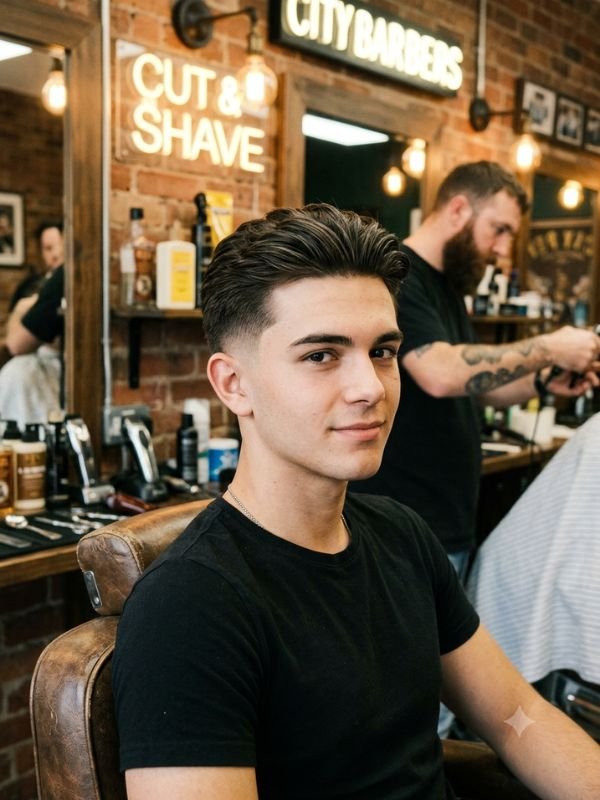
The low taper haircut keeps the fade close to the ears and neckline only. Most of the head stays natural length, making it the safest option for offices and formal settings. It’s subtle enough that even conservative workplaces rarely raise an eyebrow.
This is a favorite for guys who want a groomed look without anything flashy. It pairs beautifully with a classic taper comb over or a simple side part. If you’re new to tapers altogether, start here.
Mid Taper (Medium Taper)
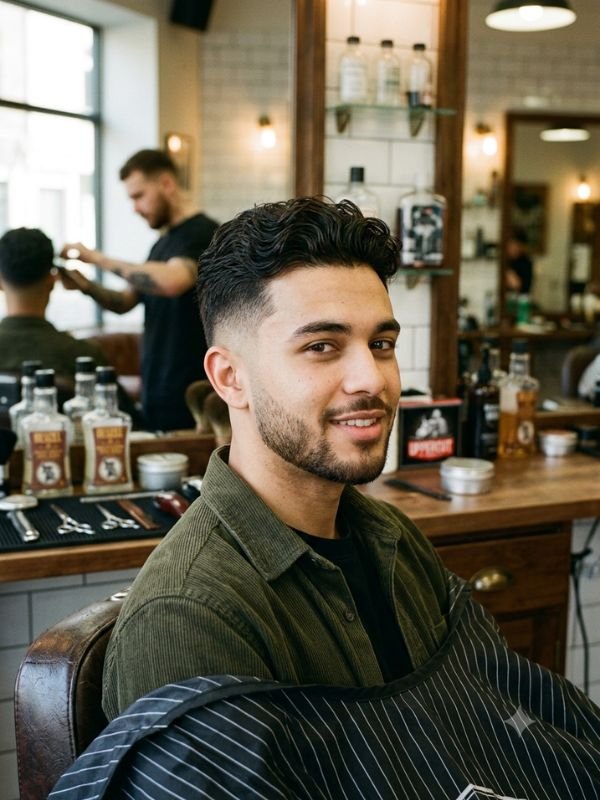
A mid taper haircut brings the fade line up to around the temple area. It shows a bit more contrast between the sides and the top, giving a sharper, more defined silhouette. This is probably the most popular version among younger professionals right now.
It works with almost every hair type and adds just enough edge without going overboard. Pair it with a classic taper quiff or texture on top for extra personality. Balanced, versatile, and easy to maintain, it checks every box.
High Taper
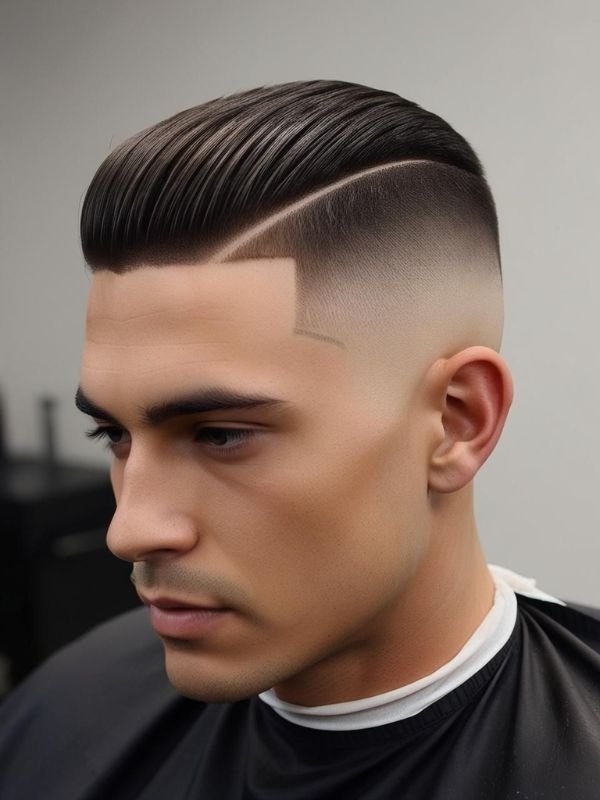
The high taper haircut pushes the fade further up, closer to the crown. This creates a bolder, more dramatic look with stronger contrast between short and long sections. It’s popular among guys who want their haircut to make more of a statement.
Because more skin or shorter hair shows, this style needs more frequent barber visits to stay sharp. It pairs well with a skin taper haircut finish for guys who like extra precision. Just know it demands upkeep if you want it looking fresh.
Short vs. Long Variations
You can wear a taper with a short hair classic taper on top for a tidy, low fuss look. Or go with a medium length classic taper for more styling flexibility and volume. Both variations use the same fading technique, just different top lengths.
Shorter tops suit guys who hate spending time in front of a mirror each morning. Longer tops give you room to experiment with quiffs, pompadours, or a slick back. Either way, the sides stay clean and blended.
Classic Taper Fade
The classic taper fade combines a traditional taper with a slightly crisper fade near the hairline. It’s a hybrid look, giving you the neatness of a taper with a touch more definition. This has become the go to request for guys who want “clean but not boring.”
You’ll see this style requested with words like sharp, tight, or clean around the edges. It photographs well and holds its shape for a solid two to three weeks. A great middle ground if you can’t decide between subtle and bold.
Classic Taper with Medium Top
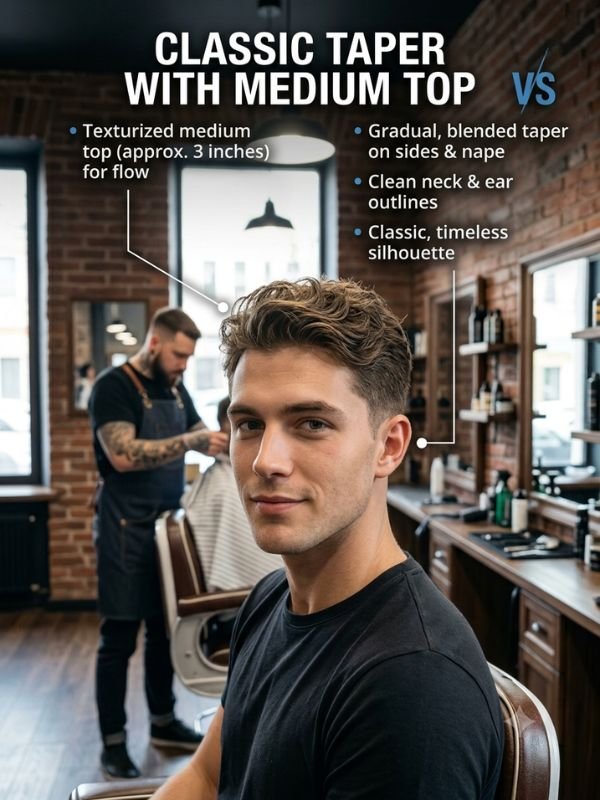
Here, the top length sits comfortably between short and long, giving natural movement without overwhelming volume. It’s easy to style with just your fingers and a bit of product on busy mornings. This version suits guys with straight or slightly wavy hair best.
You get texture without commitment to daily styling routines. It also grows out gracefully, meaning fewer emergency barber runs. A practical pick for guys juggling work and everyday life.
Classic Taper with Side Part
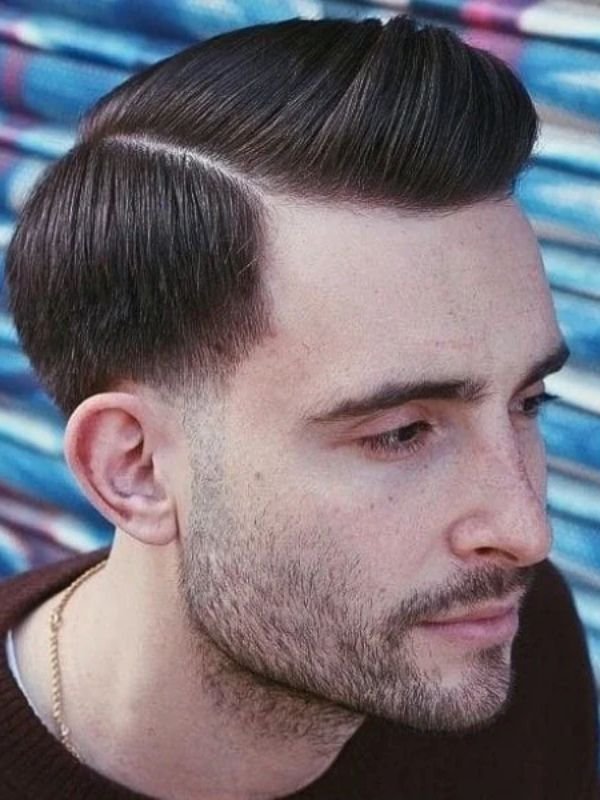
The classic taper with side part is about as timeless as haircuts get. A crisp line divides the hair, giving an instantly polished, put together appearance. This is the go to for weddings, interviews, and formal events.
It works exceptionally well with straight or fine hair since the part holds cleanly. Add a touch of pomade for shine or matte paste for a more natural finish. Either way, it screams effortless sophistication.
Classic Taper with Textured Top
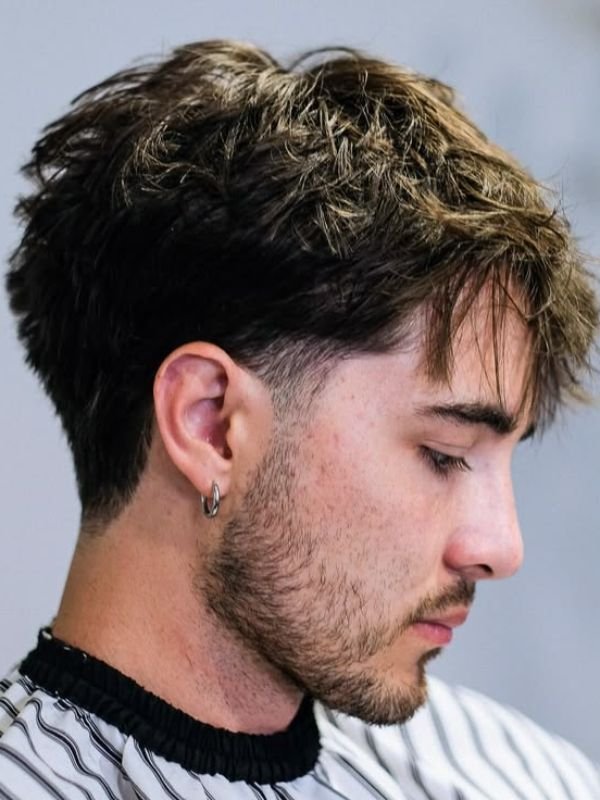
Texture adds movement and a slightly undone, natural vibe to the cut. A classic taper textured top uses scissor work or texturizing shears to break up straight lines. It suits guys who want something a little more relaxed than a slicked back look.
This style pairs beautifully with curly or wavy hair types especially. It also hides thinning spots better than sleek, flat styles do. Low effort, high reward, honestly.
Classic Taper with Beard
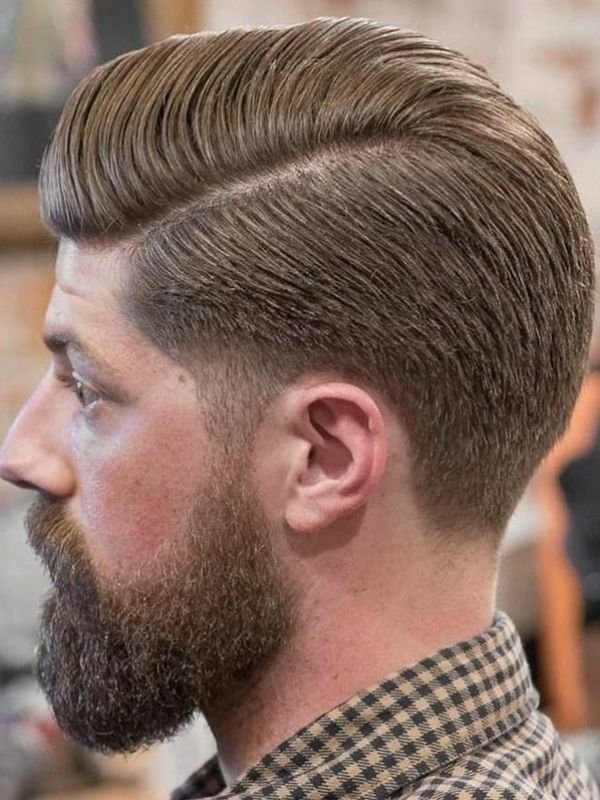
Pairing a taper with a well groomed beard creates one cohesive, masculine frame for your face. The classic taper business haircut often gets requested alongside beard trims for this exact reason. Symmetry between your hairline and beard line makes the whole look feel intentional.
Ask your barber to blend the sideburns directly into the beard for a seamless transition. This avoids that awkward gap some guys end up with after a rushed trim. It’s a small detail, but it makes a noticeable difference.
Best Taper Styles for Black Men
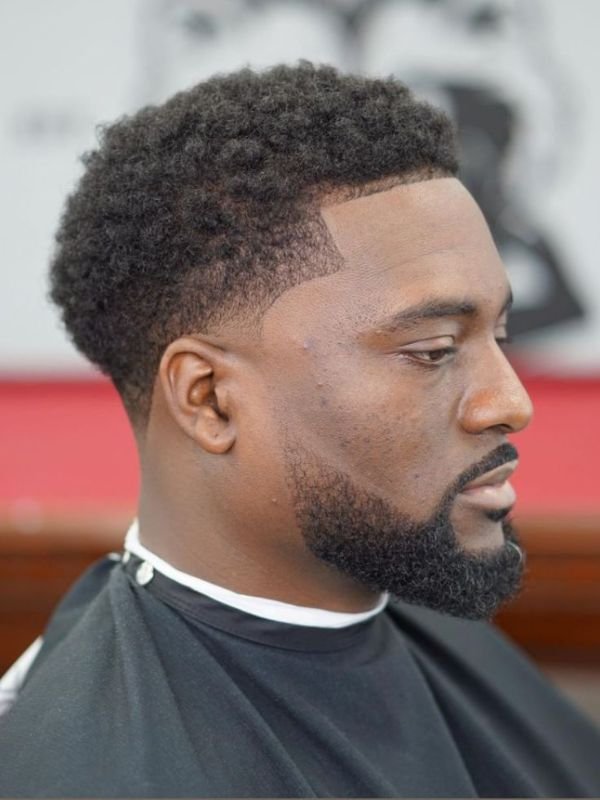
Textured and coily hair holds tapers beautifully, especially with sharp, defined edges. A skin taper haircut with a crisp hairline works exceptionally well here, along with waves on top for added dimension. Barbers specializing in textured hair can also add subtle designs near the temple for extra flair.
Curl sponges and wave brushes help maintain definition between visits. This style holds its shape remarkably well thanks to the natural coil pattern. It’s one of the sharpest looking options on this entire list.
Modern & Edgy Variations
Want something with a bit more personality? Try a classic taper pompadour for height and volume up top. Or go bold with a classic taper ivy league, a shorter, tapered take on the traditional Ivy League cut. Both keep the timeless base while adding a fresher, more current twist.
These variations suit guys who want to stand out slightly without abandoning the classic foundation. They still fall under the modern classic hairstyle umbrella, so nothing feels out of place. Perfect if you’re bored of the same old look but not ready for anything drastic.
How to Choose the Right Taper for Your Face Shape
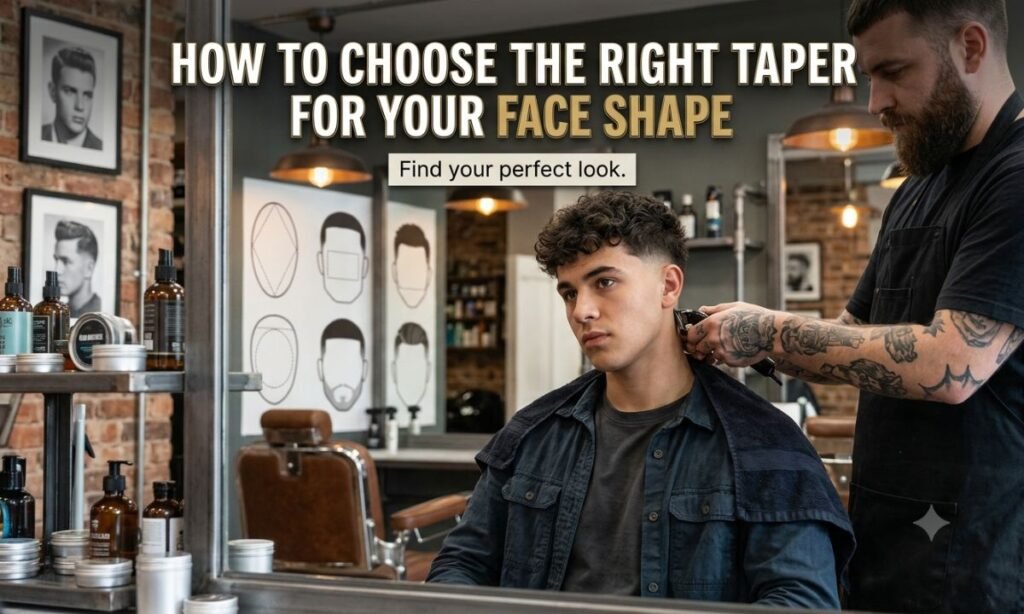
Not every taper flatters every face, and that’s completely normal. Choosing based on your face shape takes the guesswork out of the equation entirely. Here’s a breakdown to help you pick smarter, not harder.
Knowing this before your appointment saves you from a haircut you’ll regret for weeks. Print this section, screenshot it, whatever works. Just bring it with you. Your barber will thank you for the clarity.
Round Face
Guys with round faces should aim for more height on top to elongate the face visually. A high taper haircut with volume works wonders here, cutting down on width perception. Avoid anything too flat or wide across the sides.
Side parts and textured tops also help break up roundness nicely. Steer clear of full, rounded fringes that add more circle shape to your face. Height is your best friend in this category.
Square Face
Square faces are naturally strong, so tapers with soft, textured tops balance sharp jawlines beautifully. A mid taper haircut with a slight fringe softens the angles without hiding them. This face shape honestly suits almost every taper variation with ease.
Avoid overly boxy, blunt cuts that emphasize the jaw even more. Textured, slightly messy tops add just enough contrast. Lucky you if this is your face shape, options are wide open here.
Oval Face
Oval faces are the most versatile of the bunch, suiting nearly every classic taper hairstyle out there. There’s very little you can get wrong here, honestly. Side parts, quiffs, textured tops, all of it works.
If you have an oval face, focus more on your lifestyle and hair type than the shape itself. That’s genuinely the biggest deciding factor for you. Consider yourself lucky in the haircut department.
Diamond & Heart-Shaped Face
Diamond and heart shaped faces benefit from tapers that add width near the jaw and forehead. A classic taper with side part balances a narrower chin nicely. Avoid styles that add extra height, since that can exaggerate a pointed chin further.
Soft fringes or slightly longer sides help create better facial balance. Keep the top manageable rather than dramatically tall. Small adjustments here make a noticeable visual difference.
Oblong / Long Face
Longer faces benefit from tapers that add width rather than height. Keep the top shorter and add volume on the sides instead of straight up. A low taper haircut with a fuller fringe helps shorten the face’s visual length.
Avoid tall pompadours or quiffs, since they stretch the face even further. Fringes and side volume are your secret weapons here. Small tweaks, big visual payoff.
Classic Taper Haircut for Every Hair Type
Hair type changes how a taper looks and behaves, plain and simple. What works beautifully on straight hair might frustrate someone with thick, curly strands. Let’s match the cut to your natural texture.
Understanding your hair type before your appointment helps your barber choose the right tools and technique. It also sets realistic expectations for daily styling time. No more guessing games at the sink each morning.
Straight Hair
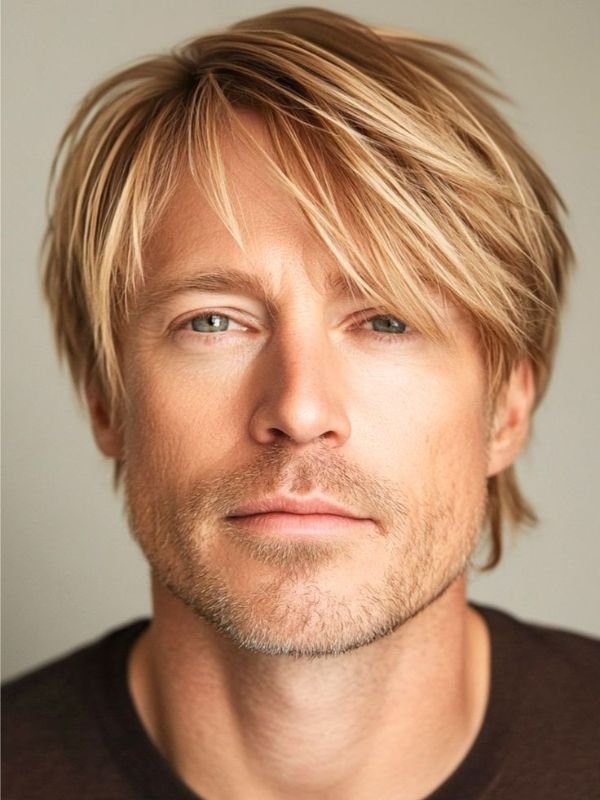
Straight hair holds sharp lines beautifully, making it perfect for a classic taper comb over or side part. It also styles quickly since there’s minimal frizz or flyaways to fight. A little pomade goes a long way here.
The downside is straight hair can look flat without some added texture. Ask your barber for slight point cutting on top to add movement. Small trick, noticeable difference.
Wavy Hair
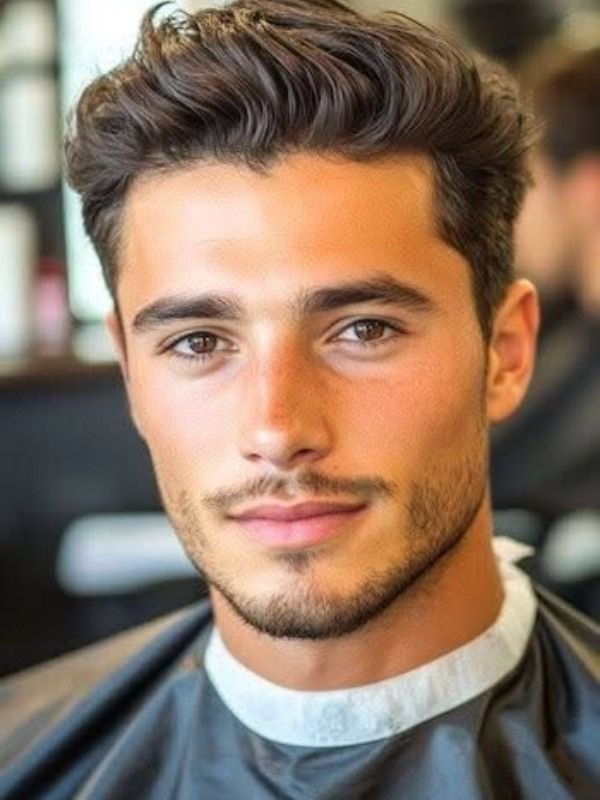
Wavy hair naturally adds texture and dimension to a classic taper haircut without much effort. It suits a classic taper textured top especially well, since the natural wave does half the styling work. Guys with wavy hair often need less product than they think.
A light matte paste enhances the wave pattern without weighing it down. Avoid heavy pomades, since they can flatten natural texture. Work with what nature gave you here.
Curly & Textured Hair
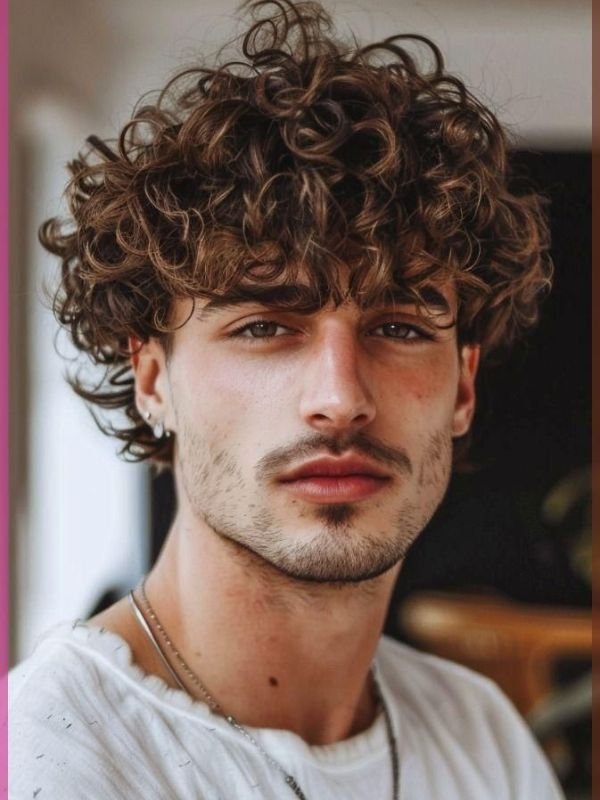
Curly hair thrives with a curly taper haircut approach, keeping curls intact on top while sides stay tapered short. This creates a striking contrast between tight sides and bouncy volume up top. Definition creams work better here than traditional pomades.
Ask your barber about curl specific cutting techniques for the cleanest results. Regular trims prevent curls from looking unkempt or overly bulky. This texture genuinely looks incredible with the right maintenance routine.
Thick vs. Fine / Thinning Hair
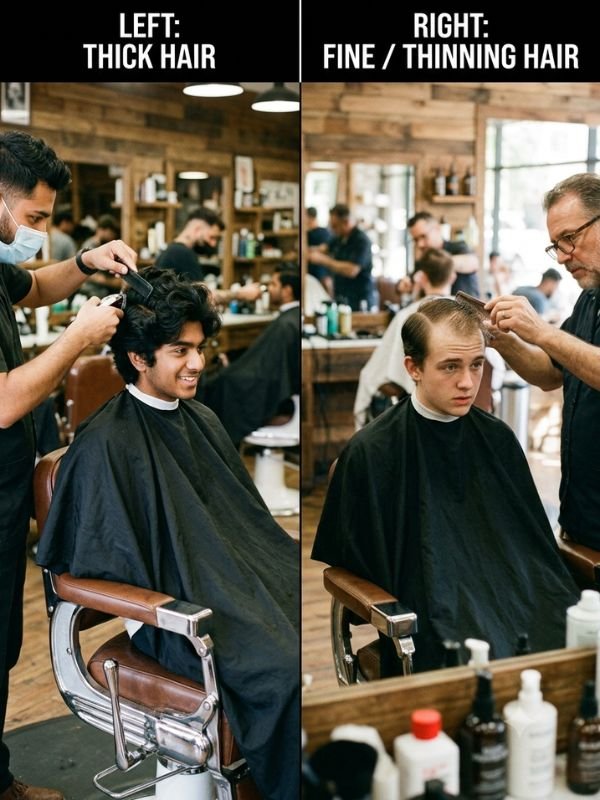
Thick hair taper style options benefit from added texturizing to reduce bulk on top. This keeps the cut manageable instead of looking heavy or overwhelming. Thinning shears are your barber’s best tool here.
Fine or thinning hair, on the other hand, benefits from shorter lengths that create the illusion of density. A tighter taper draws attention away from thinning areas near the crown. Confidence starts with picking a cut that works with your hair, not against it.
The Professional Man’s Guide to the Business Classic Taper
Job interviews and boardrooms have their own unspoken dress code, and hair matters more than people admit. An executive taper haircut signals discipline before you even say a word. This section covers exactly how to nail that professional look.
Whether you’re climbing the corporate ladder or just want to look put together daily, this applies to you. A professional taper haircut doesn’t need to be boring, just intentional. Let’s break down the details.
Corporate vs. Business Casual Look
Corporate environments usually favor a low taper haircut with a clean side part, nothing flashy. Business casual settings give you slightly more room to add texture or a modern twist on top. Read the room before your appointment and communicate that context to your barber.
Banking, law, and finance typically lean conservative and traditional. Creative industries or startups allow more personality in your styling choices. Match your haircut to your industry’s unwritten expectations.
How to Style Your Taper for Job Interviews
Keep it simple the day of your interview. A gentleman taper haircut with minimal product looks intentional, not overdone. Avoid anything too shiny or heavily gelled, since it can read as trying too hard. A matte finish always feels more natural and approachable.
Get your haircut about three to five days before the interview, not the same day. This gives it time to settle and look less “fresh from the chair.” Small timing detail, big confidence boost.
Maintenance & Care: Keeping Your Taper Fresh
A great haircut fades fast if you don’t maintain it properly. This section covers taper haircut maintenance basics every guy should know. A little routine care goes a long way toward keeping things sharp between visits.
Nobody wants to walk around with a grown out, shapeless taper. Let’s talk timelines, comparisons, and simple at home fixes. Your future self will thank you.
How Long Does a Classic Taper Last?
Most tapers hold their shape well for two to three weeks before needing a touch up. Faster hair growth might mean visiting your barber every two weeks instead. Slower growth can stretch that window closer to four weeks comfortably.
Skin tapers and high tapers need more frequent visits than low tapers. The higher the fade, the faster it grows out and loses definition. Plan your barber visits around your specific style choice.
Maintenance Comparison Table (Taper vs. Other Cuts)
| Haircut Type | Maintenance Frequency | Styling Effort | Best For |
| Classic Taper | Every 2 to 3 weeks | Low to Medium | Everyday, professional settings |
| Skin Fade | Every 1 to 2 weeks | Medium | Bold, statement looks |
| Buzz Cut | Every 1 to 2 weeks | Very Low | Ultra low maintenance guys |
| Long Layers | Every 6 to 8 weeks | High | Guys who love styling |
This table shows why a low maintenance haircut for men conversation almost always lands on the taper. It balances upkeep and style better than most alternatives. Practical, reliable, and never really out of place.
DIY Line-Up & At-Home Care Tips Between Barber Visits
A simple trimmer helps clean up your neckline between visits without needing a full appointment. Focus only on the hairline and neck area, avoid touching the main taper zone yourself. This keeps things tidy without risking an uneven blend.
Washing with a gentle shampoo twice a week prevents product buildup near the scalp. A light trim of stray edges around the ears keeps things sharp too. Small maintenance habits stretch the time between professional visits noticeably.
How to Ask Your Barber for a Classic Taper
Communication makes or breaks a good haircut, every single time. This section is your cheat sheet for exactly how to ask barber for classic taper results you actually want. No more vague requests that lead to disappointment.
Bring reference photos if you can, even if it’s just for the top length. Words mean different things to different barbers, so visuals help close that gap. Let’s walk through the exact script.
Step-by-Step Barber Communication Guide
Start with the fade height. Say clearly whether you want low, mid, or high on the sides. Next, mention your guard number preference for the sides and back sections. Then describe your desired top length in simple terms, like “long enough to comb” or “short and textured.”
Mention any specific styles you’re after, like a classic taper slick back or side part. If you have a beard, ask for it to be blended into the haircut too. Confirm everything before the clippers even turn on, it saves everyone time.
Clipper Guard Reference Table (Numbers 1 to 4)
| Guard Number | Length in Inches | Best For |
| Guard 1 | 1/8 inch | Very short sides, skin tapers |
| Guard 2 | 1/4 inch | Low to mid tapers |
| Guard 3 | 3/8 inch | Mid taper blends |
| Guard 4 | 1/2 inch | Longer, subtle tapers |
Understanding taper haircut clipper numbers means you’ll never feel lost during your appointment again. Save this table on your phone before your next visit. It genuinely makes the whole conversation smoother.
How to Style a Classic Taper (Step-by-Step)
Styling doesn’t need to eat up your entire morning routine. This section breaks down how to style classic taper haircut looks in just a few simple steps. Consistency here matters more than complexity.
Once you find your product and technique, mornings become almost automatic. Let’s walk through the basics together. It’s easier than most guys assume.
Daily Styling Routine
Start with damp, towel dried hair rather than soaking wet strands. Apply a small amount of your chosen product evenly through your fingers first. Use a comb or your hands to shape the top toward your preferred direction.
For side parts, comb a clean line and brush the rest over smoothly. For textured looks, scrunch lightly with your fingers instead of combing flat. Let it air dry fully or finish with a quick blast of cool air from a dryer.
Best Hair Products by Finish (Matte, Shiny, Pomade, Wax)
Matte paste for men gives a natural, no shine finish that suits textured and casual looks. Pomade for classic taper styles delivers shine and strong hold, ideal for slick backs and side parts. Wax sits somewhere in between, offering moderate hold with a slight sheen.
Choose based on the finish you want, not just what’s popular online. Fine hair usually does better with lighter products to avoid weighing it down. Thick hair can handle stronger holds without looking greasy.
Celebrity Inspiration & Reference Looks
Sometimes the easiest way to explain a haircut is pointing to someone who wears it well. These reference looks give you a visual shortcut for your next barber conversation. Screenshot any of these and bring them along.
Celebrities often popularize small tweaks that later become full blown trends. Here are three worth knowing. Take inspiration, then adjust for your own face shape and hair type.
Low Taper Side Part (Ryan Gosling / George Clooney)
This look pairs a low taper haircut with a crisp, classic side part for timeless polish. It’s a favorite among older professionals and younger guys who want a mature, put together vibe. Minimal product, maximum impact.
Mid Taper Slick Back & Texture (David Beckham / Brad Pitt)
A mid taper haircut with a slicked back or textured top adds a bit more edge and personality. This style balances professional neatness with a touch of rugged charm. Great for guys who want something slightly bolder than the standard part.
Textured Matte Top (Chris Evans)
This reference look combines a taper with a textured classic taper haircut finish using matte product only. It’s relaxed, low effort, and still looks sharp from every angle. A solid choice for casual, everyday wear.
Classic Taper Haircut Trends for 2026
Barbers report growing demand for classic taper haircut ideas 2026 guys are bringing in from social media reels. The trend leans toward natural texture over heavy styling, and slightly higher fades than a few years back. Subtle skin tapers paired with beards are especially popular right now.
Expect more requests blending classic silhouettes with modern detailing like subtle line ups near the temple. This mix keeps the cut feeling fresh without abandoning its traditional roots. It’s proof this haircut keeps evolving without ever really changing.
Common Mistakes to Avoid With a Classic Taper
Going too long between appointments is the biggest mistake guys make with this cut. The blend grows out unevenly, and the neckline starts looking messy fast. Book your next appointment before you leave the chair to stay ahead of it.
Using too much product is another common slip up, leaving hair greasy instead of groomed. Start with a small amount and add more only if needed. Less is almost always more with styling products.
Frequently Asked Questions (FAQs)
Is a classic taper haircut good for thinning hair?
Yes, shorter tapers create the illusion of fuller, denser hair on top.
How often should I get a taper haircut?
Every two to three weeks keeps the blend looking sharp and fresh.
Can I do a classic taper at home?
Basic neckline touch ups are fine, but leave the full blend to a professional barber.
What’s the difference between a taper and a fade?
A taper never goes to bare skin, while a fade can go all the way down.
Does a classic taper suit curly hair?
Absolutely, curls hold shape beautifully with tight, tapered sides.
Conclusion
A classic taper haircut isn’t just a trend, it’s a foundation every guy can rely on. It flatters nearly every face shape, works with any hair type, and fits professional and casual settings alike. Bring this guide with you, use the exact terms, and walk out with a haircut you actually love.
Simple, sharp, and endlessly adaptable, that’s the real magic of the taper. Once you find your version of it, you’ll probably stick with it for years. Now go book that appointment.